|
Postcards from:
Big Bear Lake USA
San Jose Costa Rica
Granada Nicaragua
Managua Nicaragua
San Salvador ElSalvador
Tegucigalpa Honduras
San Pedro Sula Honduras
Copan Ruinas Honduras
La Ceiba Honduras
Utila Island Honduras
La Ceiba Honduras
San Pedro Sula Honduras
Belmopan Belize
Belize City Belize
Orange Walk Belize
Lamanai
Mayan Ruins
Panama City Panama
Bogata Colombia
Cali Colombia
Popayan Colombia
Ipiales Colombia
Quito Ecuador
Galapagos Is. Ecuador
Puerto Ayoro Galapagos
Guayaquil Ecuador
Cuenca Ecuador
Tumbes Peru
Lima Peru
Nazca Peru
Cuzco Peru
Ollantaytambo Peru
Machu Picchu Peru
Machu Picchu Photos
Cuzco Again
Lake Titicaca Peru
Lake Titicaca Photos
Copacabana Bolivia
La Paz Bolivia
Arica Chile
Iquique Chile
Antofagasta Chile
Santiago Chile 1
Valparaiso Chile
Santiago Chile 2
Easter Island Chile
Santiago Chile 3
Chillan Chile
Valdivia Chile
Puerto Montt Chile
Castro Chile
Chaiten Chile
Coyhaique Chile
Puerto Chacabuco Chile
Coyhaique Chile
Punta Arenas Chile
Puerto Natales Chile
Punta Arenas Chile
Puerto Williams Chile
Ushuaia Argentina
Buenos Aires Argentina
Puerto Iguazu Argentina
Montevideo Uruguay
Colonia Uraguay
Caracas Venezuela
Ciudad Bolivar Venezuela
Puerto Ordaz Venezuela
Porlamar Venezuela
PortOSpain Trinidad
Georgetown Guyana
Corriverton Guyana
Paramaribo Suriname
Cayenne French Guiana
Pointa A Pitre Guadaloupe
Gosier Guadeloupe
Dominican Republic
Miami Florida
Back Home in California
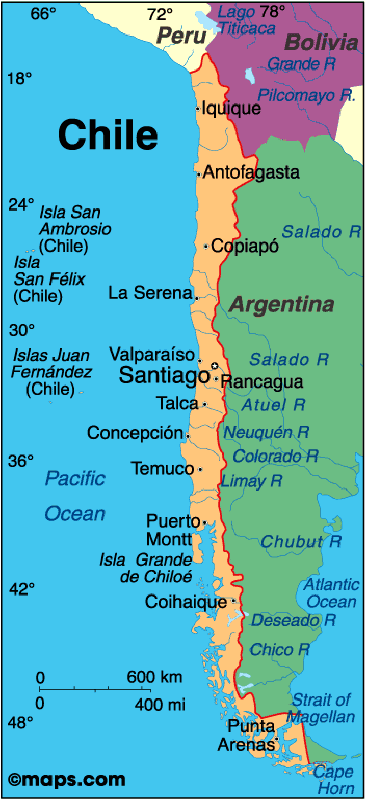
Orientation
Map of Chile.
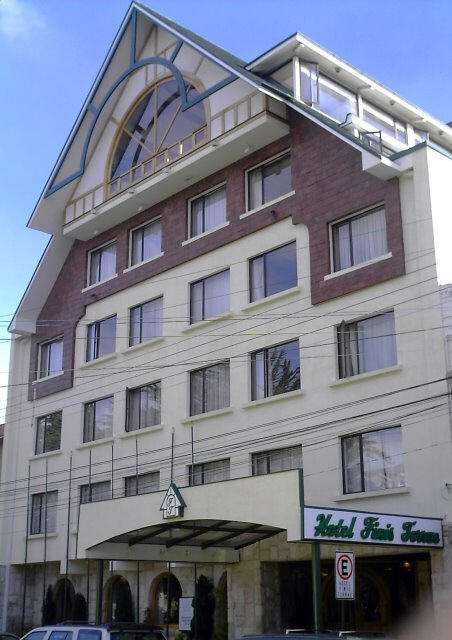
Punta Arenas Chile: Hotel Finis Terrae where I stayed three nights.
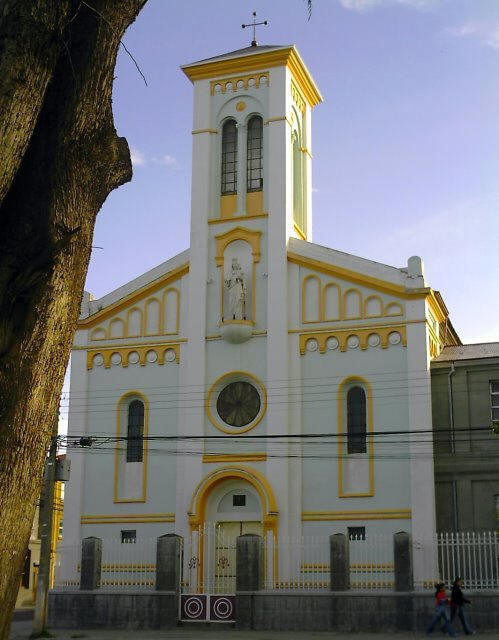
Punta Arenas Chile: This church stands across the street from the $95 Hotel
Finis Terrae where I stayed.
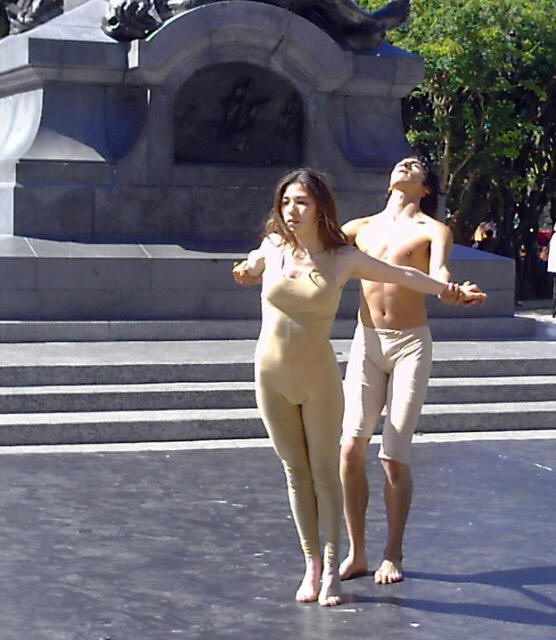
Punta Arenas Chile: A professional ballet performance is being presented
around the base of the central monument in the Plaza de Armas.
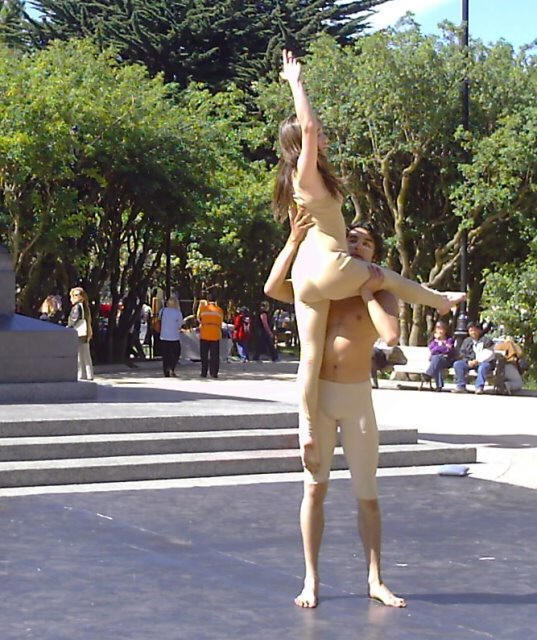
Punta Arenas Chile: A professional ballet performance is being presented
around the base of the central monument in the Plaza de Armas.
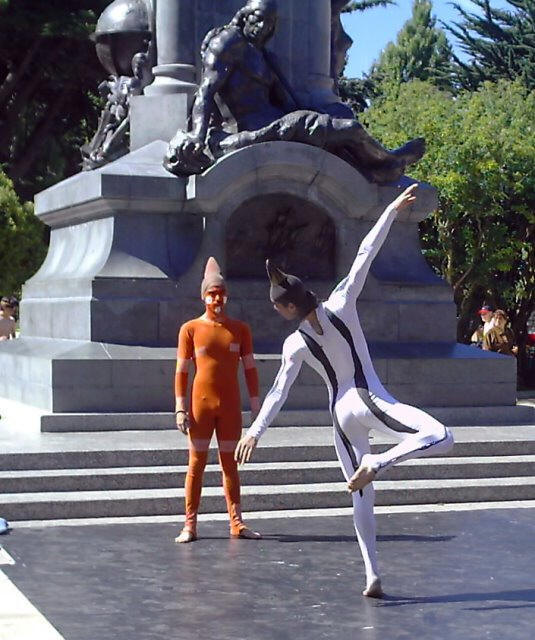
Punta Arenas Chile: A professional ballet performance is being presented
around the base of the central monument in the Plaza de Armas.
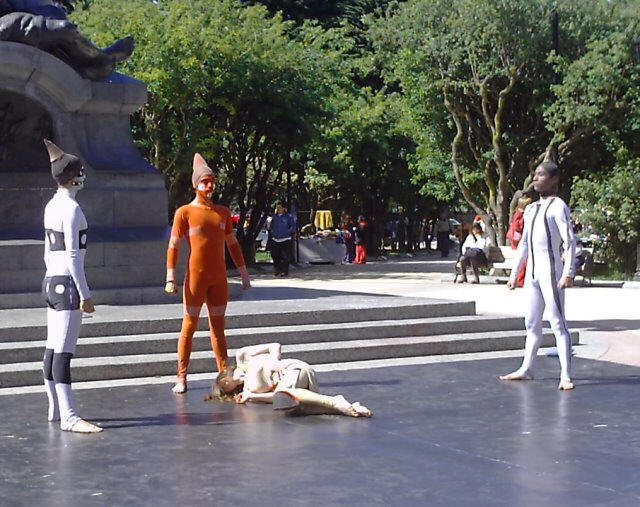
Punta Arenas Chile: A professional ballet performance is being presented
around the base of the central monument in the Plaza de Armas.
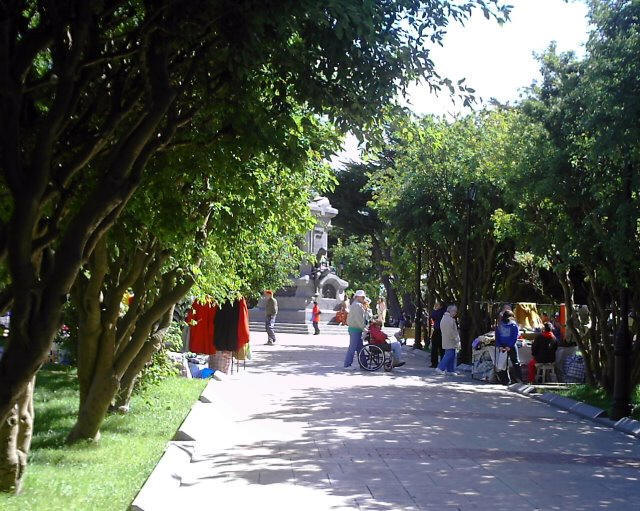
Punta Arenas Chile: One of the walkways through the Plaza de Armas park.
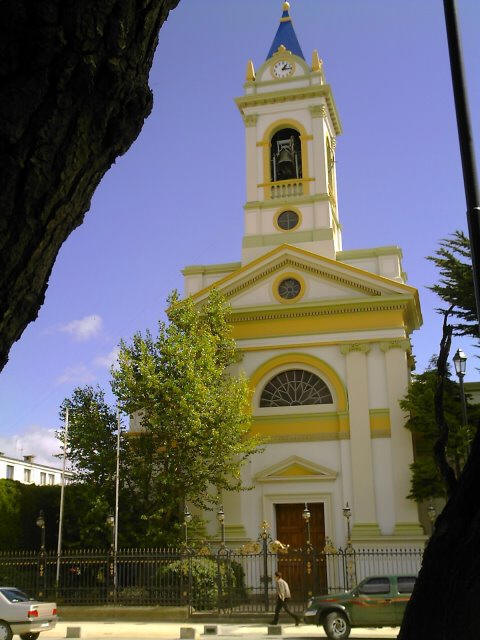
Punta Arenas Chile: The Cathedral sits on the west side of the Plaza de
Armas.
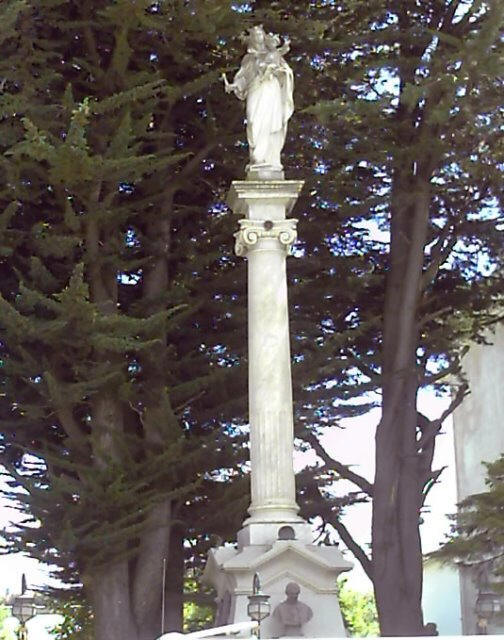
Punta Arenas Chile: This monument stands next to the Cathedral on the west
side of the Plaza de Armas.
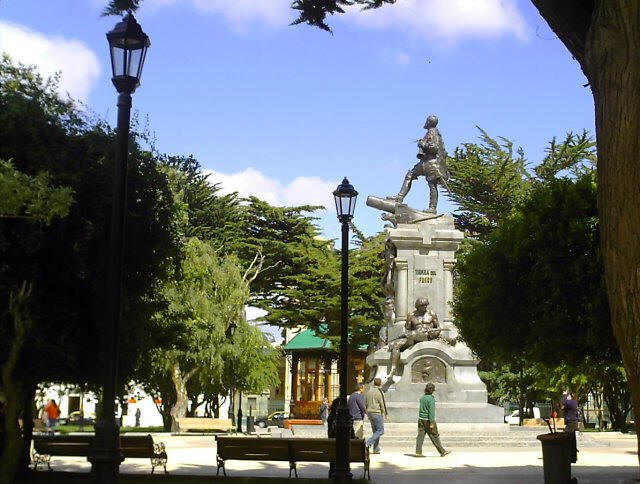
Punta Arenas Chile: Monument in the center of the Plaza de Armas.
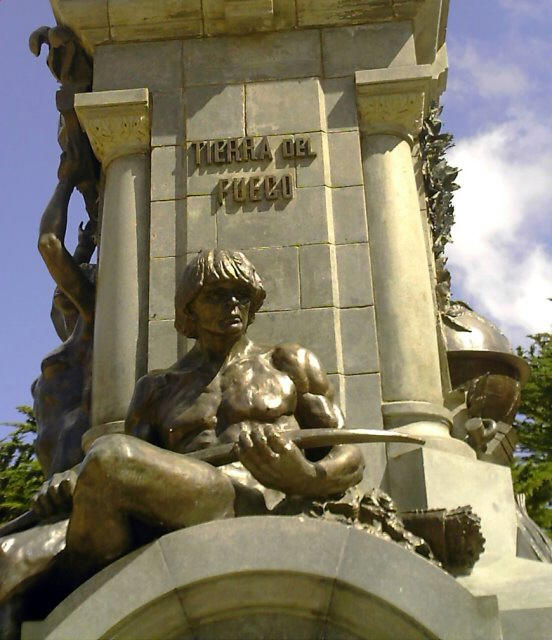
Punta Arenas Chile: Lower portion of the monument in the center of the Plaza
de Armas.
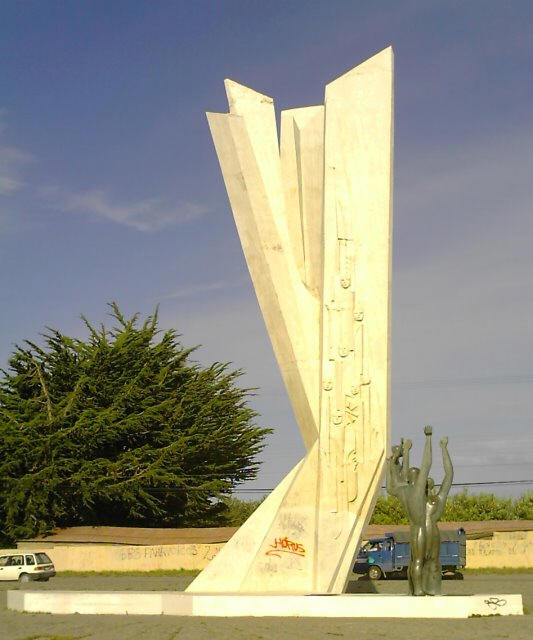
Punta Arenas Chile: Sculpture along the green parkway leading north out of
the city toward the cruise ship wharf and airport.
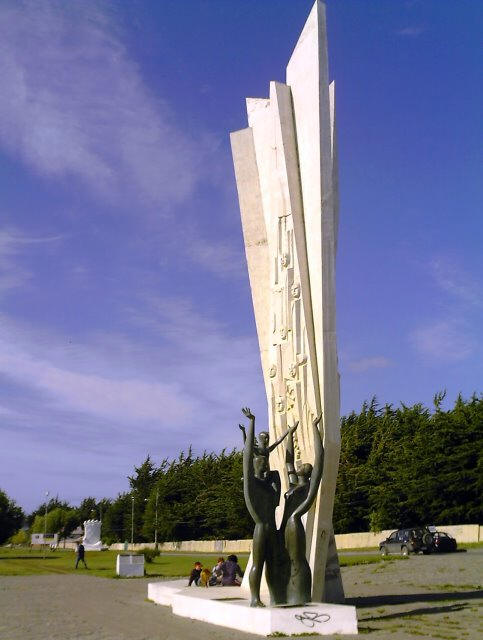
Punta Arenas Chile: Sculpture along the green parkway leading north out of
the city toward the cruise ship wharf and airport.
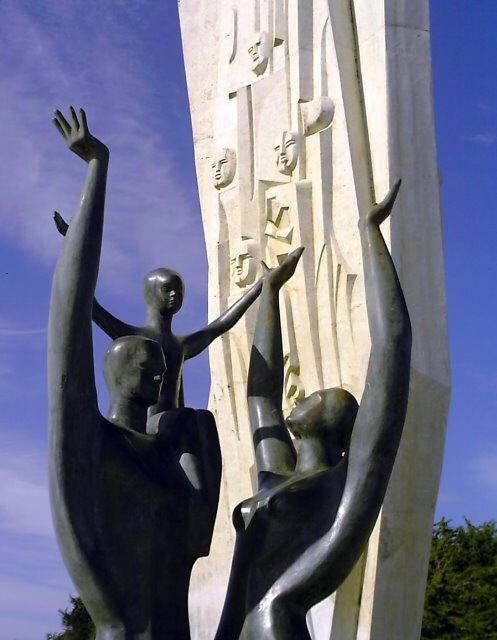
Punta Arenas Chile: Sculpture along the green parkway leading north out of
the city toward the cruise ship wharf and airport.
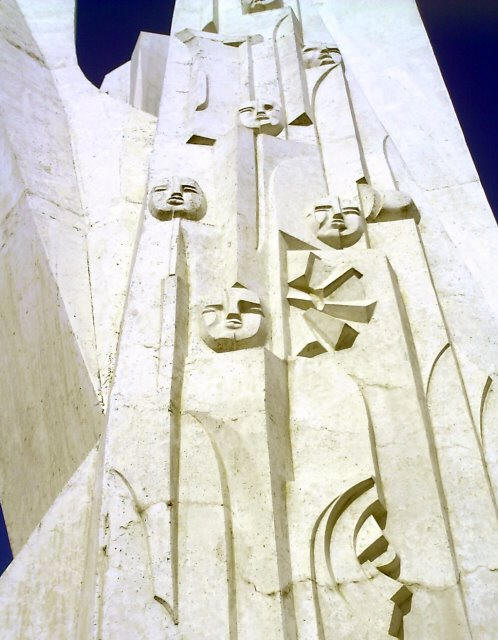
Punta Arenas Chile: Sculpture along the green parkway leading north out of
the city toward the cruise ship wharf and airport.
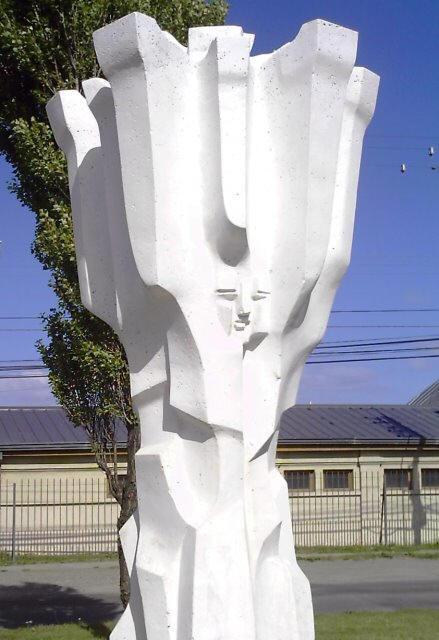
Punta Arenas Chile: Sculpture along the green parkway leading north out of
the city toward the cruise ship wharf and airport.
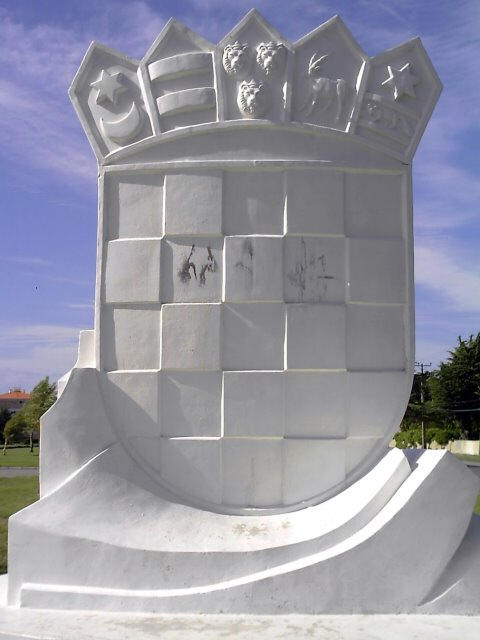
Punta Arenas Chile: Croacia Independence monument.
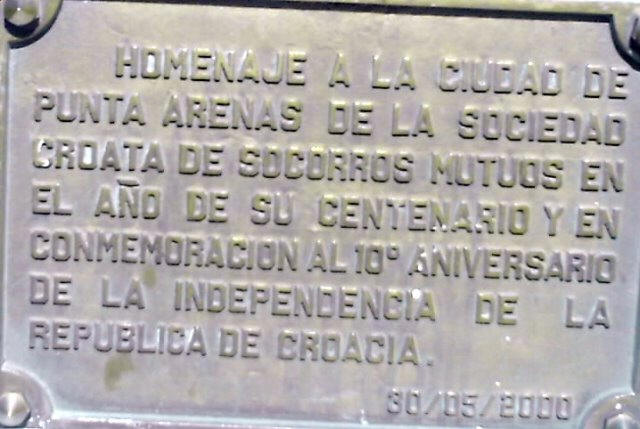
Punta Arenas Chile: Plaque under the Croacia Independence monument.
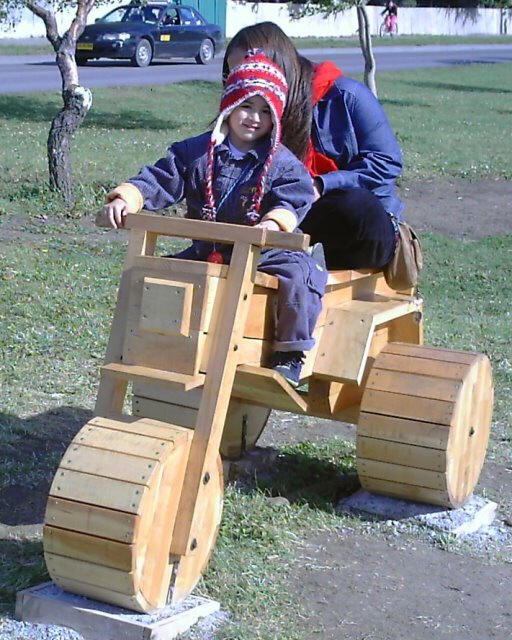
Punta Arenas Chile: One of the wooden crafted sculptures along the green
parkway leading north out of the city toward the cruise ship wharf and
airport.
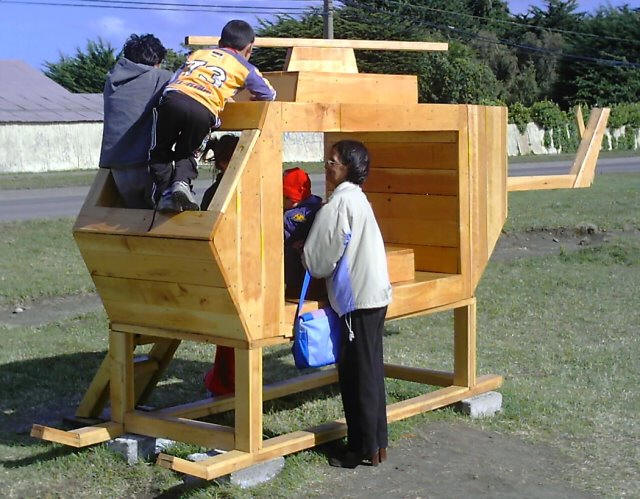
Punta Arenas Chile: One of the wooden crafted sculptures along the green
parkway leading north out of the city toward the cruise ship wharf and
airport.
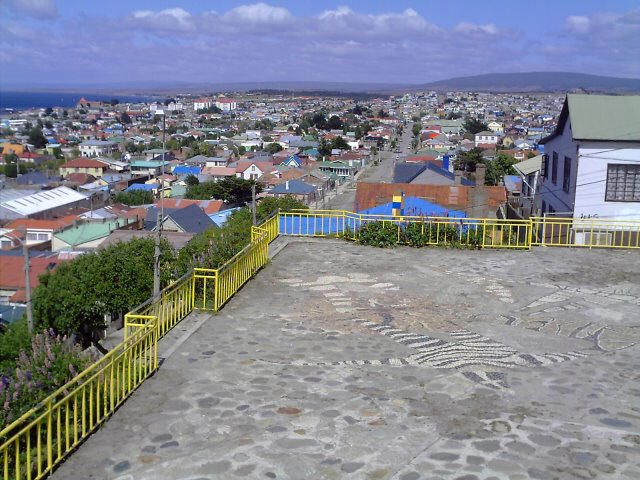
Punta Arenas Chile: Looking down on the city center area from a point on the
hill to the west of the Plaza de Armas.
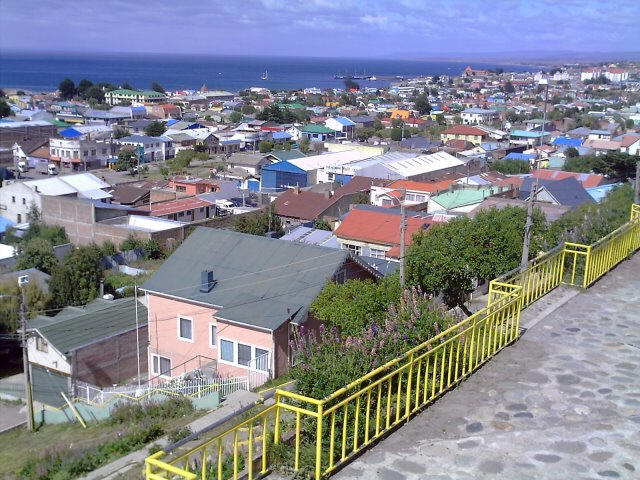
Punta Arenas Chile: Looking down on the city center area from a point on the
hill to the west of the Plaza de Armas.
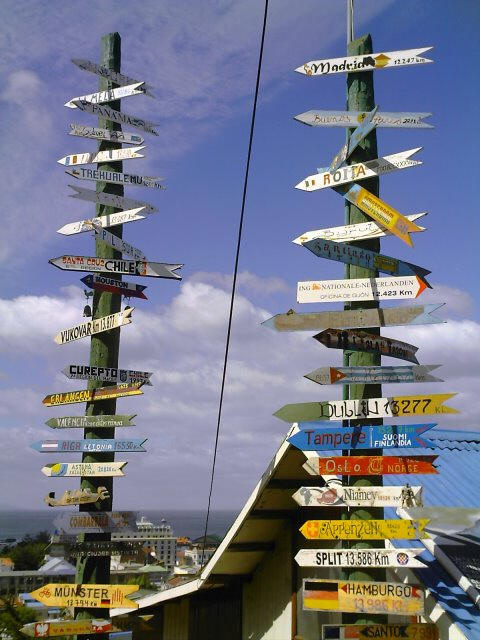
Punta Arenas Chile: Example of the colorful color schemes adopted by the
people of Chile.
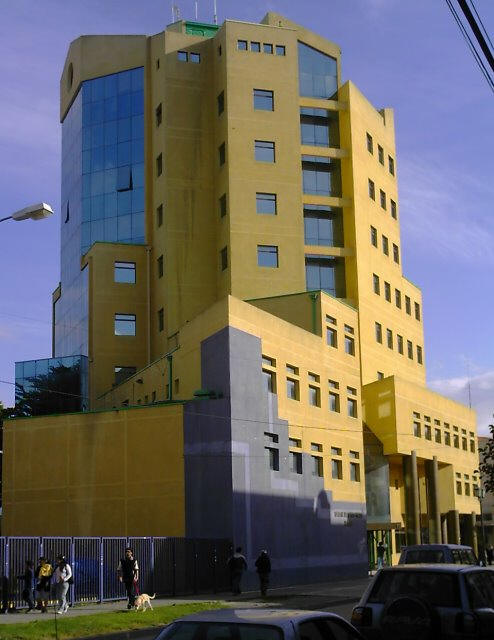
Punta Arenas Chile: Example of the colorful color schemes adopted by the
people of Chile.
|
  30
January 2006 30
January 2006
Hello from
Punta
Arenas Chile
The one hour
flight from Coyhaique gave passengers impressive views of the snow capped
Andes. Arriving in
Punta Arenas around 13:00, a waiting bus whizzed into
the city center dropping us near the beautifully landscaped Plaza de Armas.
The road entering the city from the airport is a wide divided parkway with
many sculptures erected in the green park-like median. It reminds me of
Jeddah in Saudi Arabia. Non-representational modern art is something I
appreciate and several of the sculptures definitely resembled nothing
found in nature. In Muslim Saudi Arabia one finds only
non-representational abstract art in compliance with the religious
dictates of the Qu'ran.
A long search
around the six by six town grid and I accepted the reality there are no
bargain hotels in this small, but modern remote city at this time of
year. Gusty winds were so brisk they made remaining erect with a bulky
backpack difficult. After checking a half dozen fully booked promising
houses I finally settled on the last available room in the
Hotel
Finis Terrae,
a $95 junior suite. January and February are the high tourist season
months in southern South America. The hotel favors old 1960's folk for
background music. I have twice now alluded to all my early hobo excursions
and the music I associate with them. Starting at about 11 years of age I
developed a passion for music, first country western and later folk. I
played the guitar and sang. Only on reaching late middle age and
respectability did I hang up my guitar and limit the singing to shower
stalls.
The big story
here in this part of South America is the
hole
in the ozone layer
with dangerously high
ultraviolet radiation
reaching exposed skin on the ground in these latitudes. One of my photos
shows a government warning sign with the red flag flying, designating very
high danger. Perhaps we should encourage those who doubt the reality of
the phenomenon to come down here to sun bath on the beaches. Every few
minutes I see people coughing; on the streets, in the cyber cafes and in
the hotel dining rooms. Some might be showing the effects of too much
smoking, though many people around here clearly have colds or the flu.
Fortunately the deadly bird flu hasn't arrived in this part of the world
yet and I remain healthy as ever.
There are no
beggars at all in this city! Given their presence in every other city I've
visited, I found that extraordinary. Of course loitering on a cold windy
street asking for handouts might be a less attractive money making option
than washing dishes in the back of some dingy, but warm cafe. Hanging out
on the street is still popular with teenagers, even when the weather is
miserable. To attract the attention of girls, many daredevil bicycle
riders race around the sidewalks dodging pedestrians with one near miss
after another.
Punta
Arenas is
an odd place. For one thing, people look like North Americans except for
the overly serious expressions on their faces; very few indigenous people
in the mix. Take a hundred people at random, transport them to Santa
Barbara and you could hardly tell the difference. Even the way people
dress is similar. This is a port town with a colorful
history,
but the usual nautical trappings are strangely absent from prominent
display anywhere in the city. The Plaza de Armas is nicely landscaped,
but does not seem like the focus of city life as in other South American
communities. However, one day I witnessed a ballet performance at the base
of the central monument dedicated to
Tierra del Fuego.
It surprised me to see such professional work in a park so far from any
real center of culture. I always assumed the Land of Fire
referred to the existence of volcanoes in the area. The actual story is
more prosaic: early mariners first knew the land by the many fires they
could see along the shores as they sailed by and thus the origin of the
name. Long walks everyday gave me a good overview of the city. One of the
highlights surprisingly turned out to be the city
cemetery.
It is remarkable for its size, all the elaborate Mausoleums and the
strangely sculptured trees extensively used in the landscaping.
Peace
Fred L
Bellomy

Punta Arenas Chile: View of the Andes Mountains from the plane.
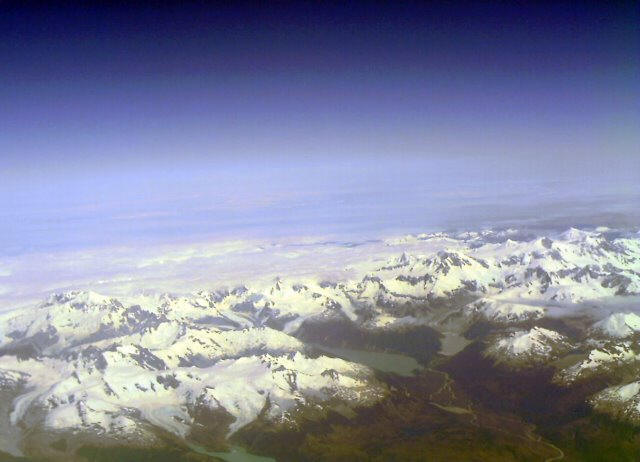
Punta Arenas Chile: View of the Andes Mountains from the plane.
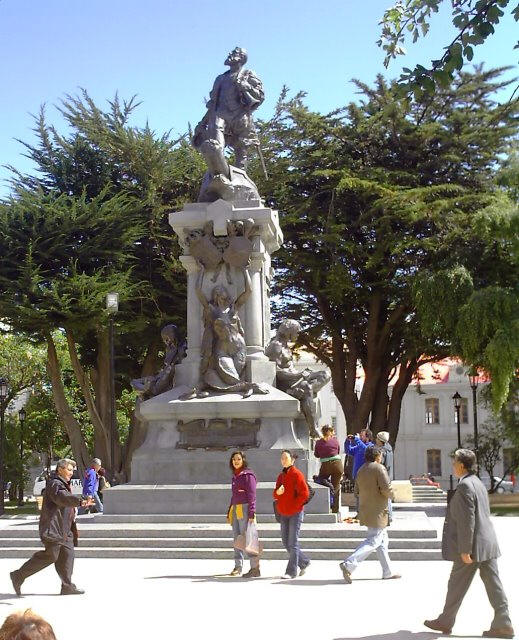
Punta Arenas Chile: Monument in the center of the Plaza de Armas.
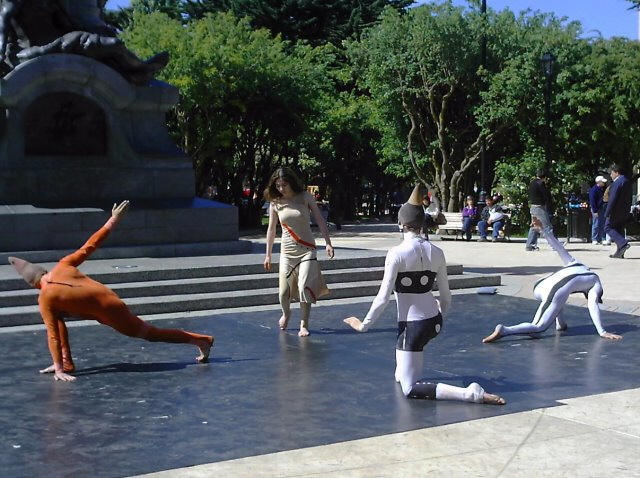
Punta Arenas Chile: A professional ballet performance is being presented
around the base of the central monument in the Plaza de Armas.
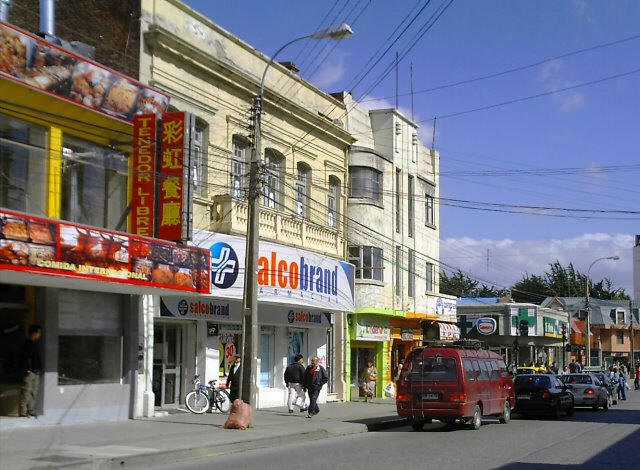
Punta Arenas Chile: One of the shopping streets near the Plaza de Armas.
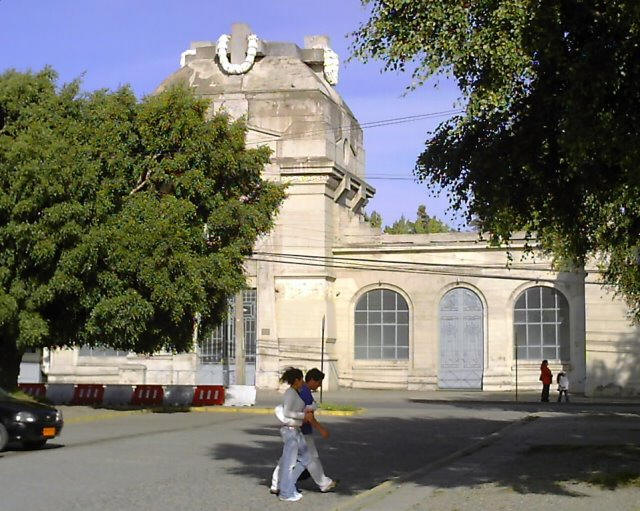
Punta Arenas Chile: Entrance to the extraordinary cemetery.
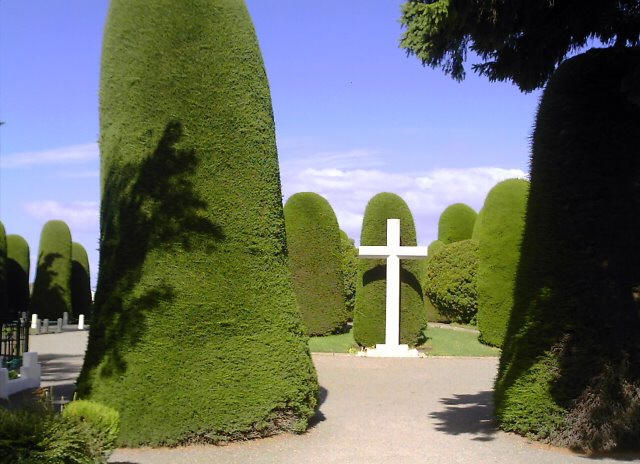
Punta Arenas Chile: This is the first thing a visitor sees upon entering the
city's extraordinary cemetery; interesting as there are many Jewish graves
here.
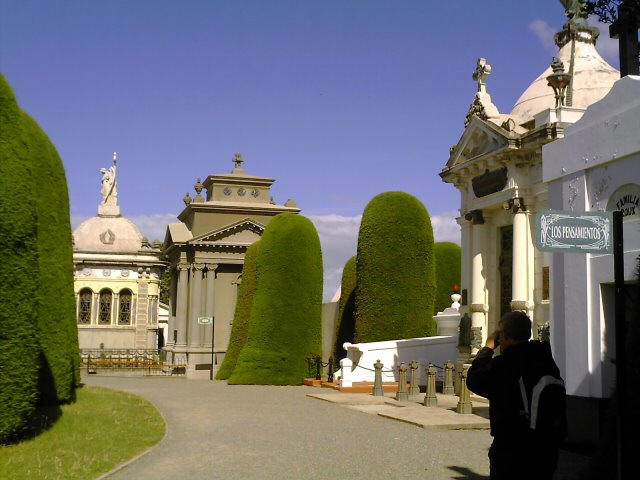
Punta Arenas Chile: A group of the hundreds of elaborate mausoleums found in
this city within a city at the city's extraordinary cemetery.
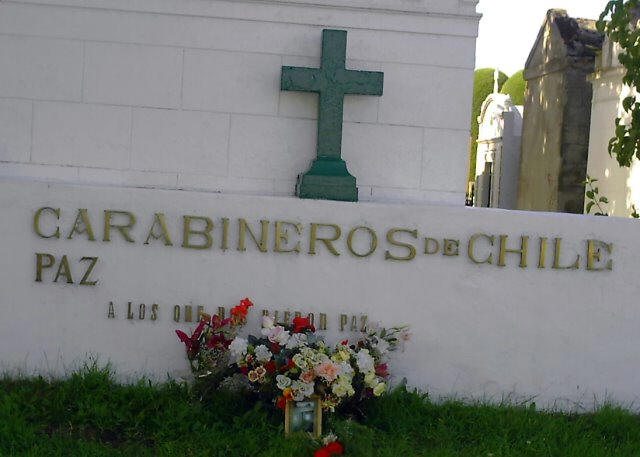
Punta Arenas Chile: Tomb of honoring the country's police.
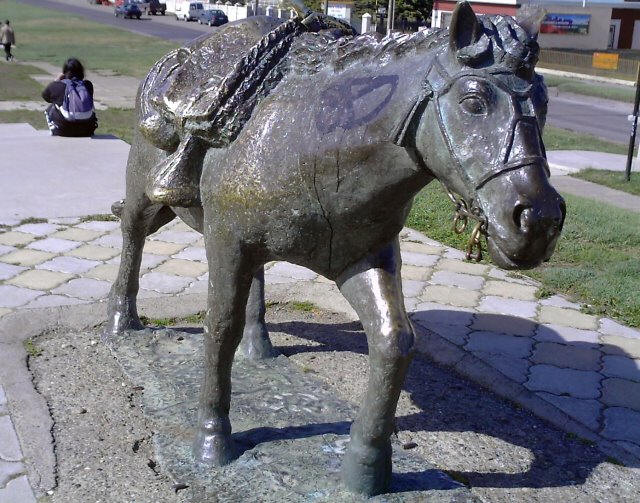
Punta Arenas Chile: Monument honoring early pioneers stands in the green
parkway leading north out of the city.
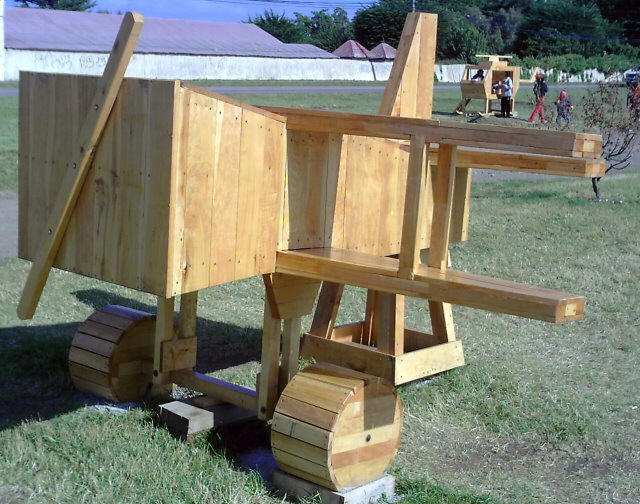
Punta Arenas Chile: One of the wooden crafted sculptures along the green
parkway leading north out of the city toward the cruise ship wharf and
airport.
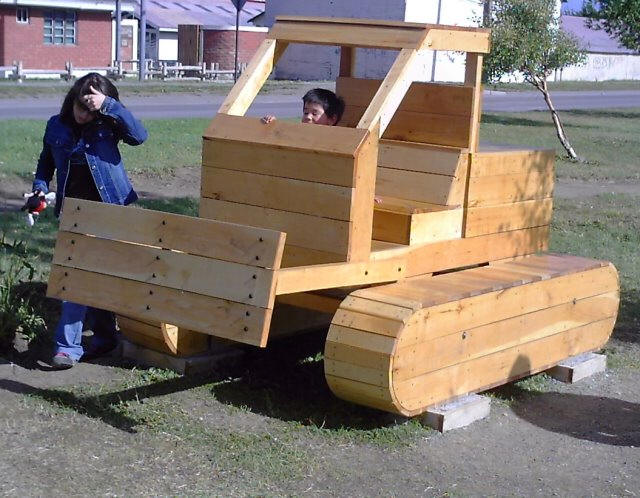
Punta Arenas Chile: One of the wooden crafted sculptures along the green
parkway leading north out of the city toward the cruise ship wharf and
airport.
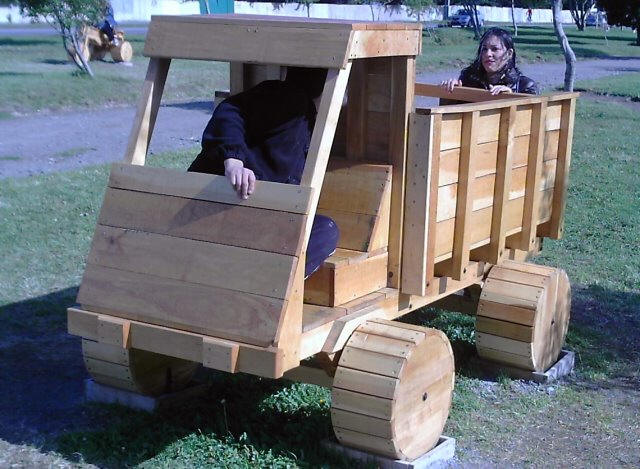
Punta Arenas Chile: One of the wooden crafted sculptures along the green
parkway leading north out of the city toward the cruise ship wharf and
airport.
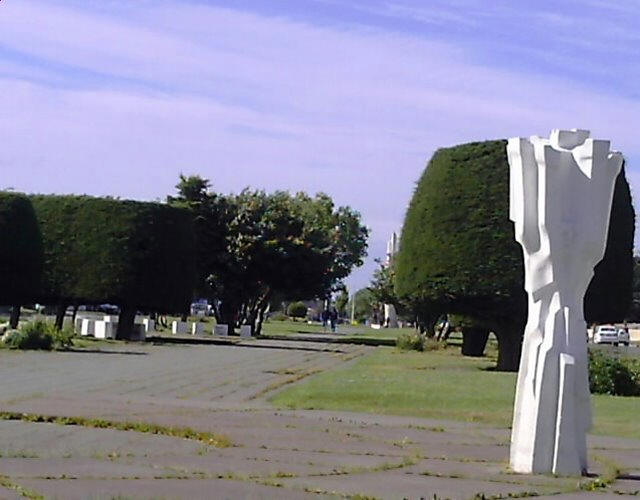
Punta Arenas Chile: Sculpture along the green parkway leading north out of
the city toward the cruise ship wharf and airport.
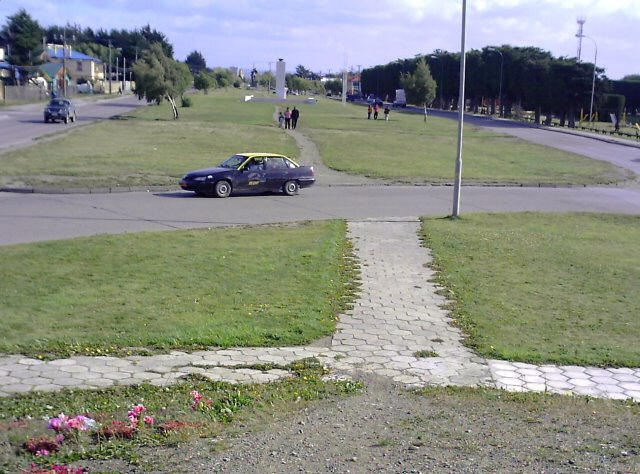
Punta Arenas Chile: Looking up the green parkway leading north out of the
city toward the cruise ship wharf and the airport.
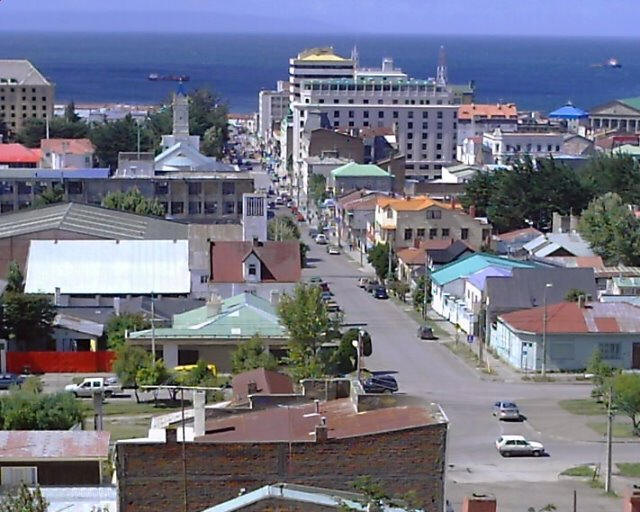
Punta Arenas Chile: Looking down on the boulevard that runs along the south
side of the Plaza de Armas.
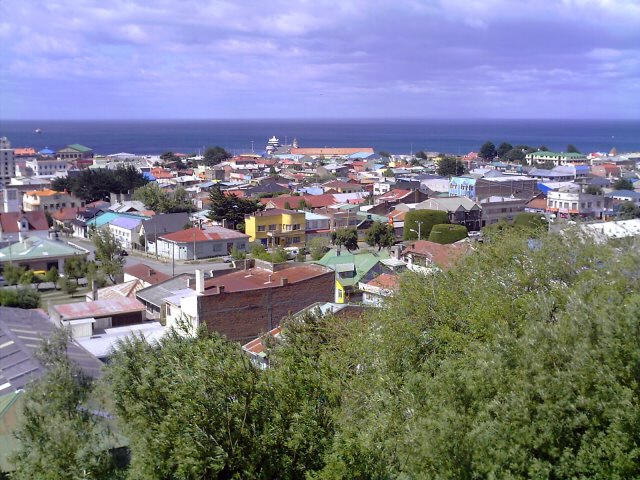
Punta Arenas Chile: Looking down on the city center area from a point on the
hill to the west of the Plaza de Armas.
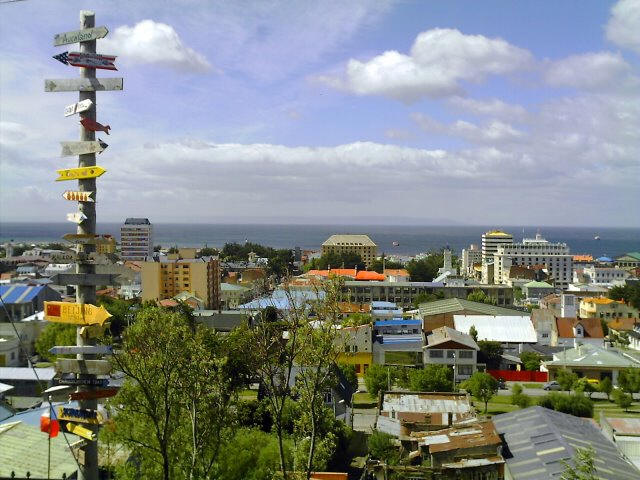
Punta Arenas Chile: Looking down on the city center area from a point on the
hill to the west of the Plaza de Armas.
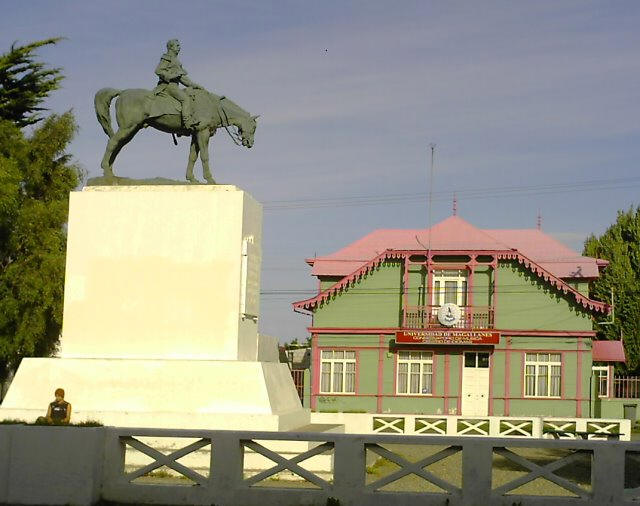
Punta Arenas Chile: Example of the colorful color schemes adopted by the
people of Chile.
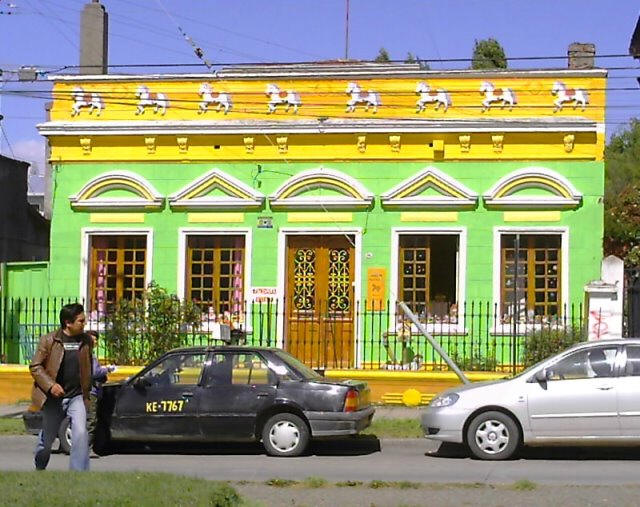
Punta Arenas Chile: Example of the colorful color schemes adopted by the
people of Chile.
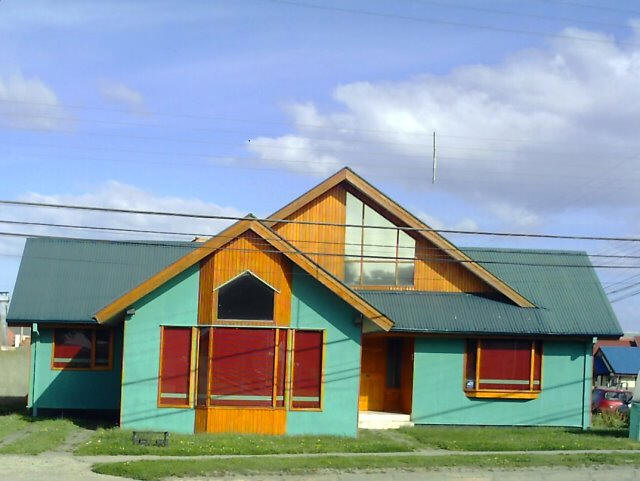
Punta Arenas Chile: Example of the colorful color schemes adopted by the
people of Chile.
|
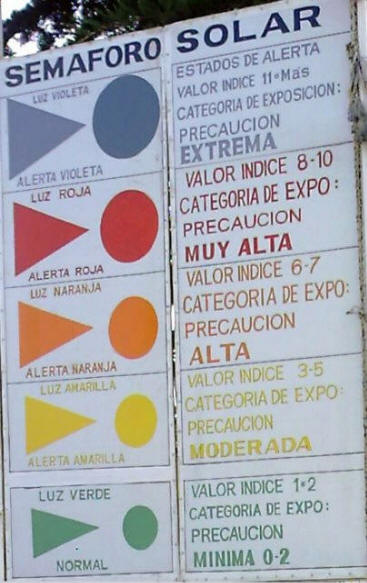
Punta Arenas Chile:
Ultraviolet radiation exposure in this part of the world is a real danger.
The government monitors the levels and issues alerts, much like Los Angeles
did with smog in my youth. A red flag hung above the sign to alert us the
danger is high today, 1 February 2006.
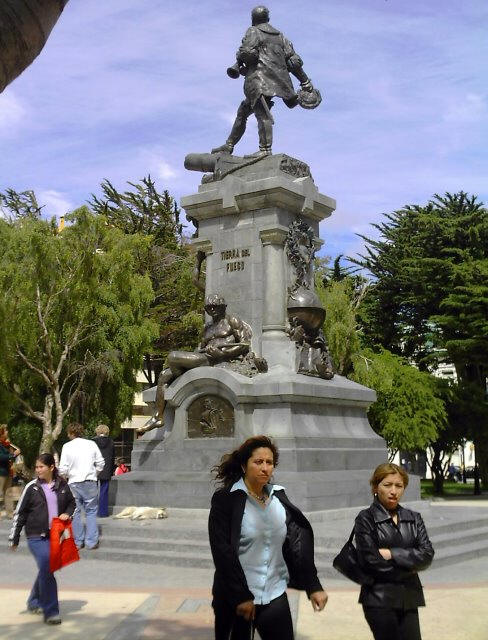
Punta Arenas Chile: Monument in the center of the Plaza de Armas.
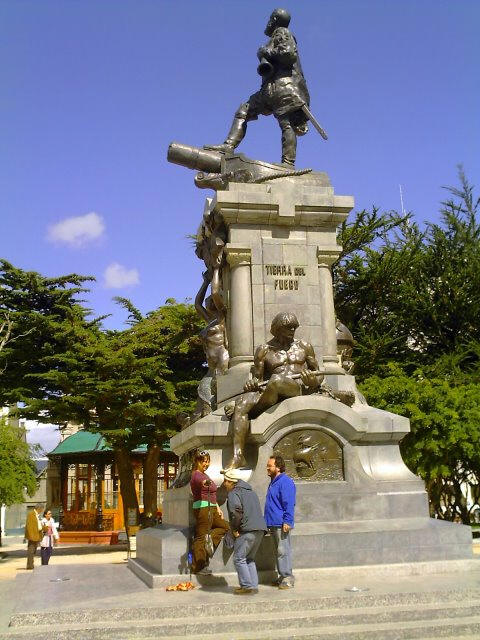
Punta Arenas Chile: Monument in the center of the Plaza de Armas.
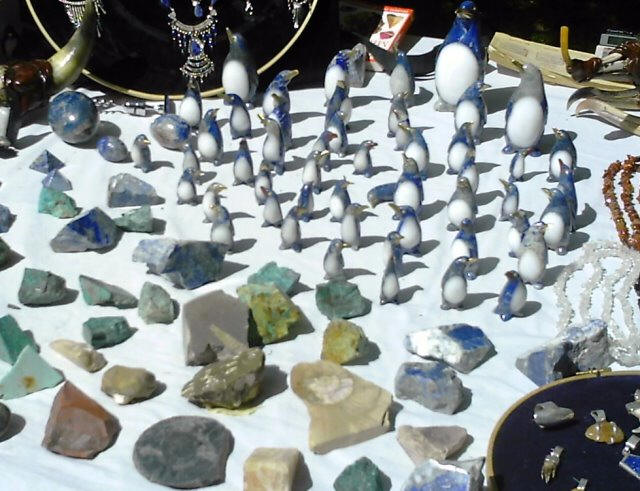
Punta Arenas Chile: Artisans display their wares around the center of the
Plaza de Armas.
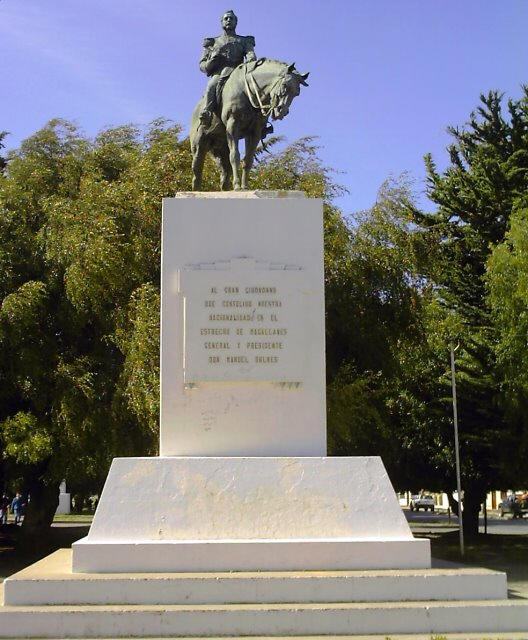
Punta Arenas Chile: Statue honoring Don Manuel Bulnes, president of Chile a
century ago.
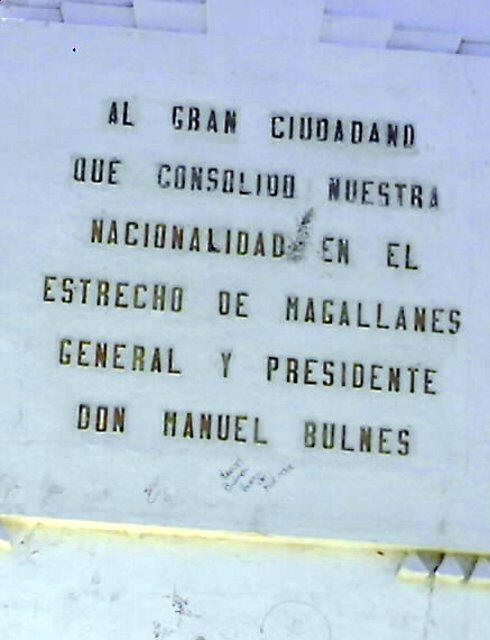
Punta Arenas Chile: Inscription on the base of a statue honoring Don Manuel
Bulnes, president of Chile a century ago.
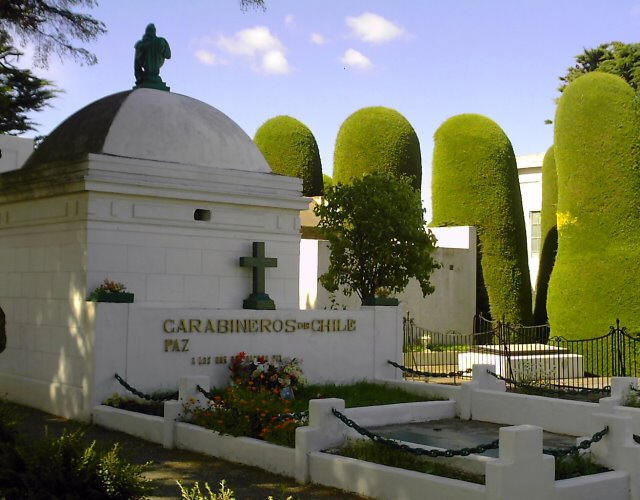
Punta Arenas Chile: Tomb for the police - Carabineros. Many of these oddly
shaped trees have been used in the landscaping of the city's extraordinary
cemetery.
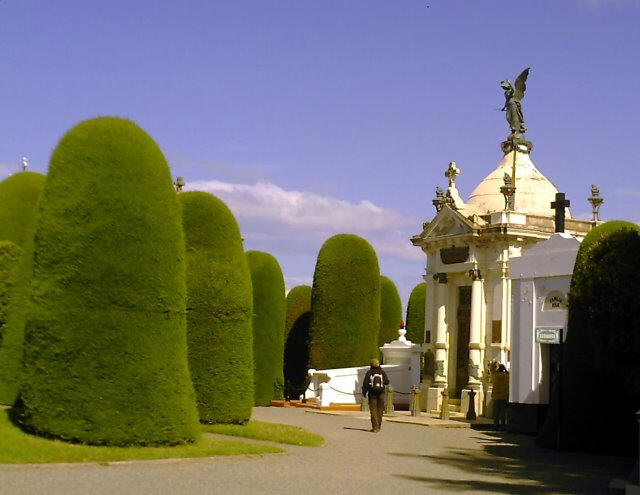
Punta Arenas Chile: One of the hundreds of elaborate mausoleums found in
this city within a city at the city's extraordinary cemetery.
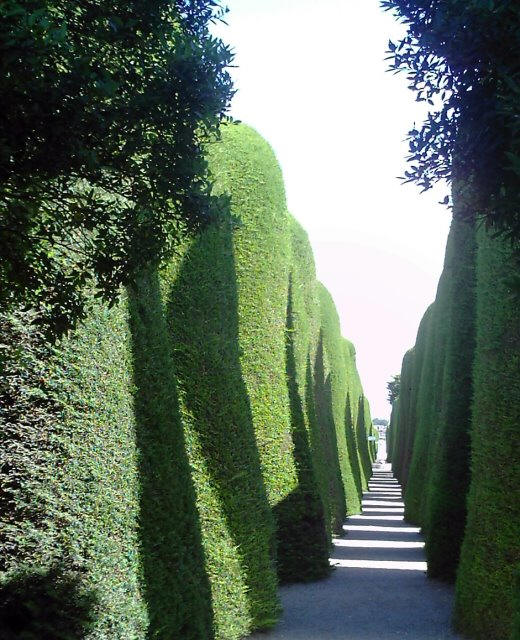
Punta Arenas Chile: Many of these oddly shaped trees have been used in the
landscaping of the city's extraordinary cemetery.
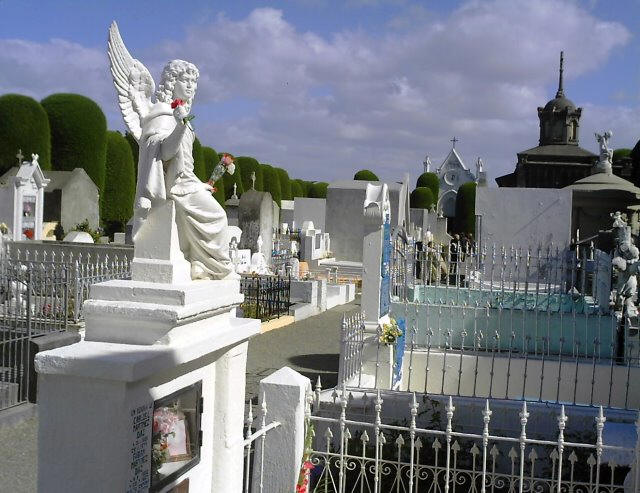
Punta Arenas Chile: Details of sculptures which decorate one of the hundreds
of elaborate mausoleums found in this city within a city at the city's
extraordinary cemetery.
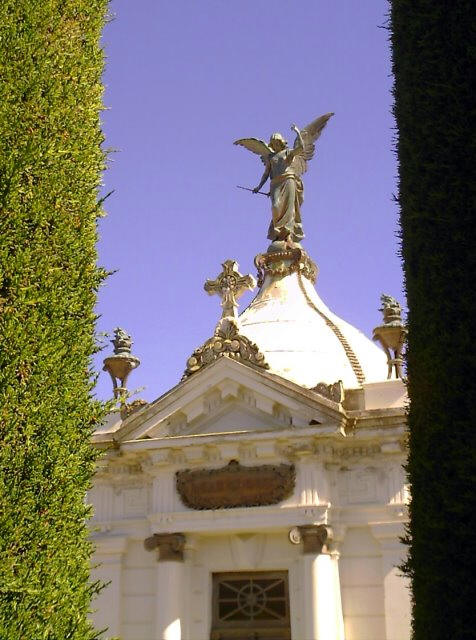
Punta Arenas Chile: Details of sculptures which decorate one of the hundreds
of elaborate mausoleums found in this city within a city at the city's
extraordinary cemetery.
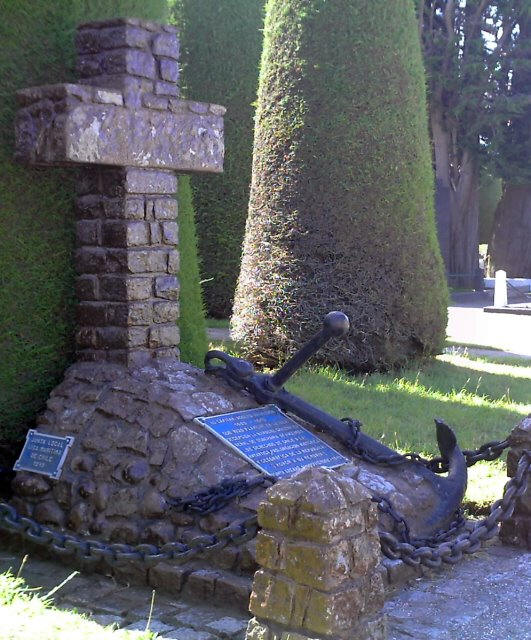
Punta Arenas Chile: Tomb of an honored mariner.
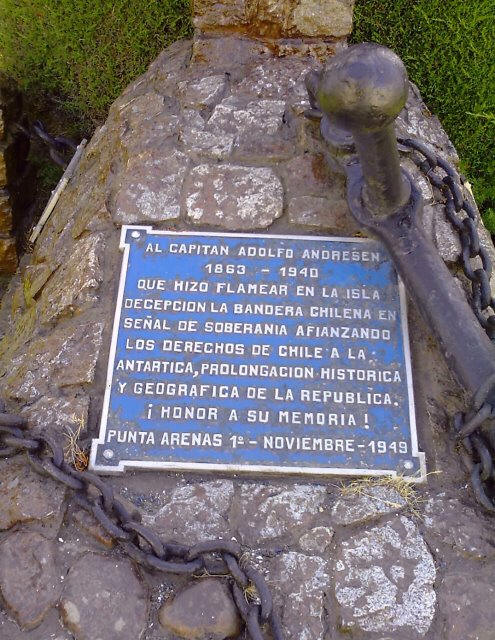
Punta Arenas Chile: Tomb of an honored mariner.
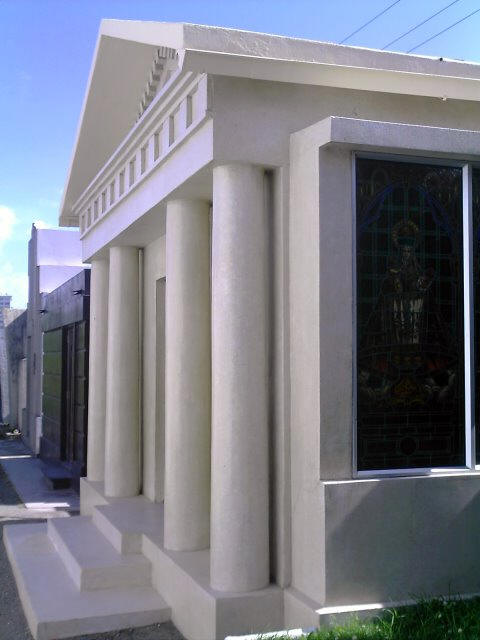
Punta Arenas Chile: One of the richest and unmarked mausoleums found in the
city's extraordinary cemetery.
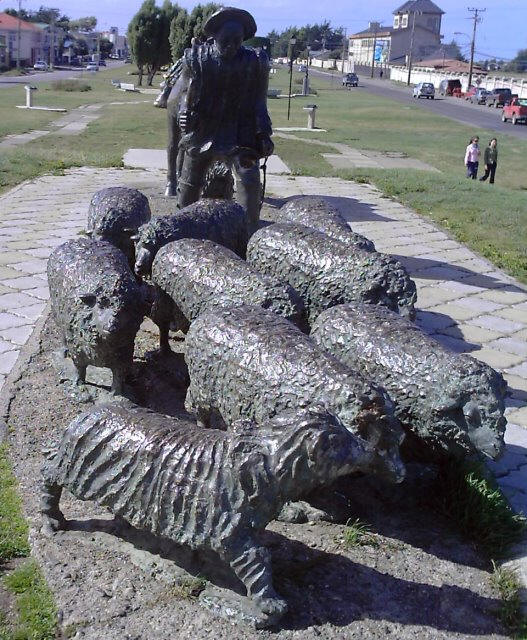
Punta Arenas Chile: Flock of sheep is a part of the Monument honoring early
pioneers.
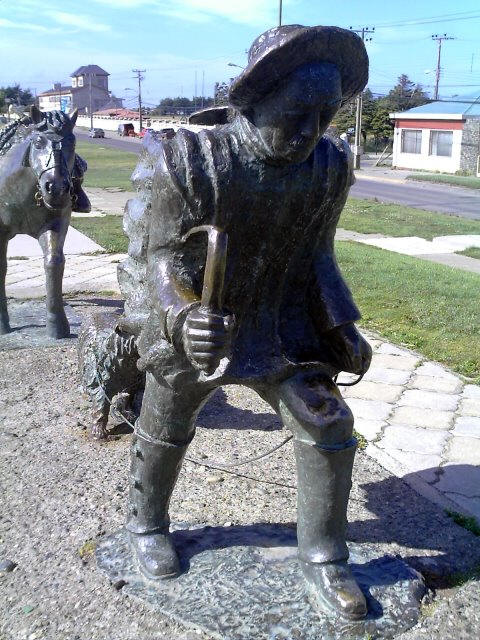
Punta Arenas Chile: Monument honoring early pioneers stands in the green
parkway leading north out of the city.
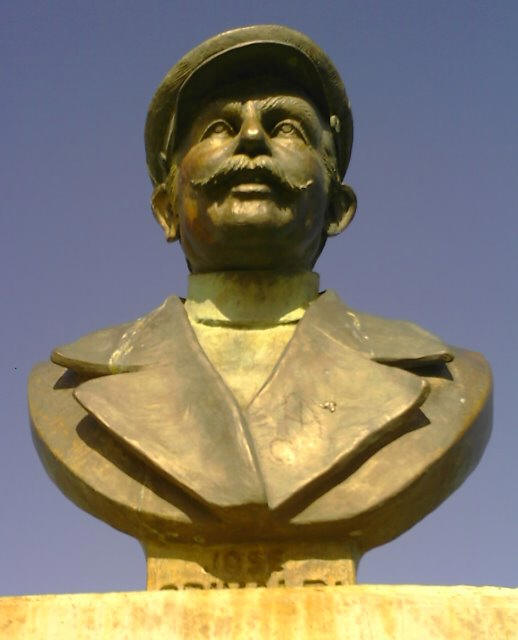
Punta Arenas Chile: Sculpture of another important Chilean along the green
parkway leading north out of the city toward the cruise ship wharf and
airport.
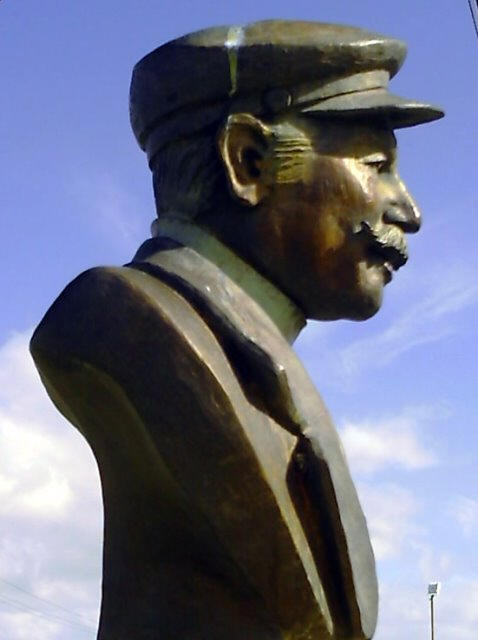
Punta Arenas Chile: Sculpture of another important Chilean along the green
parkway leading north out of the city toward the cruise ship wharf and
airport.
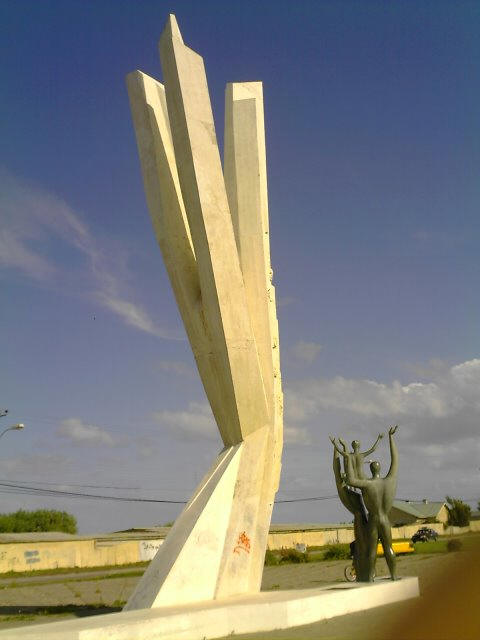
Punta Arenas Chile: Sculpture along the green parkway leading north out of
the city toward the cruise ship wharf and airport.
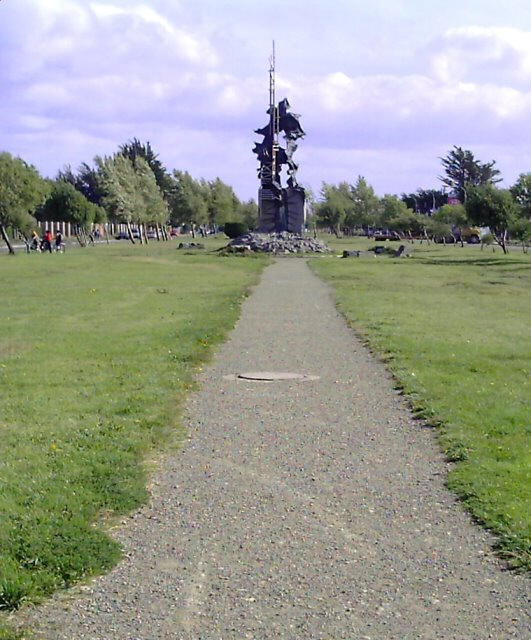
Punta Arenas Chile: Monument honoring energy producers stands in the green
parkway leading north out of the city toward the cruise ship wharf and the
airport.
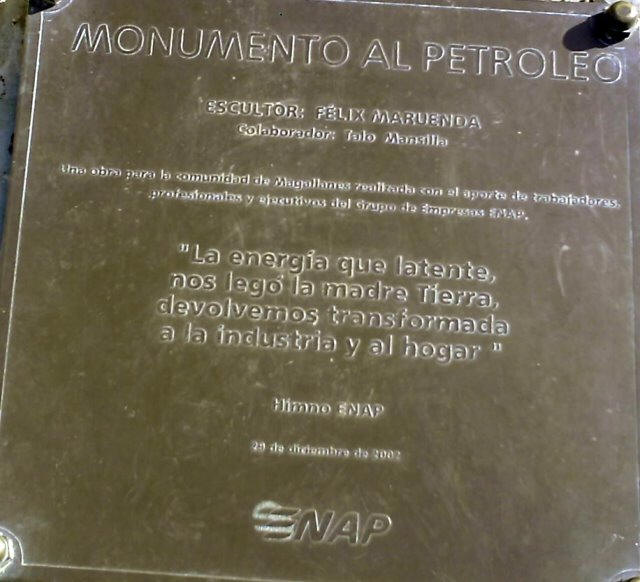
Punta Arenas Chile: Plaque under the monument honoring energy producers
stands in the green parkway leading north out of the city toward the cruise
ship wharf and the airport.
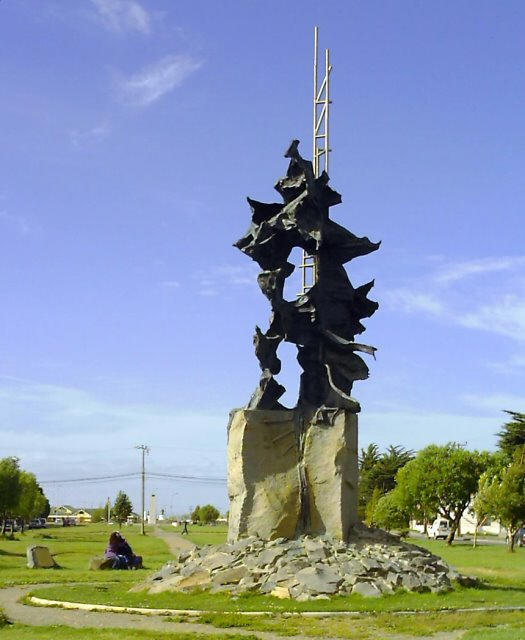
Punta Arenas Chile: Monument honoring energy producers stands in the green
parkway leading north out of the city toward the cruise ship wharf and the
airport.
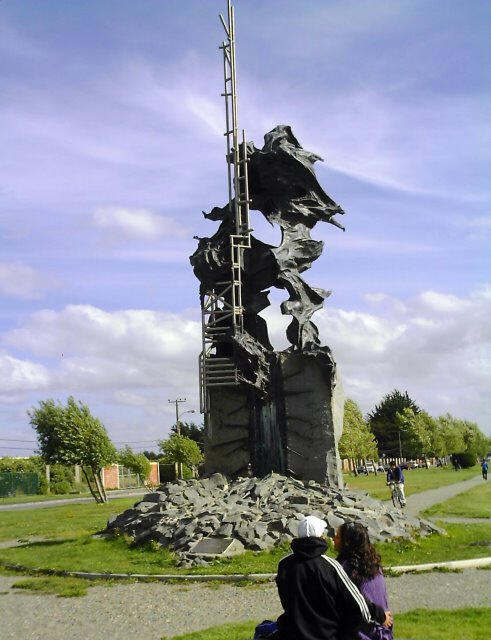
Punta Arenas Chile: Monument honoring energy producers stands in the green
parkway leading north out of the city toward the cruise ship wharf and the
airport.
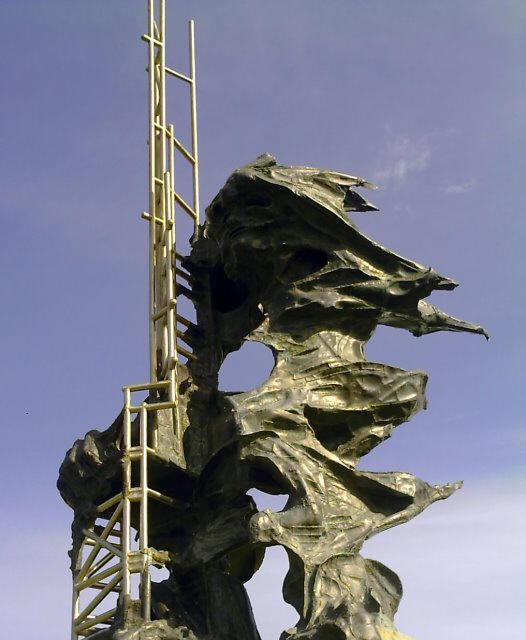
Punta Arenas Chile: Monument honoring energy producers stands in the green
parkway leading north out of the city toward the cruise ship wharf and the
airport.
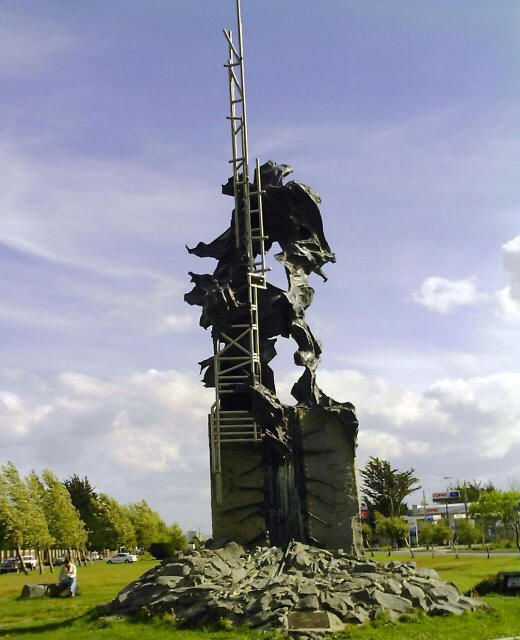
Punta Arenas Chile: Monument honoring energy producers stands in the green
parkway leading north out of the city toward the cruise ship wharf and the
airport.
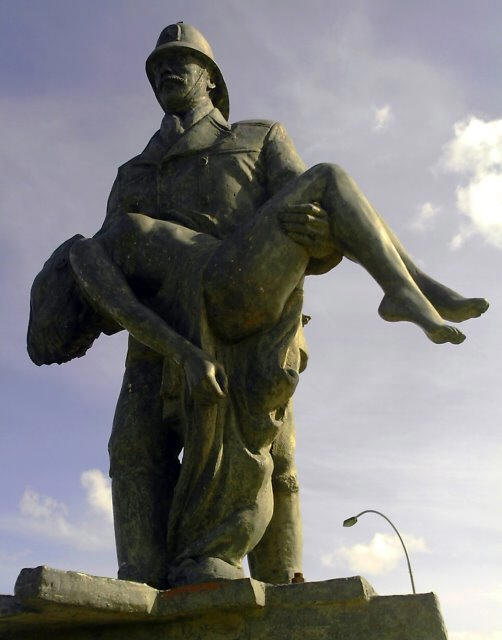
Punta Arenas Chile: Monument honoring fire fighters stands in the green
parkway leading north out of the city toward the cruise ship wharf and the
airport.
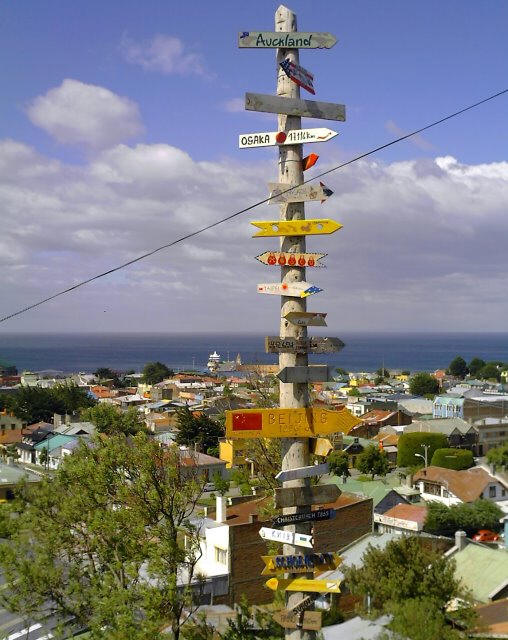
Punta Arenas Chile: Looking down on the city center area from a point on the
hill to the west of the Plaza de Armas.
|



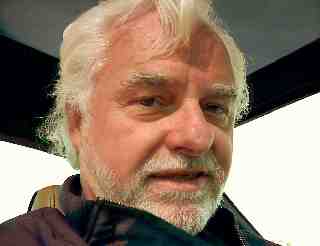 Reference photo:
author
Reference photo:
author