|
Postcards from:
Big Bear Lake USA
San Jose Costa Rica
Granada Nicaragua
Managua Nicaragua
San Salvador ElSalvador
Tegucigalpa Honduras
San Pedro Sula Honduras
Copan Ruinas Honduras
La Ceiba Honduras
Utila Island Honduras
La Ceiba Honduras
San Pedro Sula Honduras
Belmopan Belize
Belize City Belize
Orange Walk Belize
Lamanai
Mayan Ruins
Panama City Panama
Bogata Colombia
Cali Colombia
Popayan Colombia
Ipiales Colombia
Quito Ecuador
Galapagos Is. Ecuador
Puerto Ayoro Galapagos
Guayaquil Ecuador
Cuenca Ecuador
Tumbes Peru
Lima Peru
Nazca Peru
Cuzco Peru
Ollantaytambo Peru
Machu Picchu Peru
Machu Picchu Photos
Cuzco Again
Lake Titicaca Peru
Lake Titicaca Photos
Copacabana Bolivia
La Paz Bolivia
Arica Chile
Iquique Chile
Antofagasta Chile
Santiago Chile 1
Valparaiso Chile
Santiago Chile 2
Easter Island Chile
Santiago Chile 3
Chillan Chile
Valdivia Chile
Puerto Montt Chile
Castro Chile
Chaiten Chile
Coyhaique Chile
Puerto Chacabuco Chile
Coyhaique Chile
Punta Arenas Chile
Puerto Natales Chile
Punta Arenas Chile
Puerto Williams Chile
Ushuaia Argentina
Buenos Aires Argentina
Puerto Iguazu Argentina
Montevideo Uruguay
Colonia Uraguay
Caracas Venezuela
Ciudad Bolivar Venezuela
Puerto Ordaz Venezuela
Porlamar Venezuela
PortOSpain Trinidad
Georgetown Guyana
Corriverton Guyana
Paramaribo Suriname
Cayenne French Guiana
Pointa A Pitre Guadaloupe
Gosier Guadeloupe
Dominican Republic
Miami Florida
Back Home in California
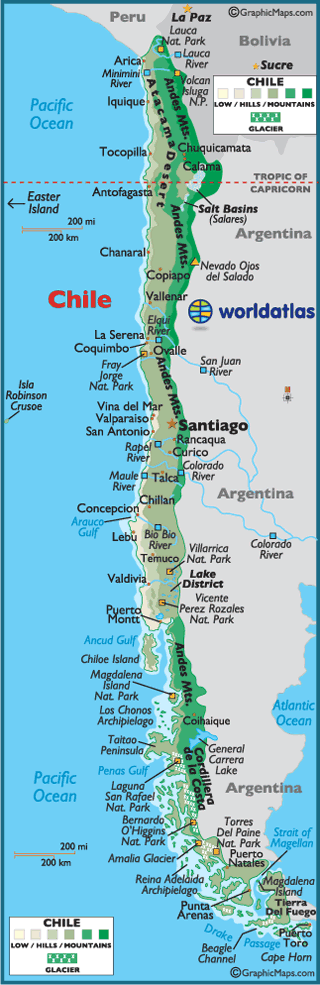
Orientation Map of Chile.
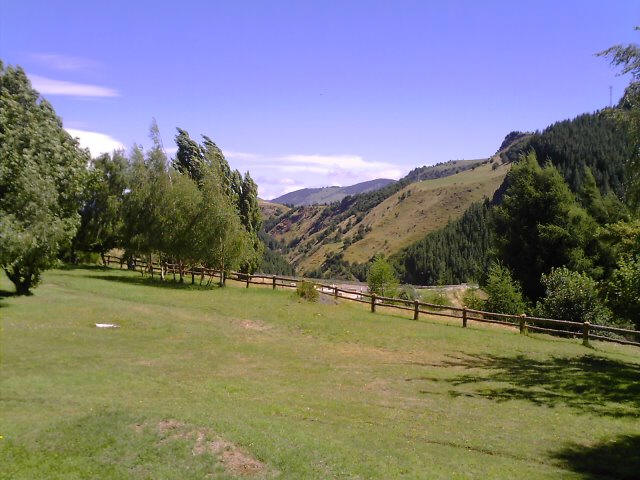
Puerto Chacabuco Chile: Rolling hills on our way to Puerto Chacabuco Chile.
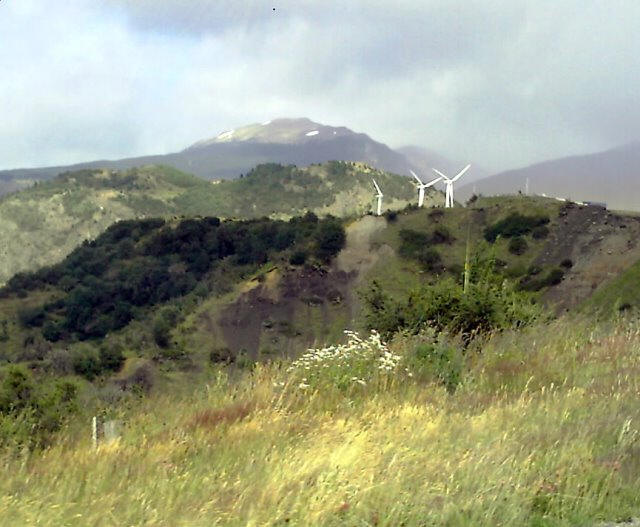
Puerto Chacabuco Chile: Wind farm on our way to Puerto Chacabuco Chile.
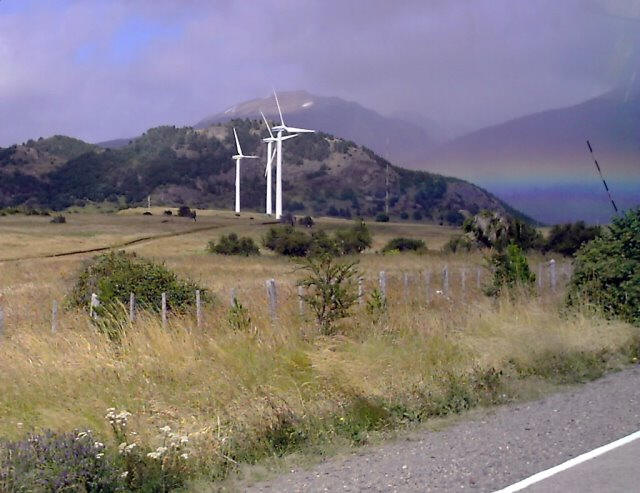
Puerto Chacabuco Chile: Wind farm on our way to Puerto Chacabuco Chile.

Puerto Chacabuco Chile: Wind farm on our way to Puerto Chacabuco Chile.
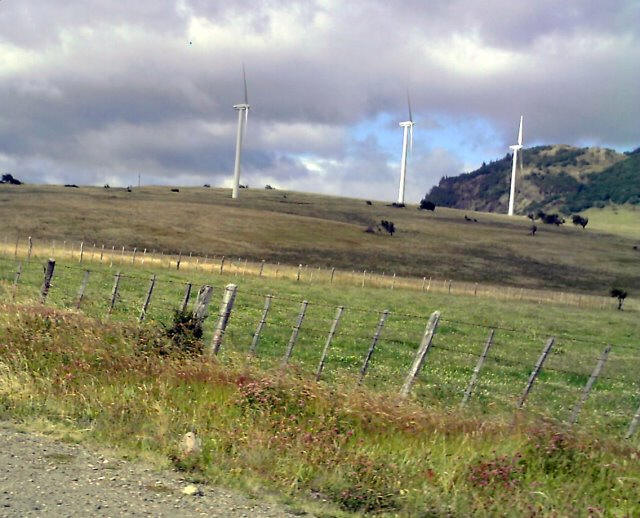
Puerto Chacabuco Chile: Wind farm on our way to Puerto Chacabuco Chile.
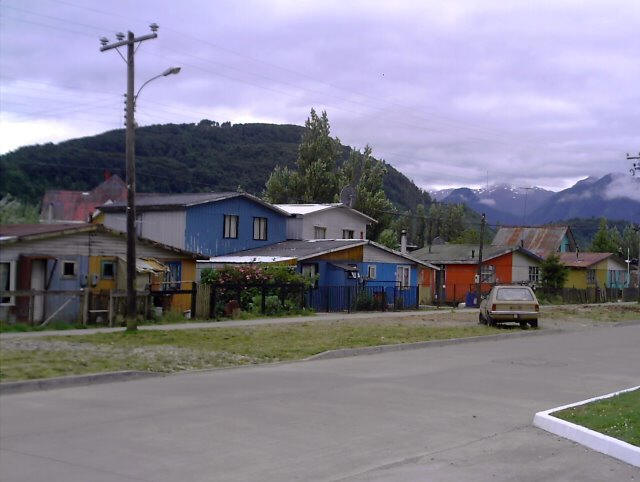
Puerto Chacabuco Chile: Typical civilian housing in Puerto Chacabuco Chile. |
  27-29
January 2006 27-29
January 2006
Greetings from Puerto
Chacabuco Chile
So much world; so
little time. My last postcard from Coyhaique ended with indecision, you
may recall. Still puzzling over the logistics for an onward trek south,
I put that on hold for a while and took a two day side trip over to Puerto
Chacabuco. That is the departure point for a highly promoted thirteen hour
$299 cruise to experience the San Rafael Glacier. Retracing the route we
used to reach Coyhaique a few days earlier, I again enjoyed the awesome
shear cliffs and grassy meadows along this paved section of the Austral
highway. Soon we turned off and headed west. Just before arriving in
Puerto Aysen we passed a three turbine wind farm.
Puerto Aysen used to be the main shipping port for this part of Chile,
but over the years has become unnavigable forcing the government to
develop the new facility at Puerto Chacabuco. Puerto Aysen is the largest
village in the region, but still not much more than four or five blocks of
commercial buildings and scattered dwellings. Fifteen thousand people are
said to make it their permanent home. One local bus company provides
regular onward transportation to Puerto Chacabuco some fifteen kilometers
further west.
Puerto Chacabuco; blink and you could miss the few warehouses and
other structures before reaching the wharf at the end of the road. Total
population is under 1500. The Chilean Armada maintains a base here and a
complex of bright yellow apartment buildings near the wharf serves as
government housing for the personnel assigned to the base. Perhaps forty
or fifty metal clad wood frame buildings house the civilians working in
the area. The "supermarket" is a tiny mom-and-pop store stocking the bare
necessities of life on the frontier. On the hill above all this nothing
sits the magnificent four star
Hotel Liberias Del Sir. It is the only real hotel in the area. The
catamaran ship used for the glacier trip is owned by the same company that
operates the hotel at the port. My most determined bargaining only got the
posted $170 room rate down to the $130 rate everyone pays. However, it is
an excellent hotel, first class in every way and very convenient for
the early morning boat departures. When I asked the gracious receptionist
where she had learned her excellent English, Pamela sheepishly replied,
"Fargo North Dakota," adding that everyone from America always found that
funny. Immediately recalling the film by that name, I stifled a belly
chuckle myself. I stayed there both the night before and the one after the
full day cruise.
All
Catamaranes del Sur passengers at the hotel got an early morning wake
up call and were instructed to be in the lobby by 7:15 when a bus would
transfer us to the ship a couple blocks away. That day clouds completely
covered the sky leading me to surmise the promised rain would soon
follow... it never did. We left the Puerto Chacabuco Wharf at 08:00 for a
thirteen hour journey in our comfortable Catamaran. The early part of our
voyage reminded me of sailing the Puget Sound in Washington many years
ago.
While guests
included Americans, French, Italians and Germans, the majority were
Chileans. Most passengers traveled with a partner or group including one
American couple with two playful children, four and six. Strangely, I felt
totally comfortable in this inherently romantic setting, though the only
single taking the cruise. On a long voyage with little to do much of the
time everyone has a chance to meet everyone else and to engage in
entertaining conversation. Several Chilean passengers became convinced
that with all my wild wavy white hair I had to be a movie star, despite my
repeated assurances to the contrary! Others informed me they were
delighted to have the opportunity to practice their English... or more
likely, to secretly enjoy my struggles with their language. Socializing in
many languages among the mostly older groups of couples continued
throughout the day, especially later in the upper deck lounge.
Everyone spent
some time on the chilly exposed after deck. The frigid air didn't keep
anyone from lingering out there to admire an endless parade of exotic
scenery. As we navigated the channels among hundreds of islands,
passengers milled around snapping photos of green islands, the white
ice-bergs floating in the calm blue sea and finally the fluorescent blue
glacier itself. The few defiant smokers on the voyage, banned
from practicing their habit inside the cabins, sheepishly loitered out
there, too.
The frail old
lady with piercing eyes I had met a few days earlier on the ferry from
Castro to Chaitin is held erect in a custom harness managed by her two
care givers. Declaring her determination to have at least one more great
adventure, she is being driven the full length of the Carretera Austral
highway connecting central and southern Chile, stopping at hostels along
the mostly gravel single lane road without advanced reservations. I am
traveling the same challenging route under similar circumstances and know
the complications of such an itinerary. Her audacity makes me wonder what
I'll be doing in twenty three years when I reach her age. For a while we
share adjacent seats in the lounge and engage one another in lively
conversation. She speaks five languages, English fluently. "They
expropriated my land." she murmurs without explanation. We had learned
earlier from her companion that her wealthy American husband and she owned
extensive vineyards before the Communist government redistributed vast
tracts of land and assumed this to be her meaning.
"The government
just took it away from us." she elaborates.
"Without
compensation?" I asked.
"They never paid
for anything." she whispered matter of factly. Little by little I
learned snatches of her life, often with the help of her companion and
caregiver filling in the unintelligible segments I missed.
The 95 year old
former Chilean tennis star is now barely able to walk. Still, spunky Mimi Leatherbee fascinates everyone. She even prepares to board a slippery salt
spray drenched Zodiac for the close approach to the treacherous glacier
wall. All decked out in a bright red life vest and with the physical
assistance of crew members and her two caregivers she joins the swaying
queue I am in for boarding rubber boat number five. In the distance we can
hear the massive ice face splitting. Like the crack of a gaucho's whip,
the sound precedes the spectacular
calving. Miniature tidal waves follow the mountainous chunks of
ice that plunge into the lagoon. At the last minute the ship's captain
declares the glacial activity and choppy waters too dangerous for any but
the most able people and gently urges her back into the warm cabins.
Undaunted and thrilled at her own personal close approach, she has had her
adventure.
It took six hours
of high speed cruising to reach the brilliant electric blue glacier that
tumbles into Laguna San Rafael. Several other boats already sat anchored
in the lagoon when we arrived. One of the larger ships apparently spent
the night there according to rumors circulating among the passengers and
crew. The ship's main cabin is furnished like the interior of an airliner:
rows of three comfortable First Class airline seats on either side and a
pair of seats down the middle. Airliner serving carts made the job of
distributing food quick and efficient. From the promotional material I
expected something a bit more elegant, table cloths and silver perhaps?
During the time
on board we were served first class airline style meals for breakfast, a
mid-morning snack, lunch, a tea time snack and dinner. Chunks of thousand
year old ice taken from small icebergs floating near the glacier added a
mysterious allure to all the free alcoholic drinks passengers cared to
drink in between the formal meals. Every chunk of the millenary ice
contained air bubbles, making me wonder what mysteries scientists might
have solved by analyzing the ancient trapped gases. The open bar became a
popular conversation spot for many passengers, a couple of whom needed a
bit of assistance getting off the boat.
Along the glacier
polished walls to the left of the glacier geologists have placed year
markers showing the location of the
San Rafael Glacier face over the past several decades. The entire
glacial mass moves toward the sea at about two feet per hour. Officially
designated the Campo de Hielo Norte, the leading edge of the massive ice
flow is slowly
receding, something clearly visible to every tourist who visits this
accessible example of the
Patagonia Ice fields of Chile and Argentina. Evidence collected by the
geologists suggests this has not always been the case. For eighteen
thousand years the glacier has slowly cycled with changing climatic
conditions, some years declining, some advancing. Today, nearly all
glaciers around the world are on the decline. Voluminous evidence shows
the principle cause is atmospheric
warming, something that began most recently with the
industrial age around 1800. The correlation between civilization's
increased production of greenhouse gases and the receding glacier face
over the past twenty years is well
documented. While some still question the causes of the melting, there
is no doubt this big ice cube river is slowly fading away.
A 13 February
2006 Time Magazine article,
Is America Flunking
Science?
reports interviews with knowledgeable scientists both within and outside
the government who accuse the current U.S. administration of basing
critical environmental national policy decisions on ideology instead of
hard scientific evidence. Nowhere is the problem more evident than with
the ongoing debate over greenhouse gases and
global warming. So alarming is the problem that
technical,
ecological, as well as
political solutions are all under consideration.
The story of my
early teen bicycle trip in the last postcard and the eerie song it
recalled, led to more musings about my early wandering years. Following
that youthful bicycle escapee, other ventures took me hitch hiking around
the American West, dropping out of high school in the middle of my junior
year when faced with an irresistible urge to get away from it all.
Eventually, I paused long enough to restart my formal education.
Struggling with the unforgiving discipline of academic life and an
insatiable wanderlust, my heart still roamed. Another song released at the
very beginning of that period spoke to my restless spirit:
The Cry of the Wild Goose performed by Frankie Laine and
Tennessee Ernie Ford in the early 1950's soared on the charts:
Tonight I heard the wild goose cry
Wingin' north in the
lonely sky
Tried to sleep, but it
ain't no use
'Cause I am the brother
to the old wild goose
My heart knows what the wild goose knows
And I must go where the
wild goose goes
Wild goose, brother
goose, which is best
A wanderin' foot or a
heart at rest
The cabin is warm and the snow is deep
And I've got a woman, she
lies asleep
When she wakes at
tomorrow's dawn
She'll find, poor
critter, that her man is gone
REFRAIN
My woman was kind and true to me
Thinks she loves me, the
mournful she
She's gotta learn that it
ain't no use
To love the brother to
the old wild goose
REFRAIN
Spring is comin' and the ice will break
And I can't linger for a
woman's sake
She'll see a shadow pass
overhead
She'll find a feather
beside my bed
REFRAIN
An hour cruising around the lagoon and
launching the several Zodiac rubber boats for closer inspection of the
area adjacent to the active face of the glacier and we started our
return trip back to Puerto Chacabuco. Suddenly the solid cloud
canopy broke into a panorama of cotton flocked blue skies allowing
the previously hidden sun to peek through here and there. An hour before
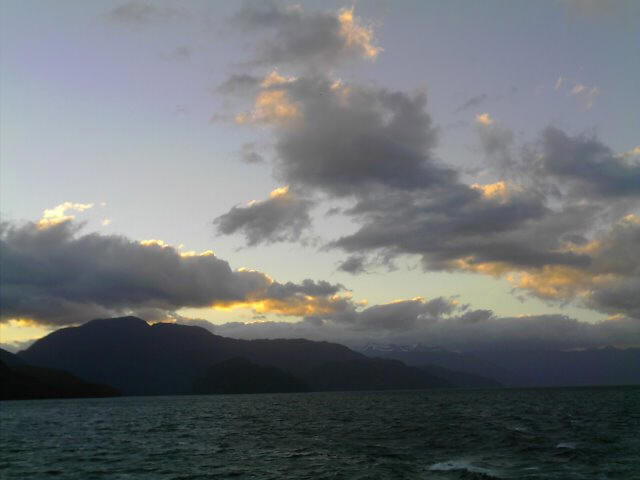
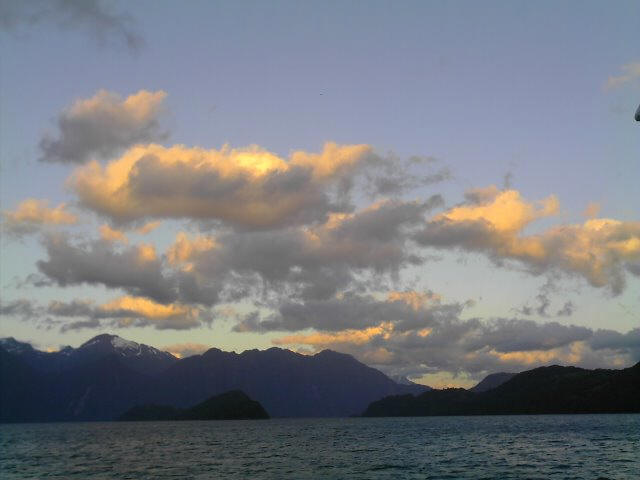
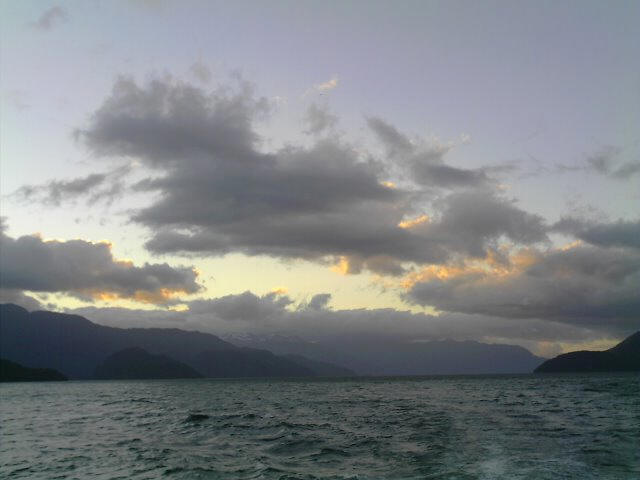
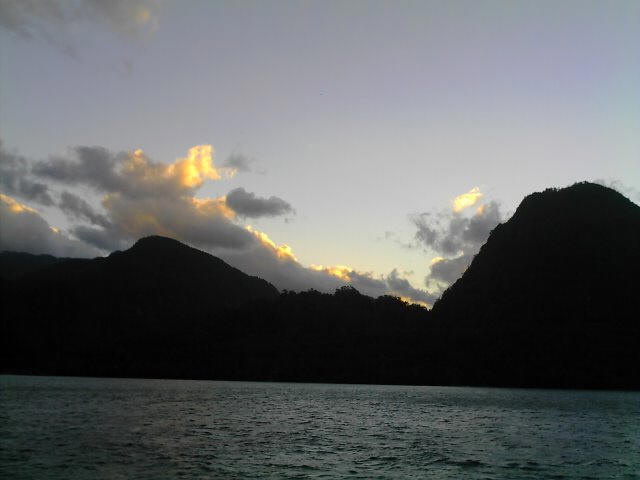
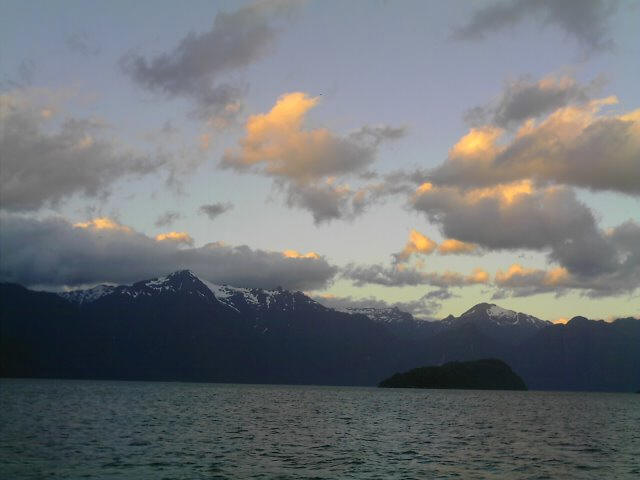
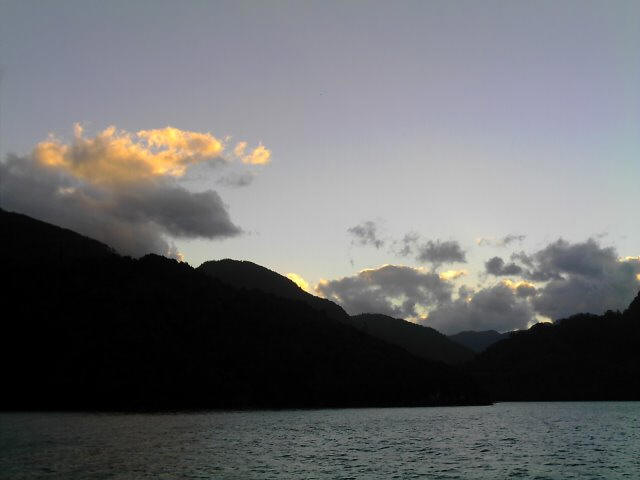
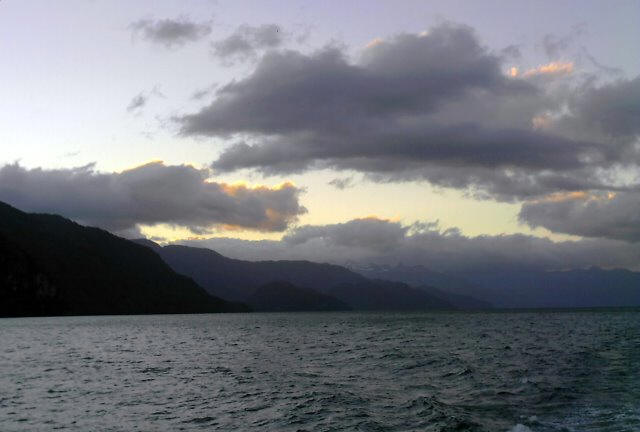
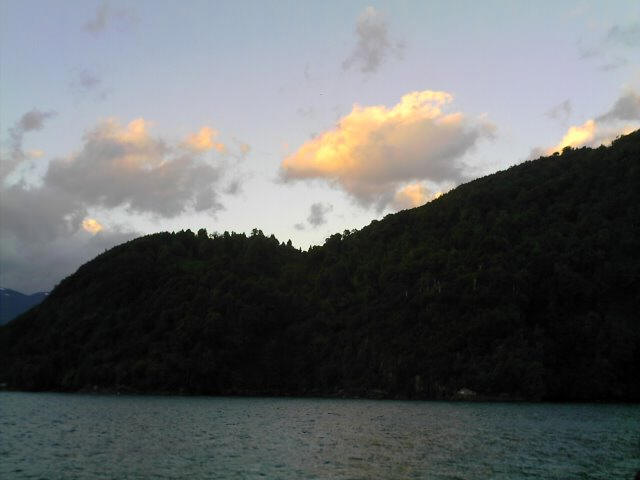
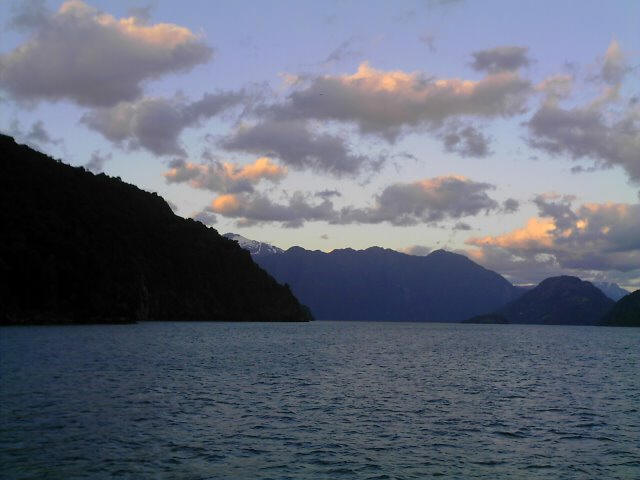
we reached the port a spectacular sunset capped the day. Many of us
shutterbugs took as many pictures of the changing reds, yellows, dusky
blues and silver linings as we did the impressive glacier wall. The big
comfy bed and cable TV were welcome reminders of civilization on our
return to the hotel shortly after sunset. Tomorrow I'll head back over to
Coyhaique to evaluate onward travel options: fly or bus... south or east?
Peace,
Fred L Bellomy
PS: In the
process of researching subjects explored in this postcard I came across an
unusually succinct and clear exposition humanity's present dilemmas. Take
the time to read the short essay,
Poverty and Overpopulation.
It made me rethink my ordering of mankind's priorities and future
prospects.

Puerto Chacabuco Chile: Navy housing at the port.
|
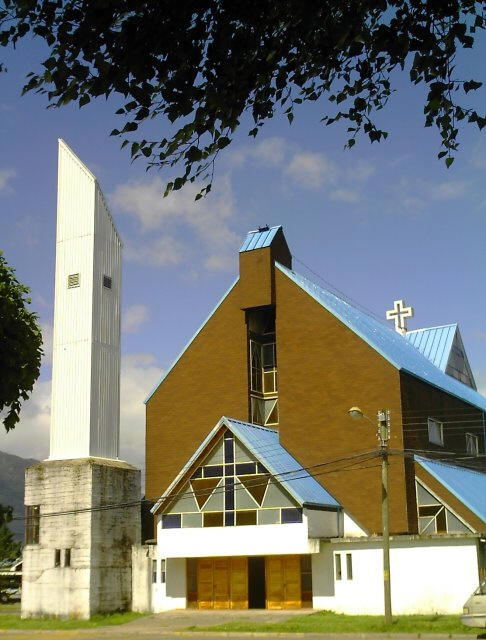
Puerto Aisen Chile: Odd cathedral on the Plaza de Armas in this former major
port town. Large ships now uses Puerto Chacabuco further to the west.
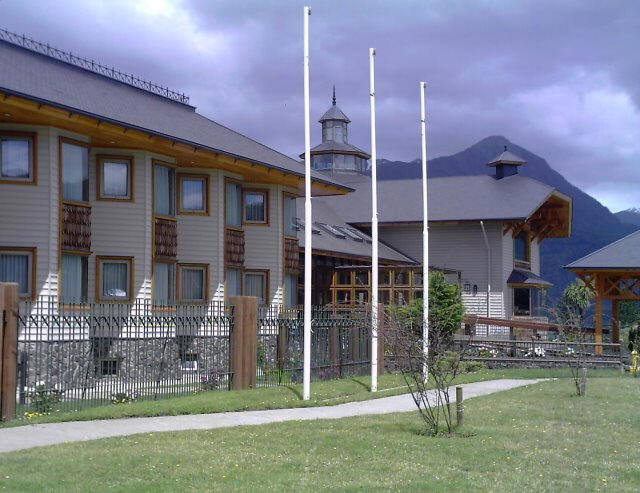
Puerto Chacabuco Chile: Five star $130 Loberias del Sur Hotel associated
with the $299 Catamaranes del Sur - San Rafael Glacier cruise.

Puerto
Chacabuco Chile: Five star $130 Loberias del Sur Hotel associated with the
$299 Catamaranes del Sur - San Rafael Glacier cruise.
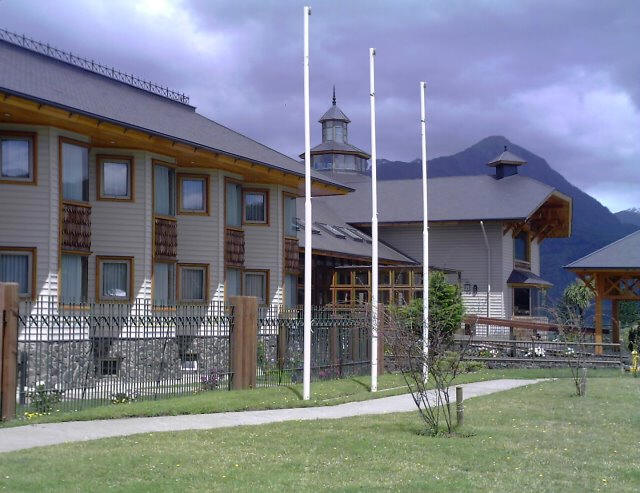
Puerto Chacabuco Chile: Five star $130 Loberias del Sur Hotel associated
with the $299 Catamaranes del Sur - San Rafael Glacier cruise.
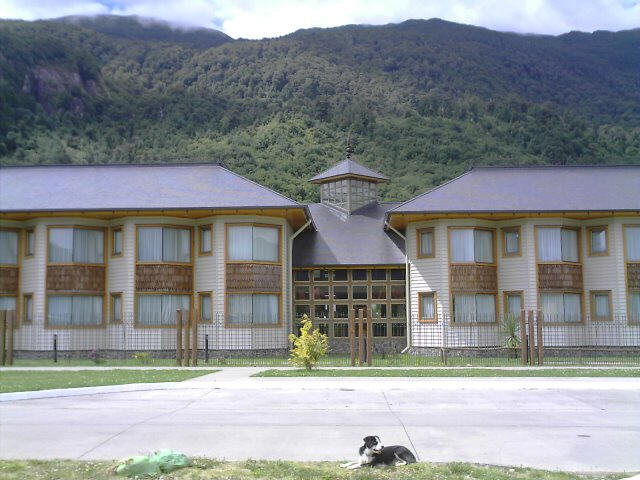
Puerto Chacabuco Chile: Five star $130 Loberias del Sur Hotel associated
with the $299 Catamaranes del Sur - San Rafael Glacier cruise.
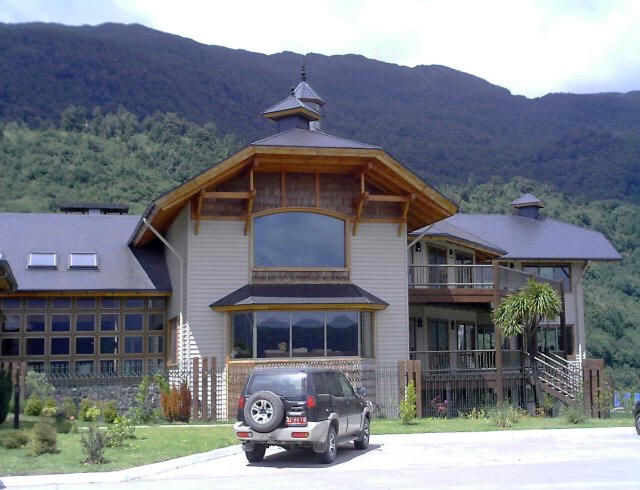
Puerto Chacabuco Chile: Five star Loberias del Sur Hotel associated with
the Catamaranes del Sur - San Rafael Glacier cruise.
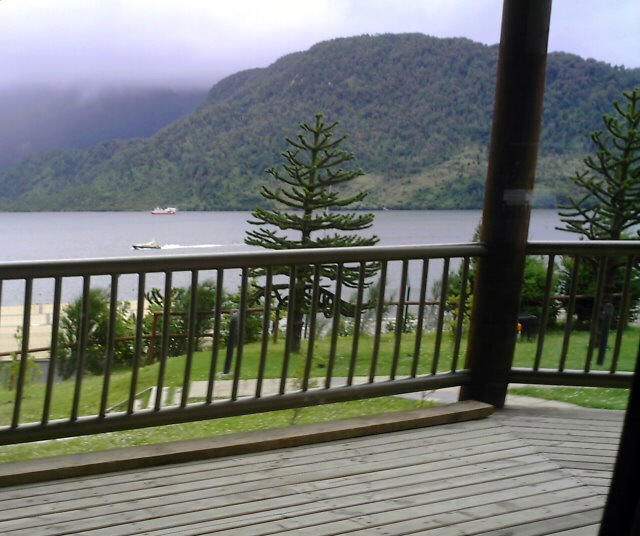
Puerto Chacabuco Chile: View of the bay in front of the Five star $130
Loberias del Sur Hotel.
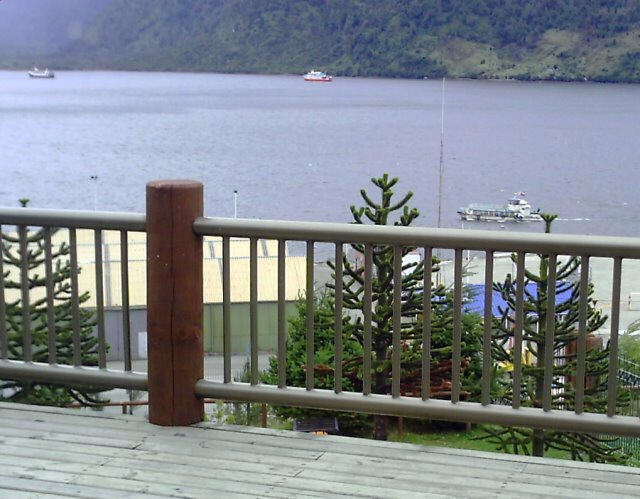
Puerto Chacabuco Chile: View of the bay in front of the Five star $130
Loberias del Sur Hotel.
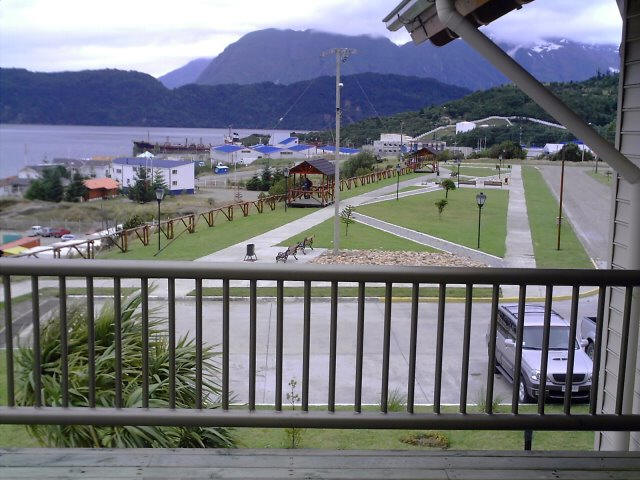
Puerto Chacabuco Chile: View of the bay in front of the Five star $130
Loberias del Sur Hotel.

Puerto Chacabuco Chile: Looking down into the lobby of the Five star $130
Loberias del Sur Hotel.
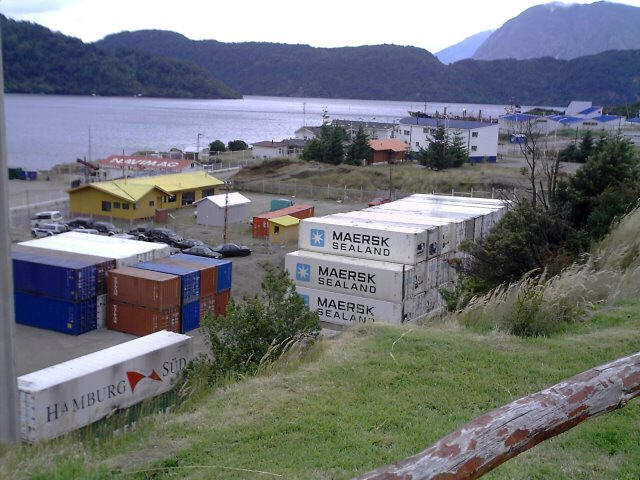
Puerto Chacabuco Chile: View of the bay in front of the Five star $130
Loberias del Sur Hotel.
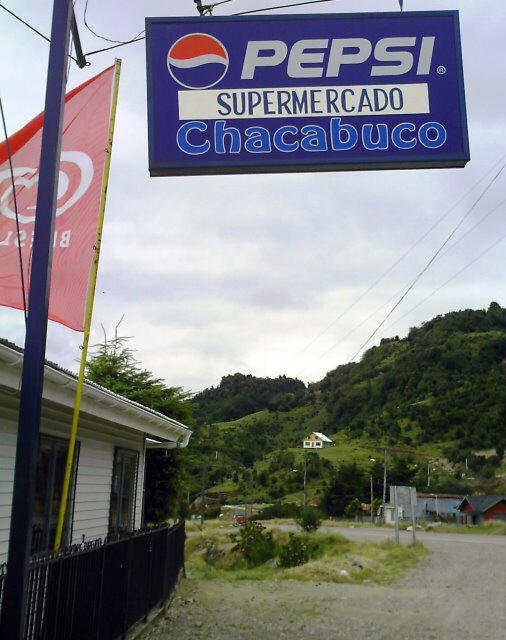
Puerto Chacabuco Chile: The only "supermarket" in Puerto Chacabuco Chile.

Puerto Chacabuco Chile: The only "supermarket" in Puerto Chacabuco Chile.

Puerto Chacabuco Chile: Typical civilian housing in Puerto Chacabuco Chile.
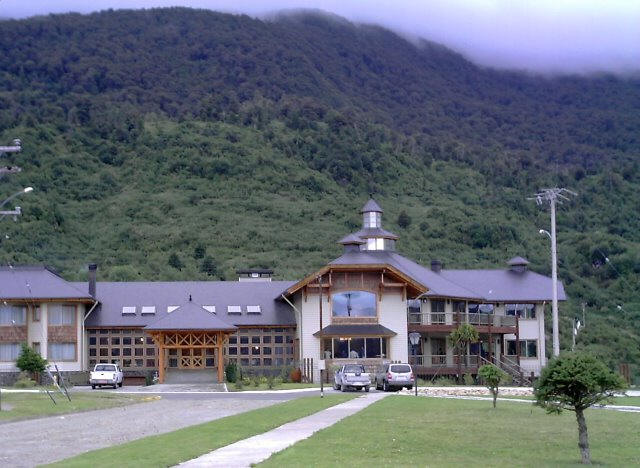
Puerto Chacabuco Chile: Five star $130 Loberias del Sur Hotel associated
with the $299 Catamaranes del Sur - San Rafael Glacier cruise.
|
|
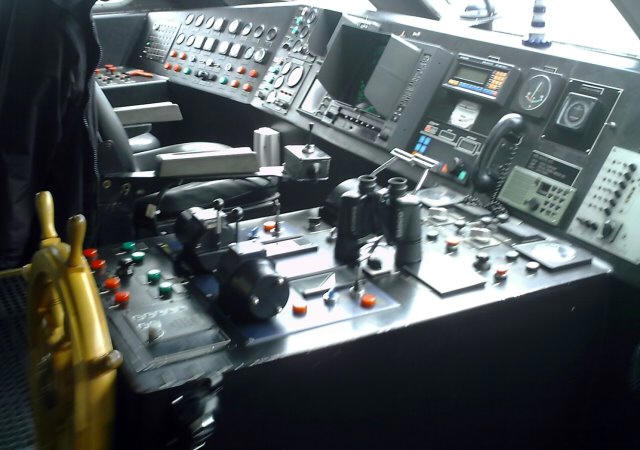
Glacier San Raphael Chile: Inside of the wheelhouse everything is modern,
with every conceivable electronic device a captain might desire.
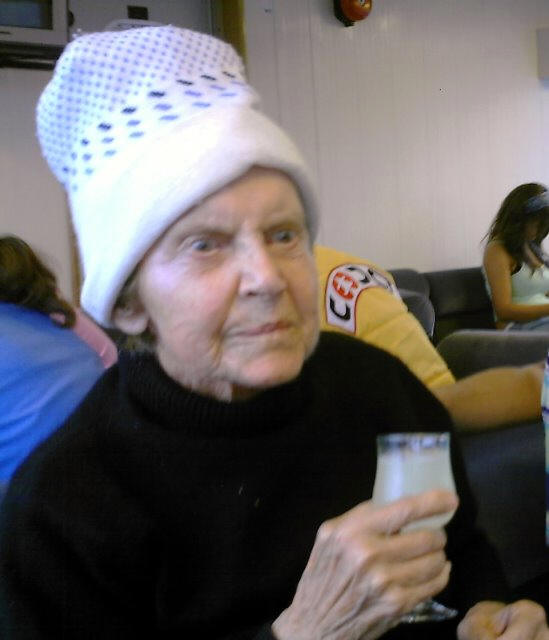
Glacier San Raphael Chile: Ninety-five years old and still spunky, Mimi
Leatherbee fascinates everyone. She even tries to board a slippery salt
spray drenched Zodiac for the close approach to the treacherous glacier
wall.
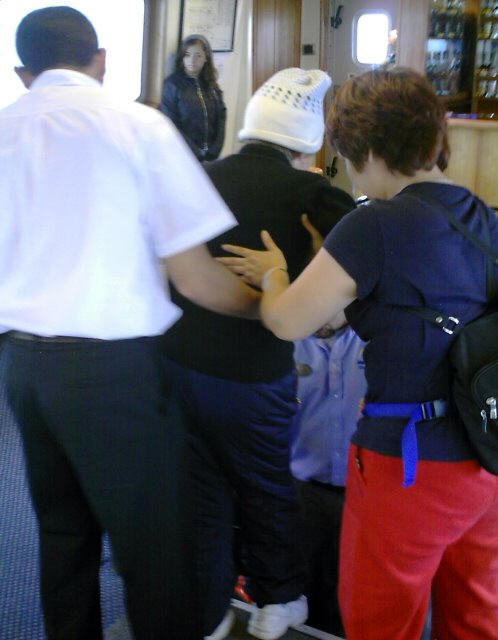
Glacier San Raphael Chile: She needs help getting around, but spunky Mimi
Leatherbee fascinates everyone. She even tries to board a slippery salt
spray drenched Zodiac for the close approach to the treacherous glacier
wall.
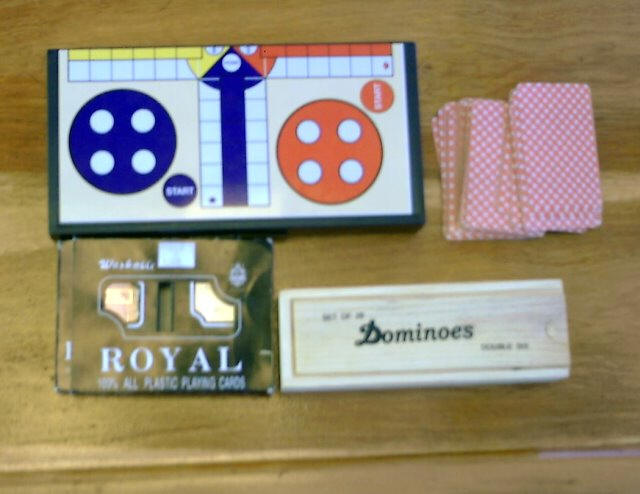
Glacier San Raphael Chile: Tables in the upper deck lounge offered a variety
of games to entertain guests during the long hours when nothing interesting
occurred.

Glacier San Raphael Chile: One of the Zodiac rubber boats used to take
passengers up close to the glacier face.

Glacier San Raphael Chile: Another view of the face of the glacier.

Glacier San Raphael Chile: One of the Zodiac rubber boats used to take
passengers up close to the glacier face.
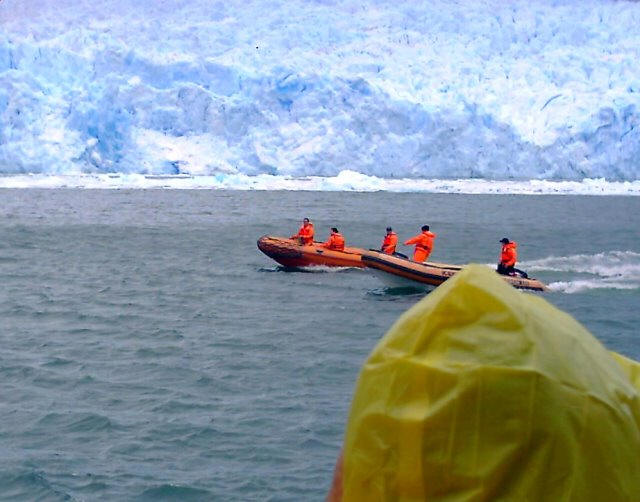
Glacier San Raphael Chile: Zodiac rubber boats used to take passengers up
close to the glacier face.
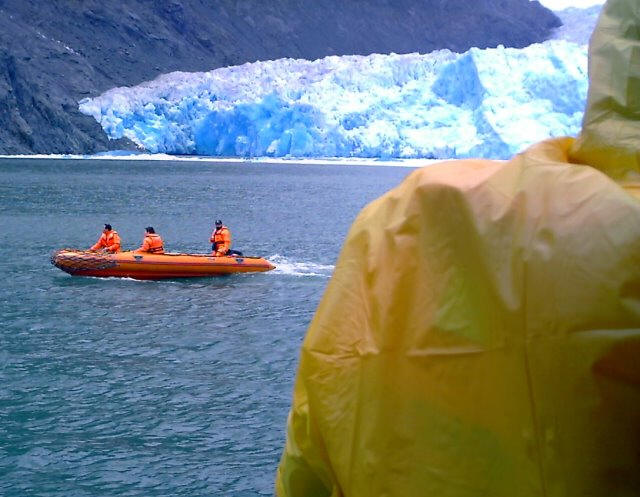
Glacier San Raphael Chile: One of the Zodiac rubber boats used to take
passengers up close to the glacier face.
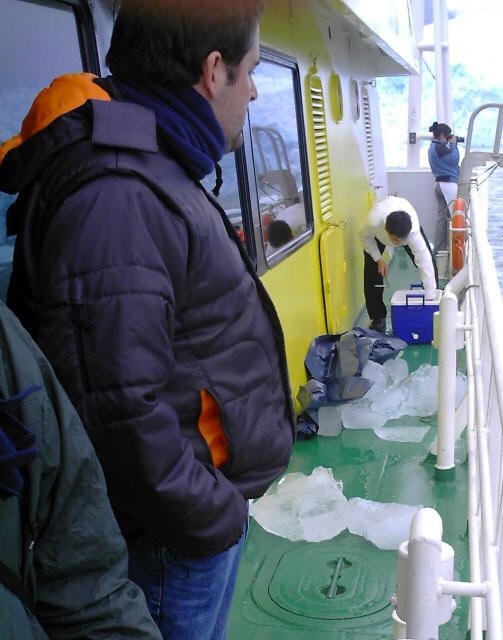
Glacier San Raphael Chile: Crew chips chunks of glacier ice to cool
passengers drinks.
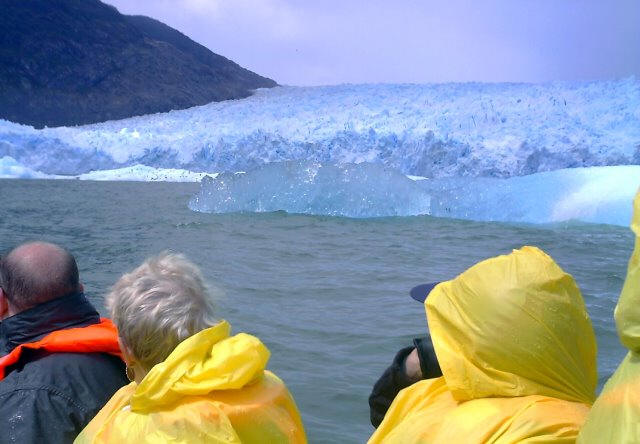
Glacier San Raphael Chile: A view of the face of the glacier as we approach
it in our little rubber boat. That is a big iceberg just ahead.

Glacier San Raphael Chile: John pauses for a chat in German on the chilly
afterdeck.
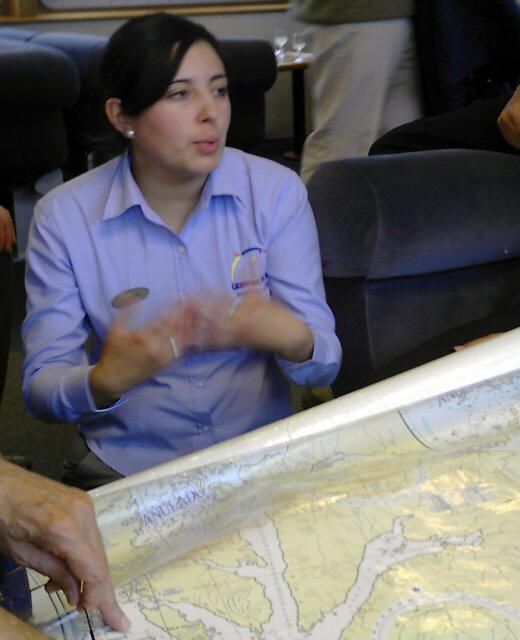
Glacier San Raphael Chile: One of the naturalists explains our passage.
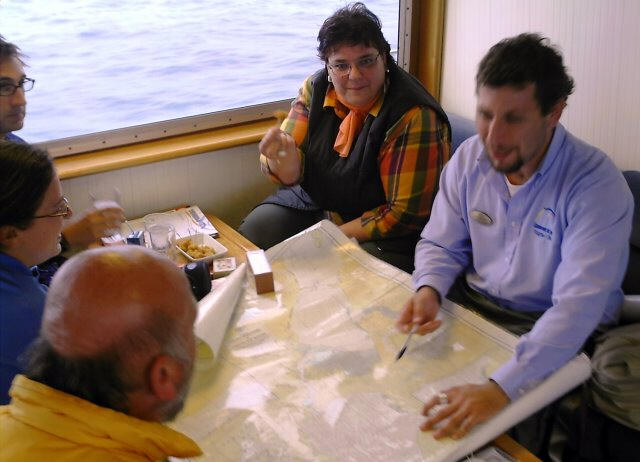
Glacier San Raphael Chile: A crew members discusses the geology of the
region through which our ship navigates.
Glacier San Raphael Chile: One of the naturalists explains our passage.
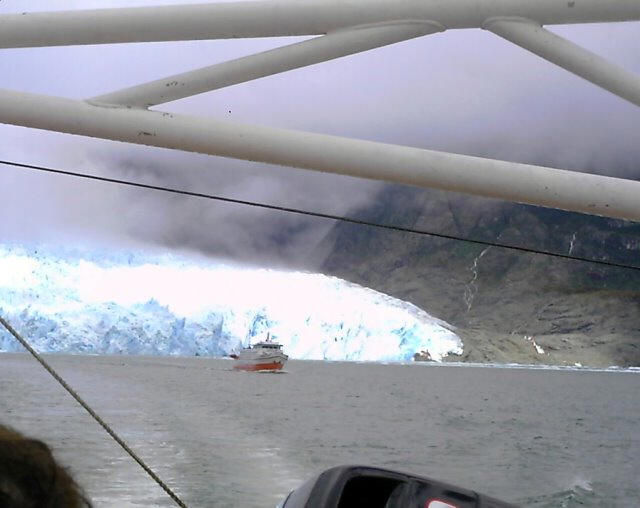
Glacier San Raphael Chile: Another boat passes us on our way back.
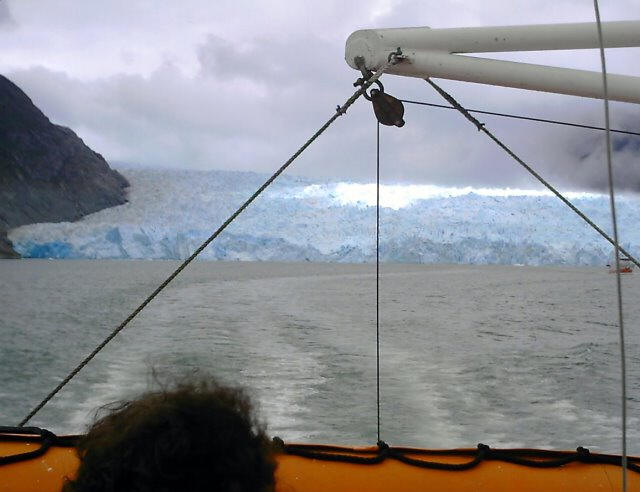
Glacier San Raphael Chile: We leave the glacier and start our trip back.
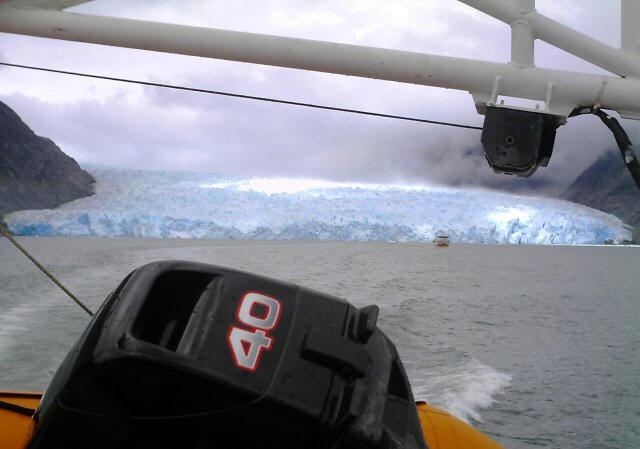
Glacier San Raphael Chile: We
leave the glacier and start our trip back.
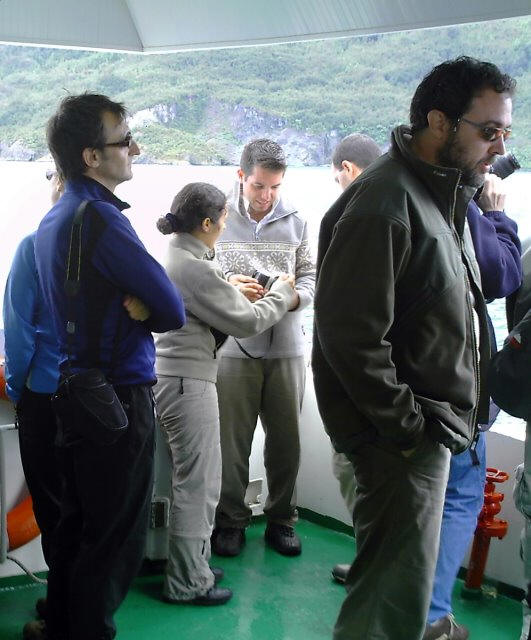
Glacier San Raphael Chile: Passengers linger around the after deck where the
unobstructed views are better.

Glacier San Raphael Chile: Everyone is offering to take pictures of one
another, so I took my turn being a subject, here toasting to returning alive
after the harrowing trip to the glacier face.
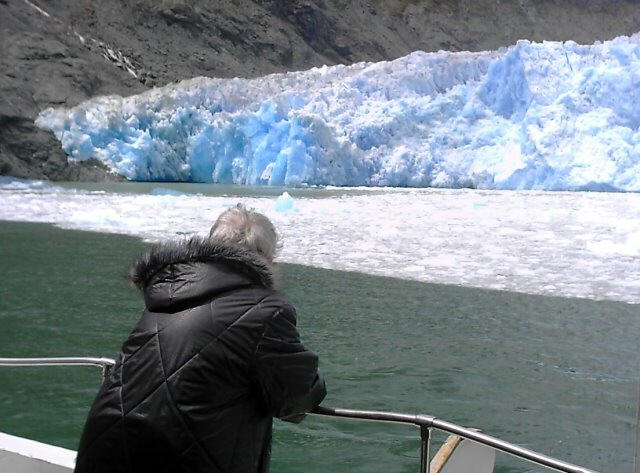
Glacier San Raphael Chile: Another view of the face of the glacier.
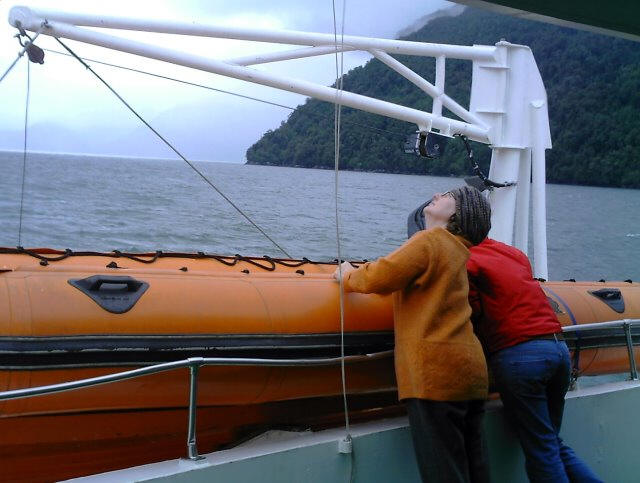
Glacier San Raphael Chile: Passengers linger around the after deck where the
unobstructed views are better.
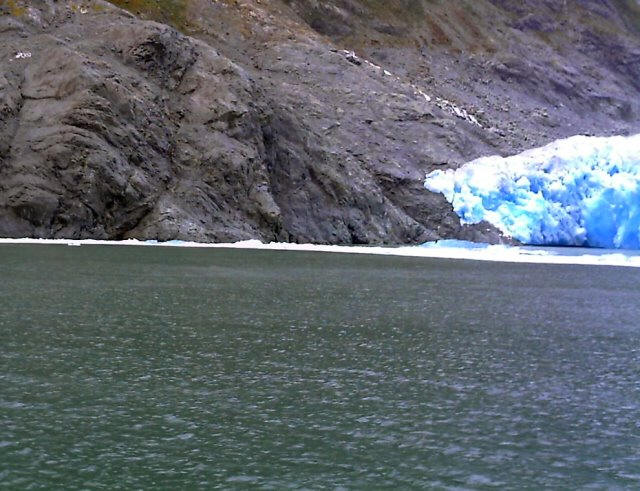
Glacier San Raphael Chile: Passengers move for another view of the left side of the face of the
glacier.

Glacier San Raphael Chile: Passengers linger around the after deck where the
unobstructed views are better.
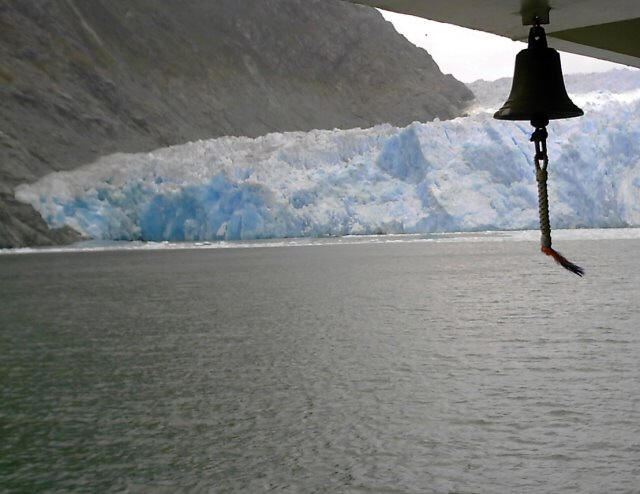
Glacier San Raphael Chile: Another view of the face of the glacier from the
ship's bridge.
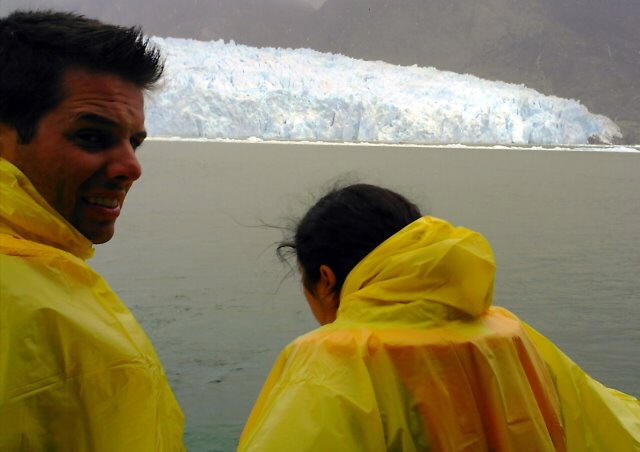
Glacier San Raphael Chile: Another view of the face of the glacier.
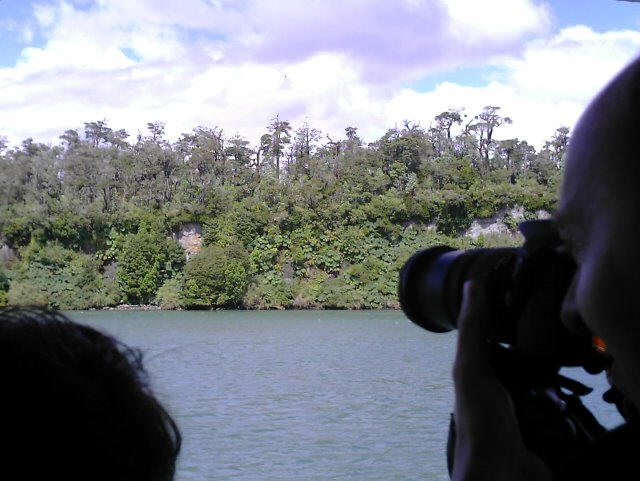
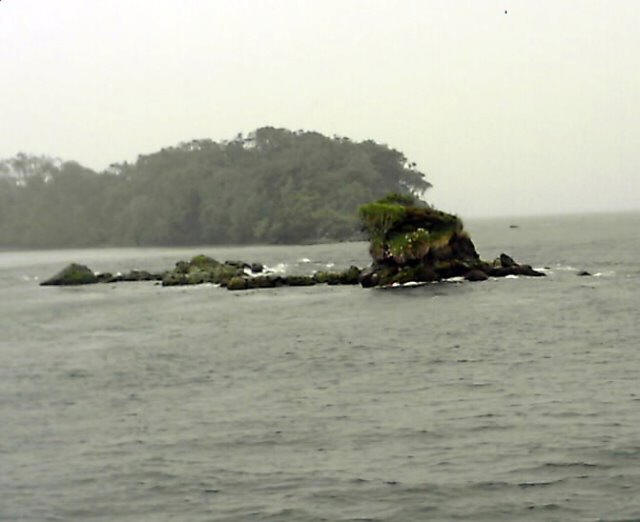
Glacier San Raphael Chile: going and coming we pass hundreds of islands like
this one.

Glacier San Raphael Chile: Passengers linger around the after deck where the
unobstructed views are better for photography.
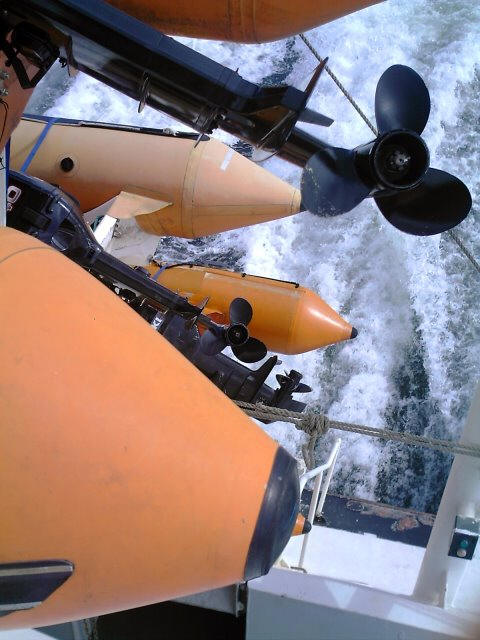
Glacier San Raphael Chile: Stowed Zodiac.
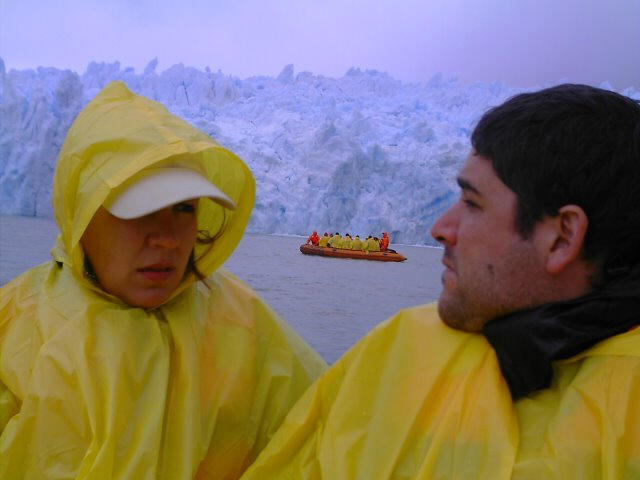
Glacier San Raphael Chile: A view of the face of the glacier as we approach
it in our little rubber boat.
|
Glacier San Rafael Chile
January 29, 2006 - A few more of the photos taken during the trip to
visit the San Rafael Glacier in Chile during late January 2006.
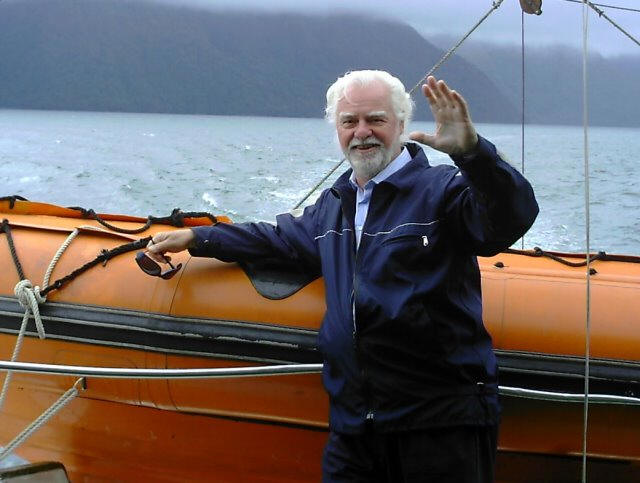
Glacier San Raphael Chile: O.K. O.K. You may play with my little camera.
Here take a picture of me.
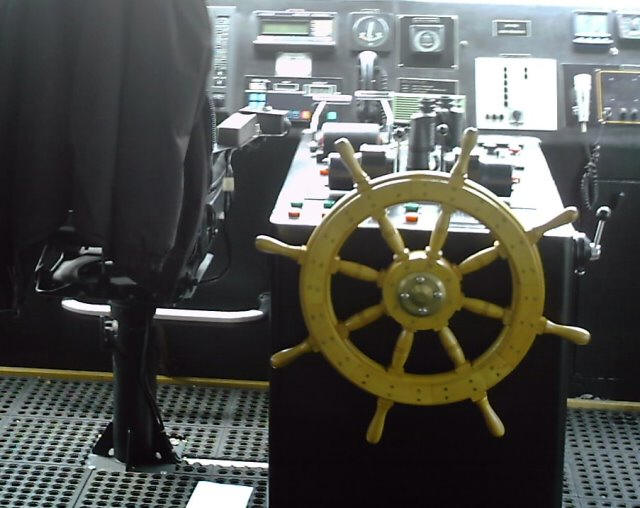
Glacier San Raphael Chile: Inside of the wheelhouse everything is modern,
with every conceivable electronic device a captain might desire.
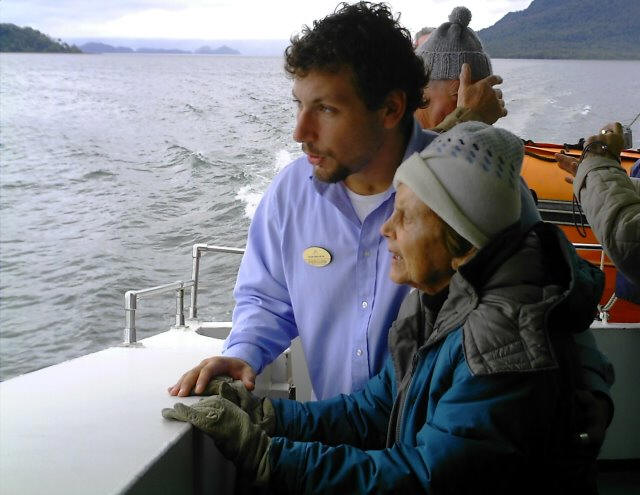
Glacier San Raphael Chile: Shown here on the chilly after deck with her
driver, spunky Mimi Leatherbee is having her adventure.
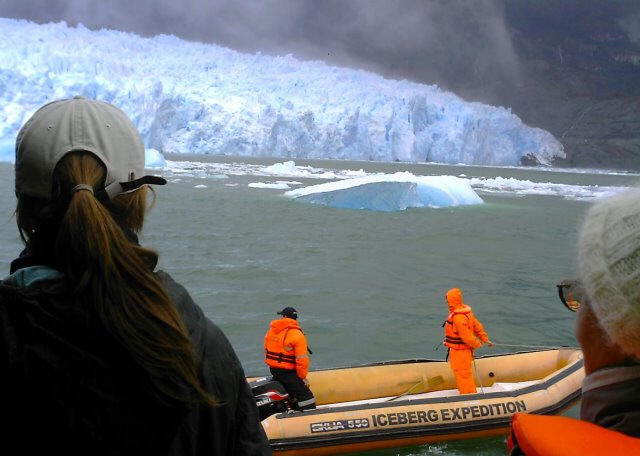
Glacier San Raphael Chile: One of the Zodiac rubber boats used to take
passengers up close to the glacier face. In the background icebergs present
hazards to navigation.
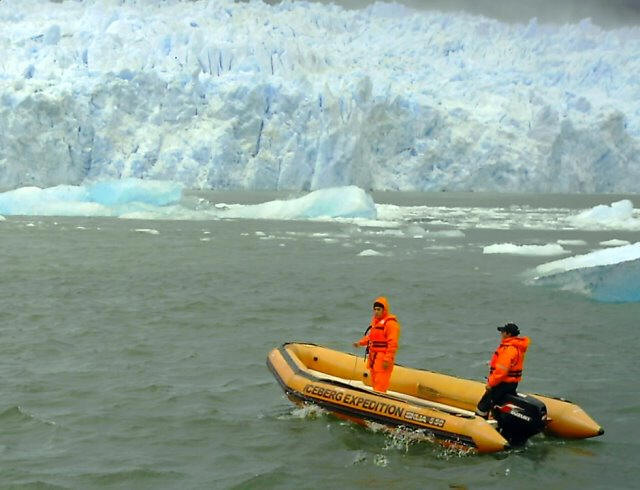
Glacier San Raphael Chile: One of the Zodiac rubber boats used to take
passengers up close to the glacier face. Twelve passengers are crammed into
the little stiff rubber boat in addition to the two crew members.
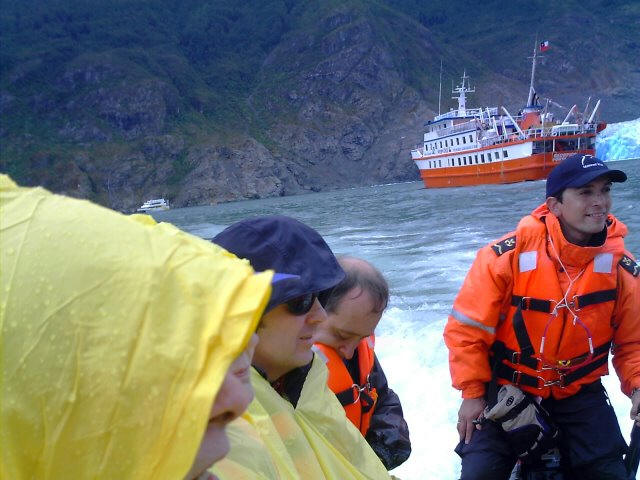
Glacier San Raphael Chile: The captain of our fourteen passenger Zodiac
prepares to take us over to the face of the glacier.
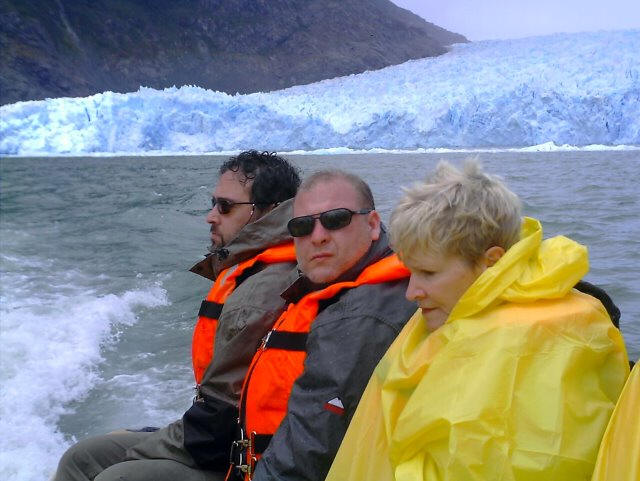
Glacier San Raphael Chile: A view of the face of the glacier as we approach
it in our little rubber boat. Yes, those are worried looks on some of the
passenger's faces.
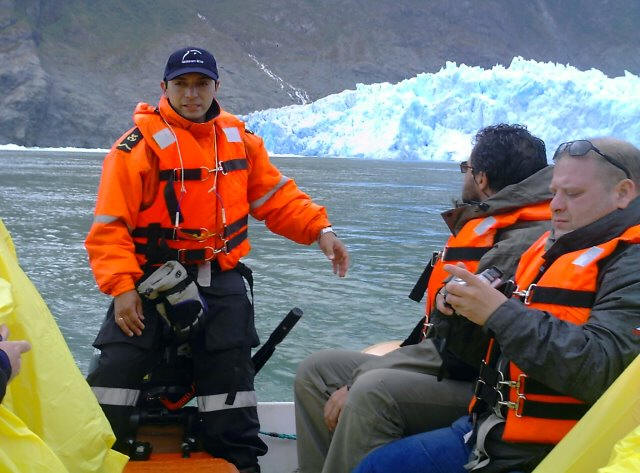
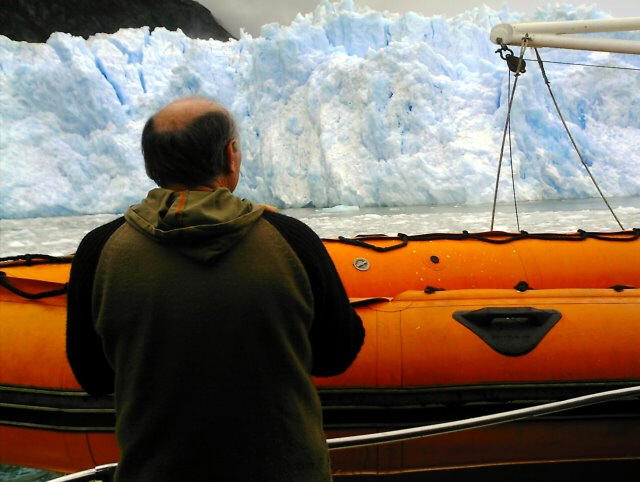
Glacier San Raphael Chile: A view of the face of the glacier as we approach
it in our little rubber boat. The captain stands and reminds us not to stand
up.
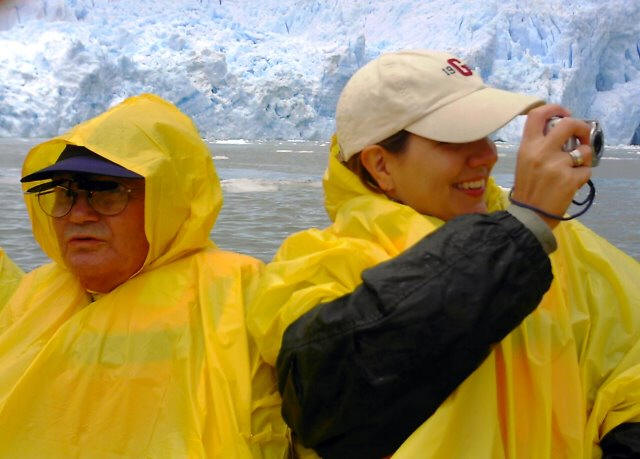
Glacier San Raphael Chile: Another view of the face of the glacier. Most of
us in the boat were snapping pictures as fast as safety would allow.

Glacier San Raphael Chile: Another view of the face of the glacier.
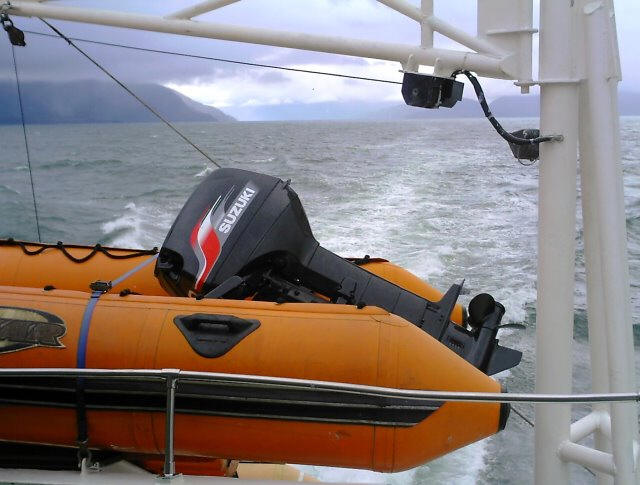
Glacier San Raphael Chile: Looking aft at the ship's wake.
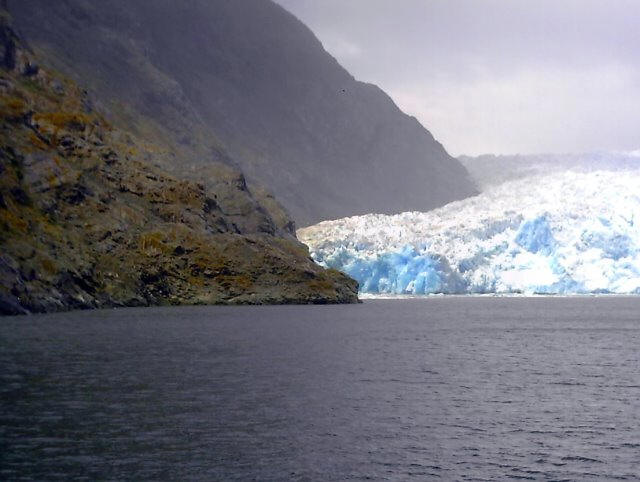
Glacier San Raphael Chile: Another view of the face of the glacier.
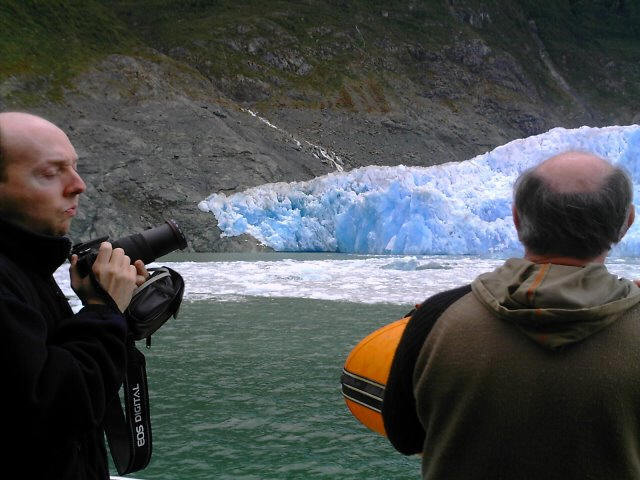
Glacier San Raphael Chile: Passengers linger around the after deck where the
unobstructed views are better.
Glacier San Raphael Chile: Passengers linger around the after deck where the
unobstructed views are better.
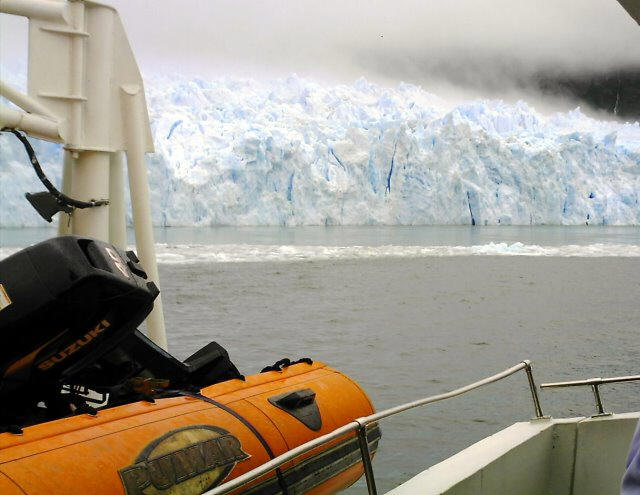
Glacier San Raphael Chile: Another view of the face of the glacier.
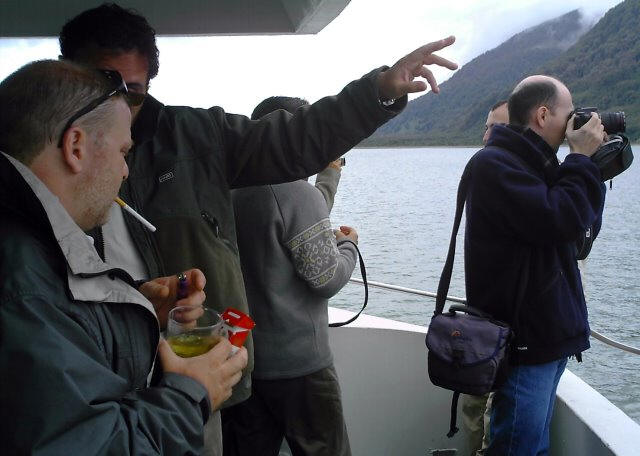
Glacier San Raphael Chile: Passengers linger around the after deck where the
unobstructed views are better.

Glacier San Raphael Chile: Passengers linger around the after deck where the
unobstructed views are better.
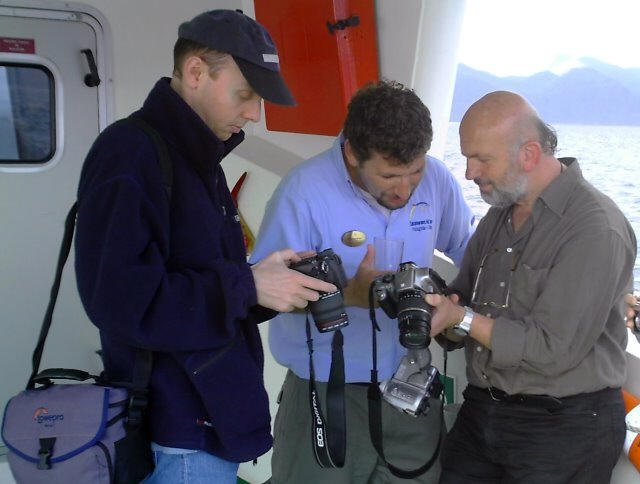
Glacier San Raphael Chile: Passengers linger around the after deck where the
unobstructed views are better for photography
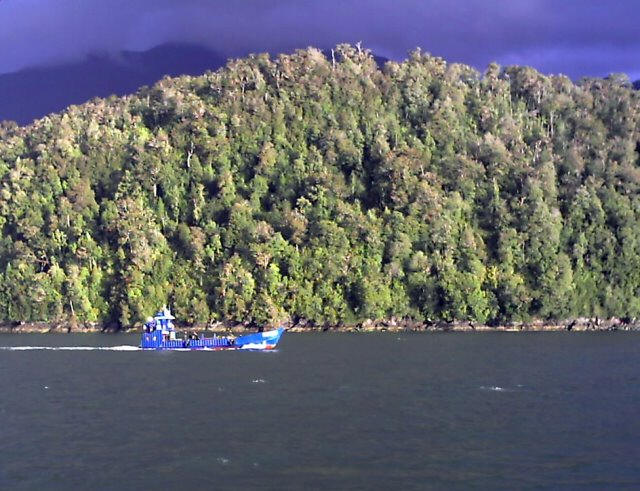
Glacier San Raphael Chile: going and coming we pass hundreds of islands like
this one.
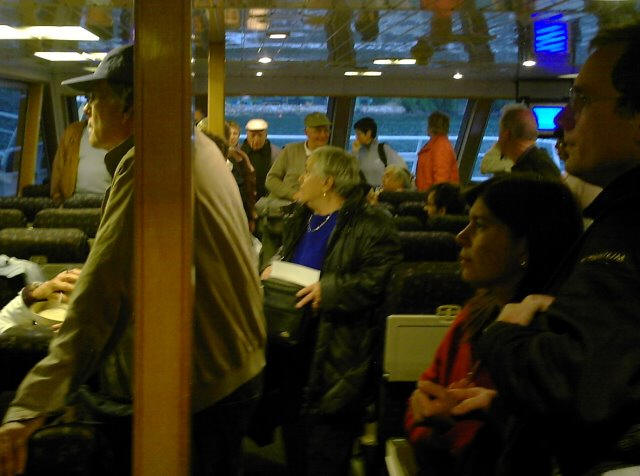
Glacier San Raphael Chile: Passengers prepare to leave the ship at the end
of the cruise.
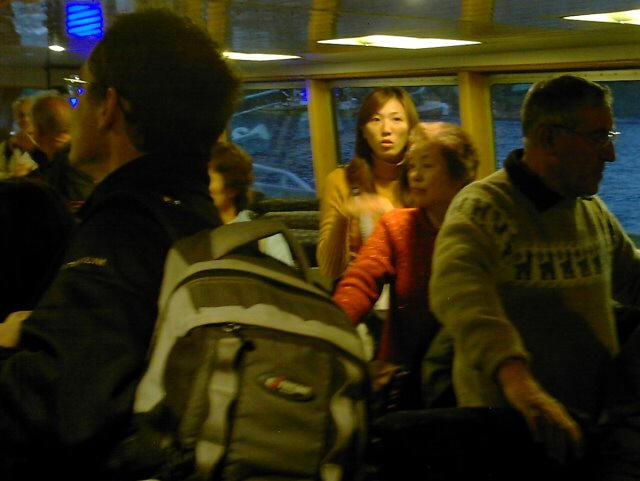
Glacier San Raphael Chile: Passengers prepare to leave the ship at the end
of the cruise.
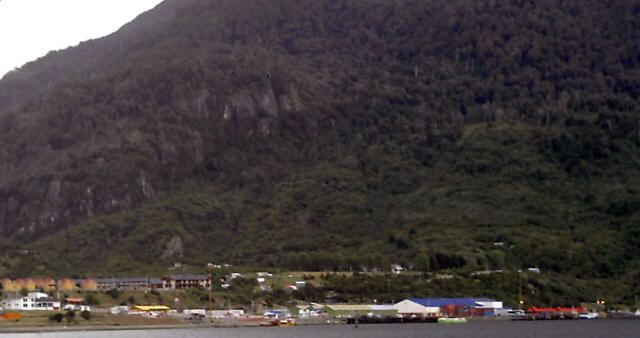
Glacier San Raphael Chile: Finally, we are back at the wharf in Puerto
Chacabuco.
|

Glacier San Raphael Chile: Passengers prepare to board the ship for the San
Rafael Glacier cruise.
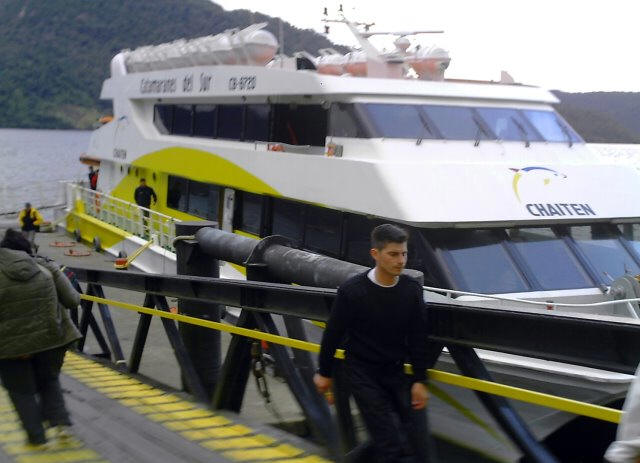
Glacier San Raphael Chile: Passengers prepare to board the ship for the San
Rafael Glacier cruise.
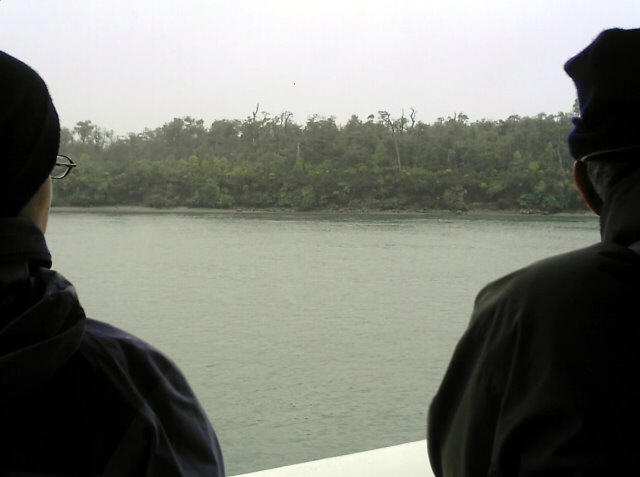
Glacier San Raphael Chile: A view of the shoreline on the way to the
glacier.
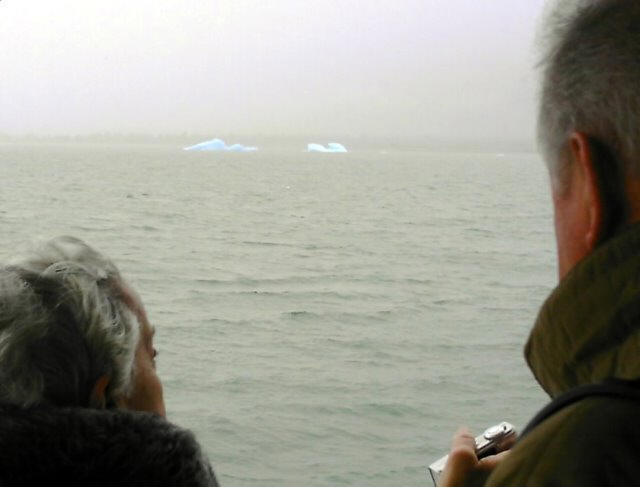
Glacier San Raphael Chile: When icebergs begin to show up in the water we
know we are getting close to the glacier face.
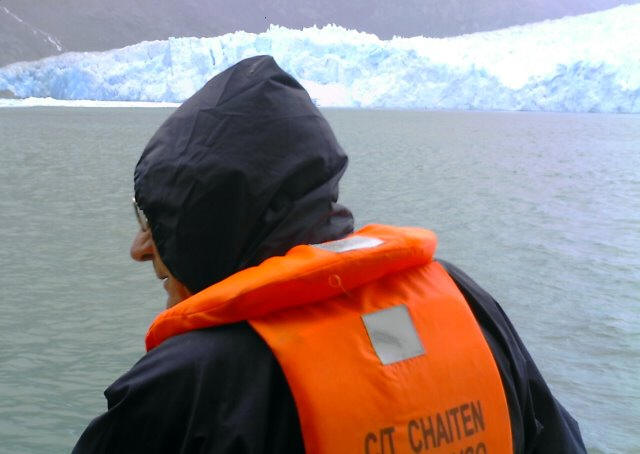
Glacier San Raphael Chile: A view of the face of the glacier.
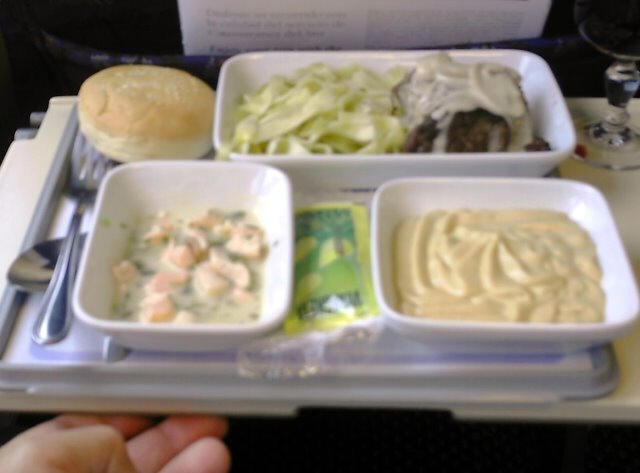
Glacier San Raphael Chile: Airline style lunch aboard the ship.
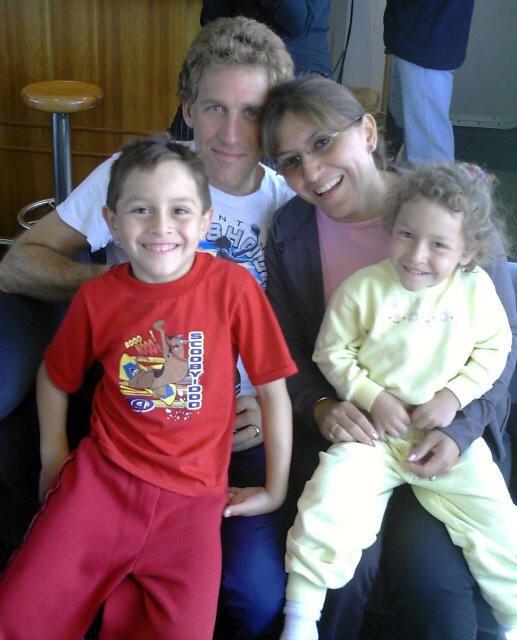
Glacier San Raphael Chile: This lovely family is from Oregon. The kids kept
us all amused much of the voyage

Glacier San Raphael Chile: Passengers waiting their turn to board one of the
Zodiac rubber boats for a close approach to the glacier face.
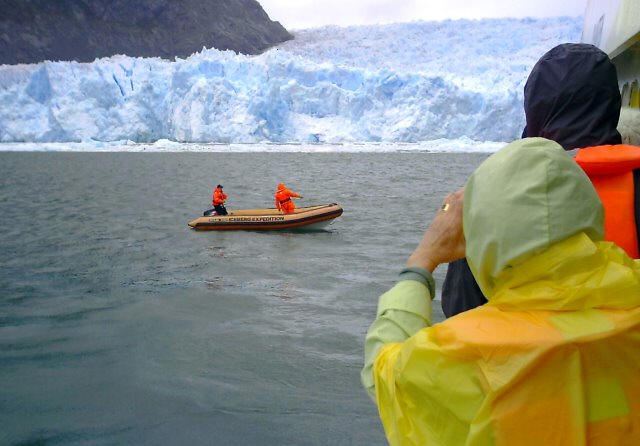
Glacier San Raphael Chile: Passengers waiting their turn to board one of the
Zodiac rubber boats for a close approach to the glacier face.
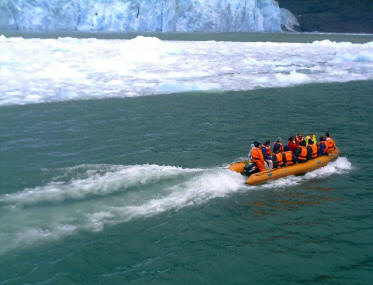
Glacier San Raphael Chile: One of the Zodiac rubber boats used to take
passengers up close to the glacier face.
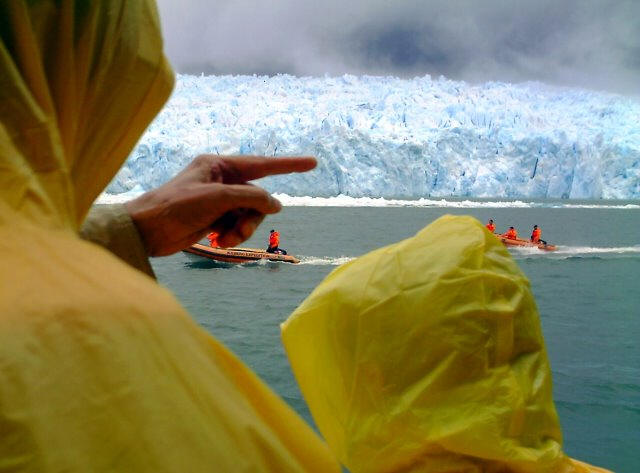
Glacier San Raphael Chile: Another view of the face of the glacier.
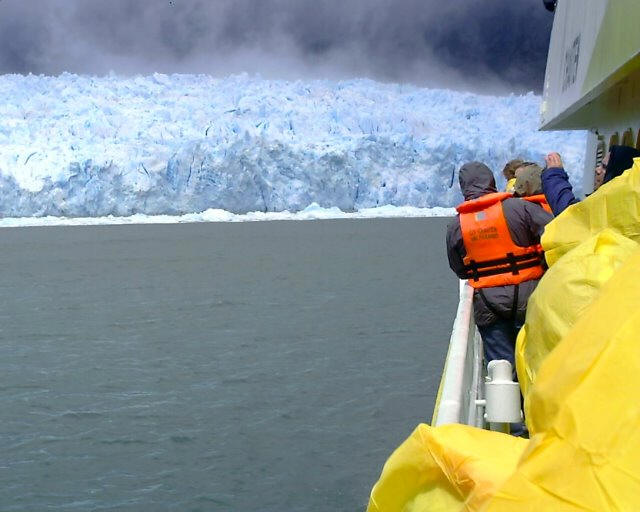
Glacier San Raphael Chile: Another view of the face of the glacier.
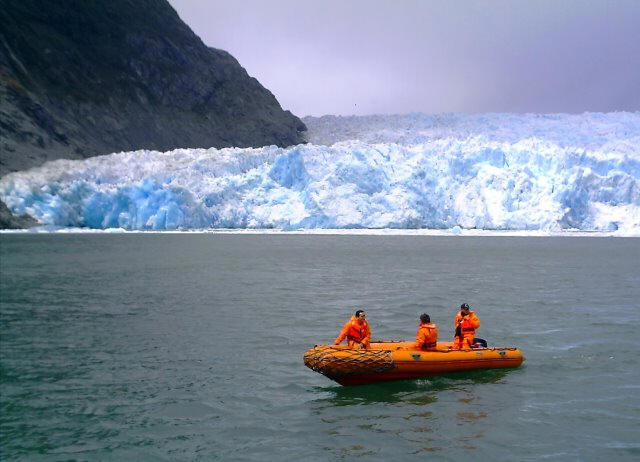
Glacier San Raphael Chile: One of the Zodiac rubber boats used to take
passengers up close to the glacier face.
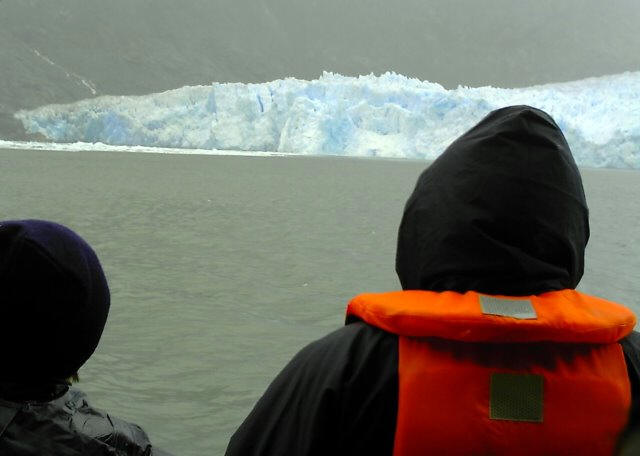
Glacier San Raphael Chile: Passengers put on their life vests in preparation
for a ride in the rubber boats up to the face of the glacier.
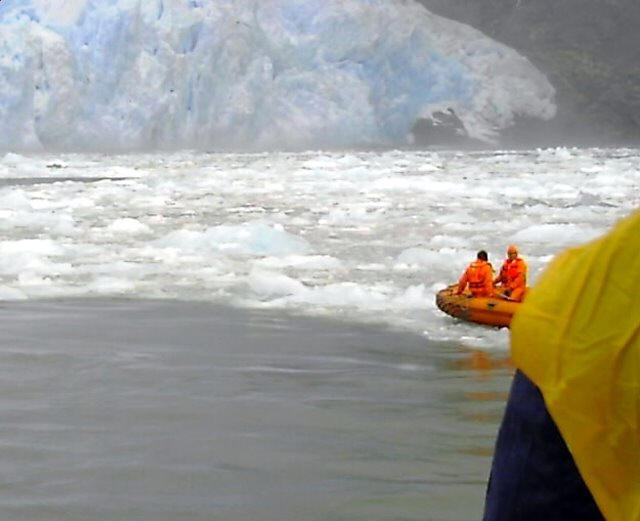
Glacier San Raphael Chile: One of the Zodiac rubber boats used to take
passengers up close to the glacier face.
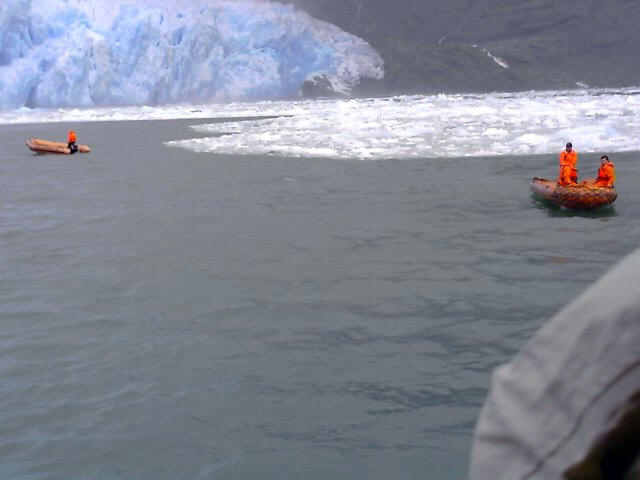
Glacier San Raphael Chile: One of the Zodiak rubber boats used to take
passengers up close to the glacier face.
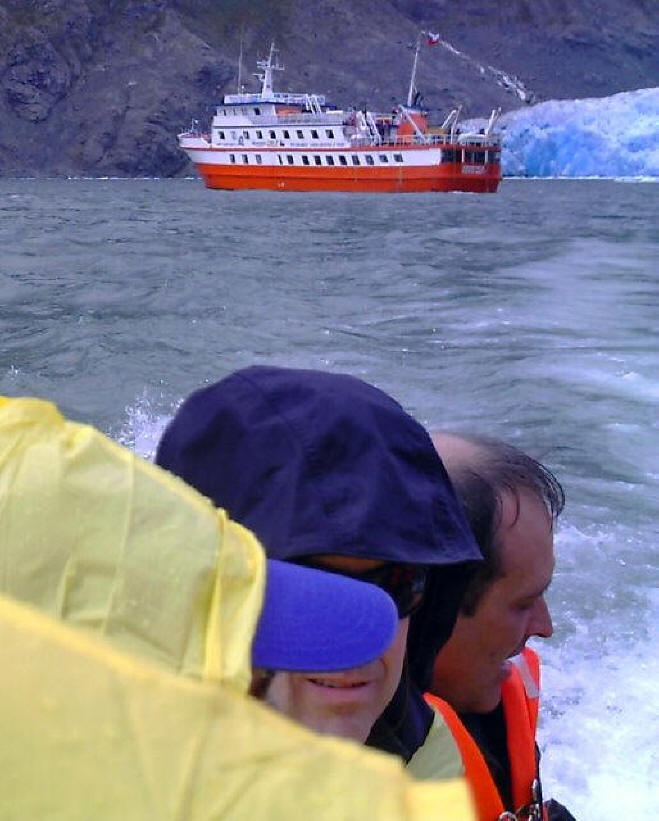
Glacier San Raphael Chile: One of the several other boats that joined us in
the lagoon.
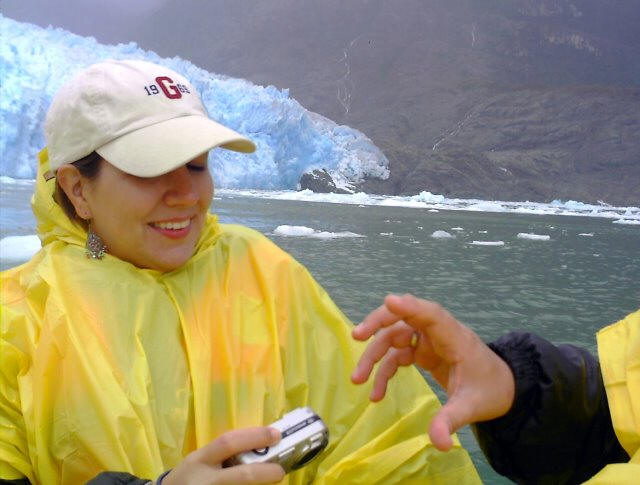
Glacier San Raphael Chile: A view of the face of the glacier as we approach
it in our little rubber boat. The very unstable platform made photography
difficult.

Glacier San Raphael Chile: A view of the face of the glacier as we approach
it in our little rubber boat. Hey! No one expects me to smile here, right?
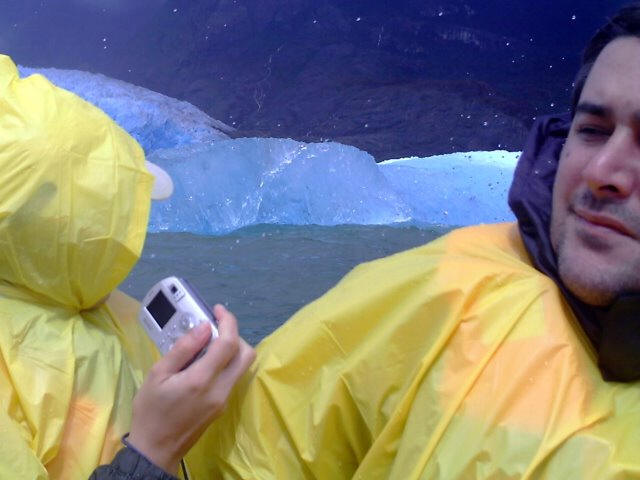
Glacier San Raphael Chile: A view of the face of the glacier as we approach
it in our little rubber boat.
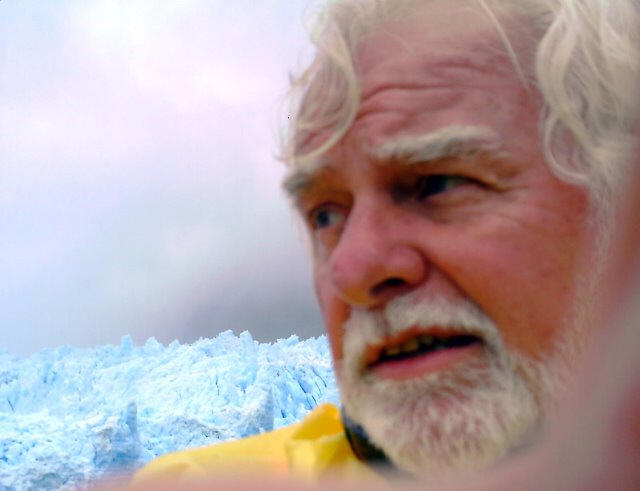
Glacier San Raphael Chile: A view of the face of the glacier as we approach
it in our little rubber boat. Hey! No one expects me to smile here, right?
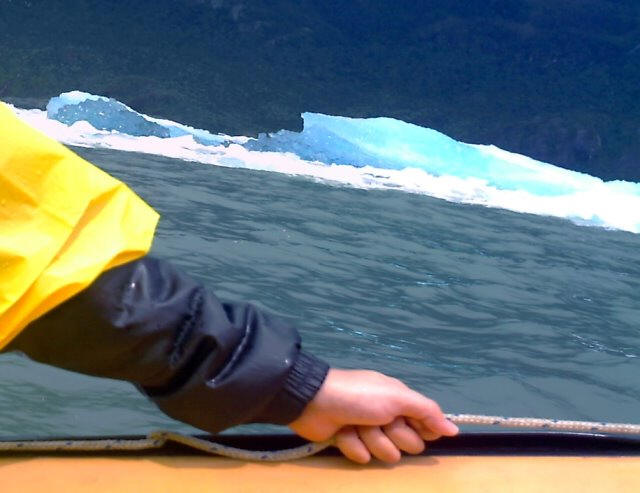
Glacier San Raphael Chile: We pass a big iceberg on the way to the face of
the glacier in our little rubber boat. Most of the passengers had white
knuckles by the end of the half hour episode.

Glacier San Raphael Chile: A view of the face of the glacier as we approach
it in our little rubber boat.

Glacier San Raphael Chile: Our little rubber boat captain brings us close to
the face of the glacier.
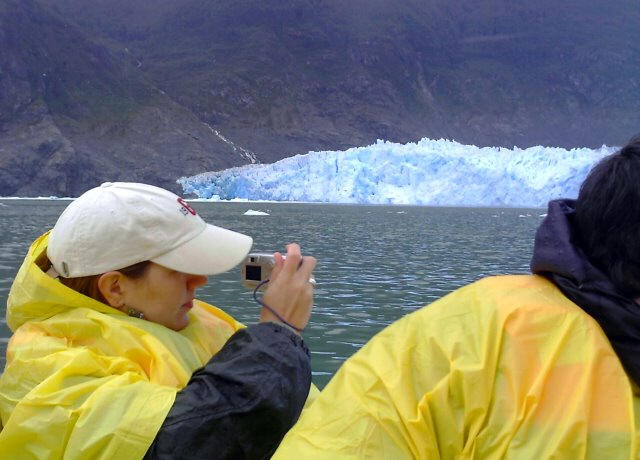
Glacier San Raphael Chile: A view of the face of the glacier as we approach
it in our little rubber boat.

Glacier San Raphael Chile: A view of the face of the glacier as we approach
it in our little rubber boat.
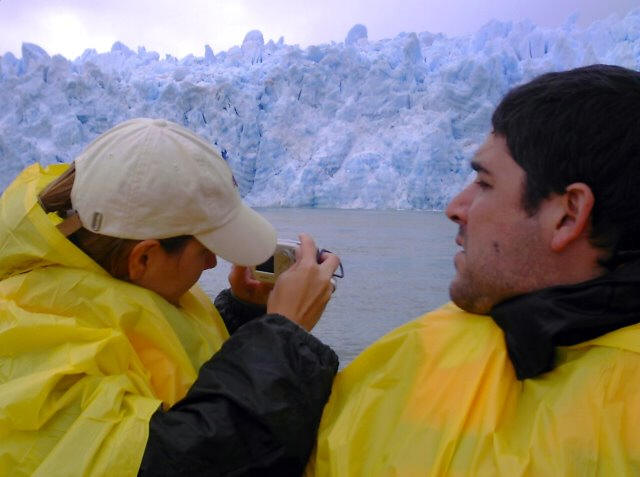
Glacier San Raphael Chile: A view of the face of the glacier as we approach
it in our little rubber boat.

Glacier San Raphael Chile: A view of the face of the glacier as we approach
it in our little rubber boat.

Glacier San Raphael Chile: A view of the face of the glacier as we approach
it in our little rubber boat.
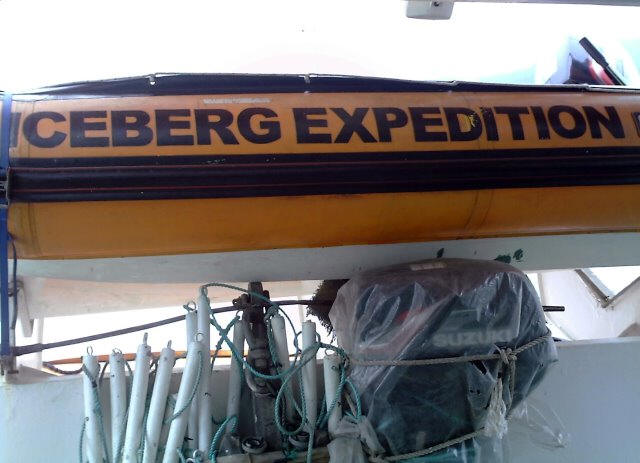
Glacier San Raphael Chile: Stowed Zodiac.
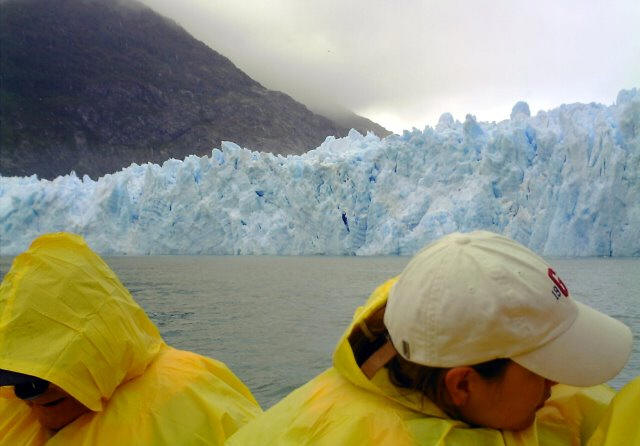
Glacier San Raphael Chile: A view of the face of the glacier as we approach
it in our little rubber boat.
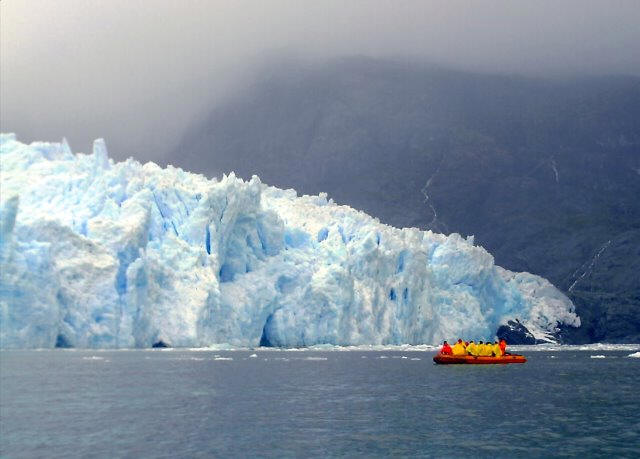
Glacier San Raphael Chile: A view of the face of the glacier as we approach
it in our little rubber boat.
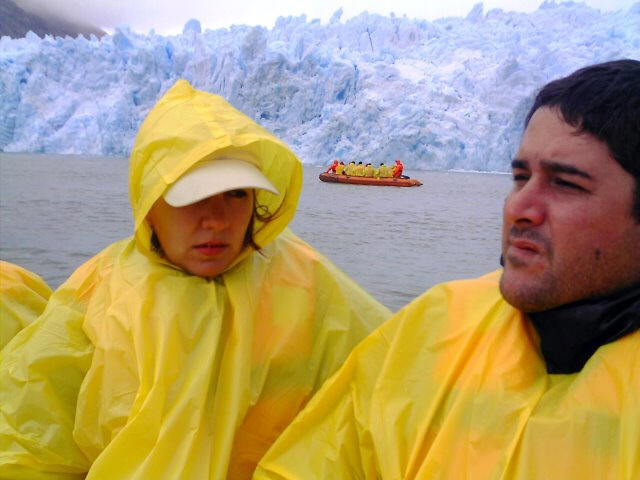
Glacier San Raphael Chile: A view of the face of the glacier as we approach
it in our little rubber boat.
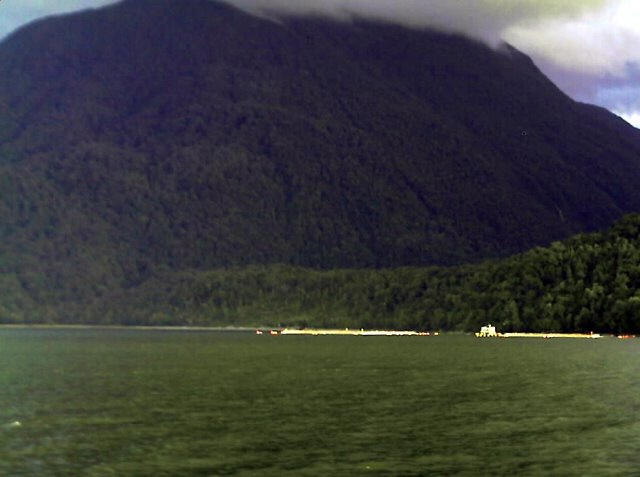
Glacier San Raphael Chile: going and coming we pass hundreds of islands like
this one.
|
|
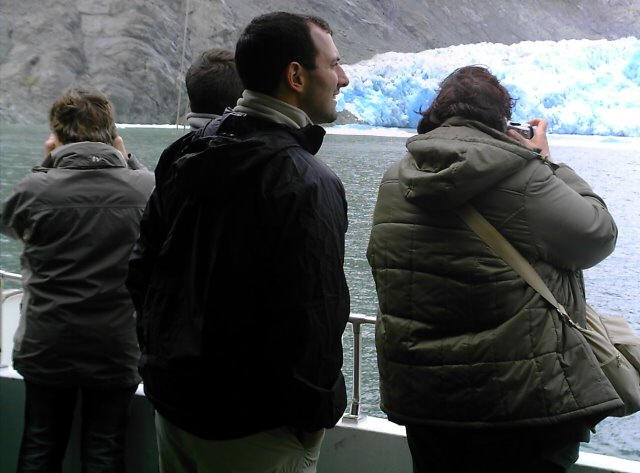
Glacier San Raphael Chile: Passengers linger around the after deck where the
unobstructed views are better.
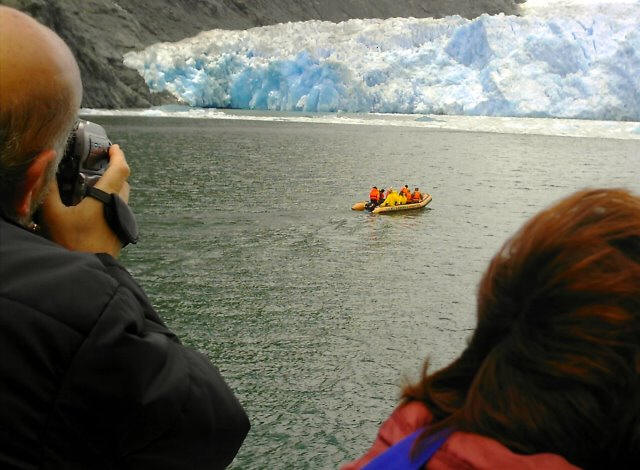
Glacier San Raphael Chile: One of the Zodiak rubber boats used to take
passengers up close to the glacier face.
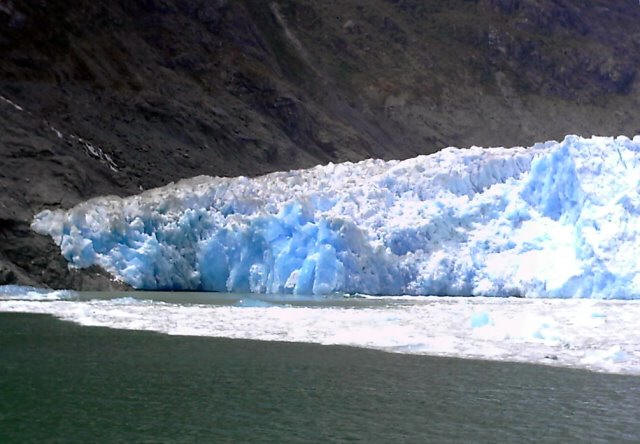
Glacier San Raphael Chile: Another view of the face of the glacier.
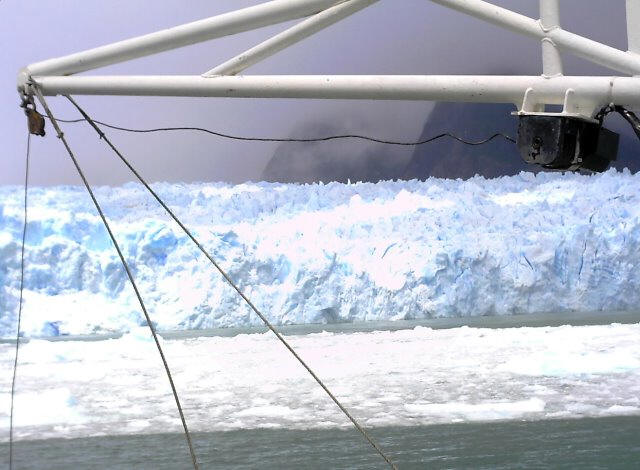
Glacier San Raphael Chile: Another view of the face of the glacier.
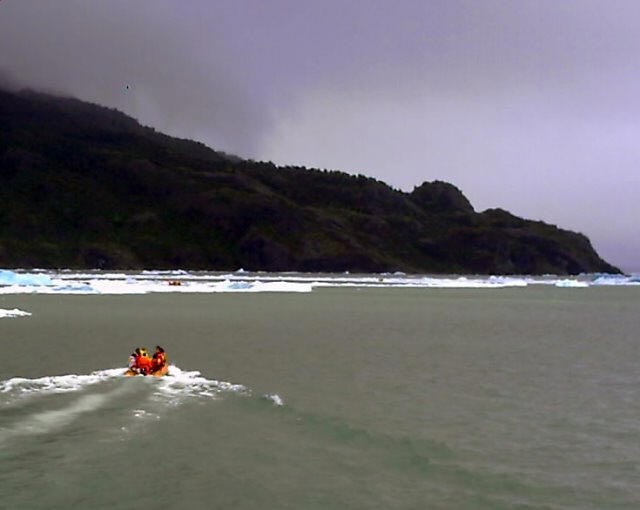
Glacier San Raphael Chile: One of the Zodiak rubber boats used to take
passengers up close to the glacier face.
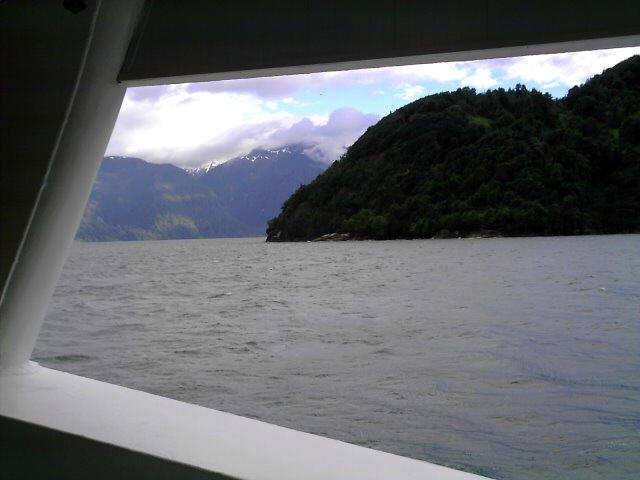
Glacier San Raphael Chile: Another view of the face of the glacier.
|

Glacier San Raphael Chile: Passengers linger around the after deck where the
unobstructed views are better.

Glacier San Raphael Chile: Canyon wall to the left of the glacier face.
Signs showing the location of the glacier in prior years are posted along
the wall.
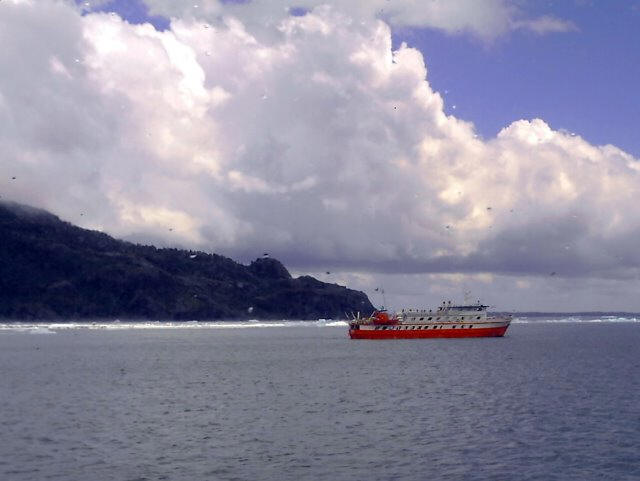
Glacier San Raphael Chile: Another boat passes us on our way back.
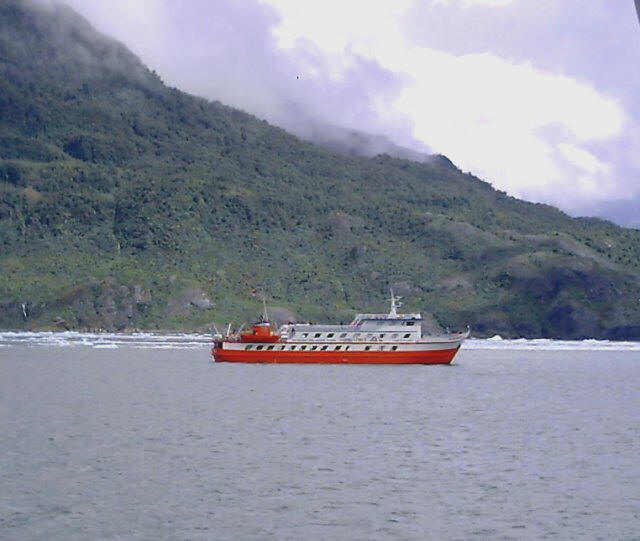
Glacier San Raphael Chile: Another boat passes us on our way back.
|
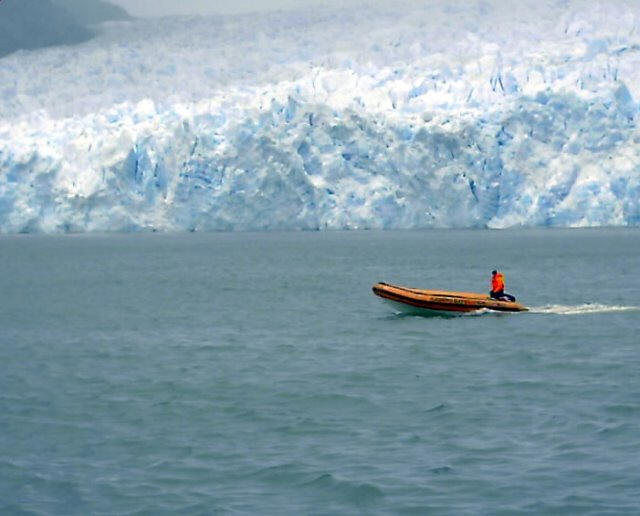
Glacier San Raphael Chile: Another view of the face of the glacier.
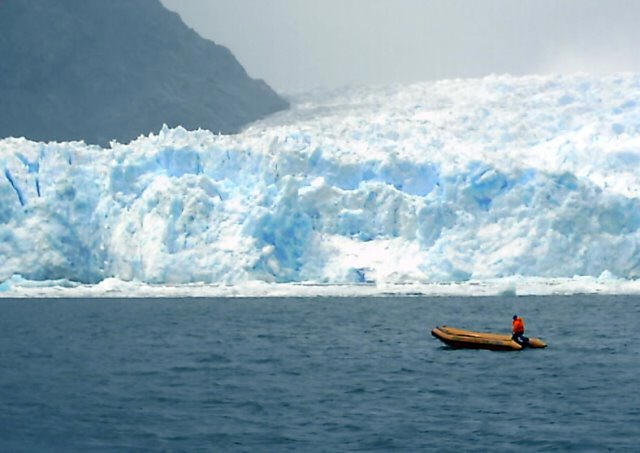
Glacier San Raphael Chile: Another view of the face of the glacier.
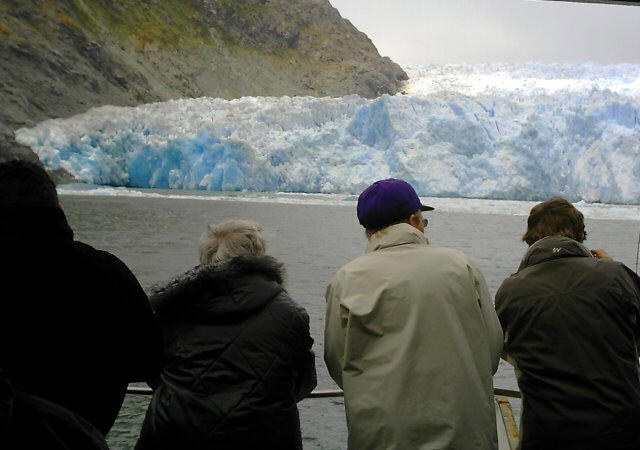
Glacier San Raphael Chile: Another view of the face of the glacier.
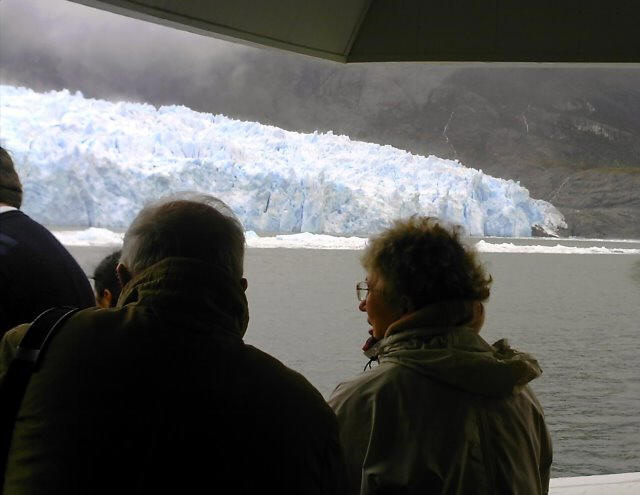
Glacier San Raphael Chile: Another view of the face of the glacier.
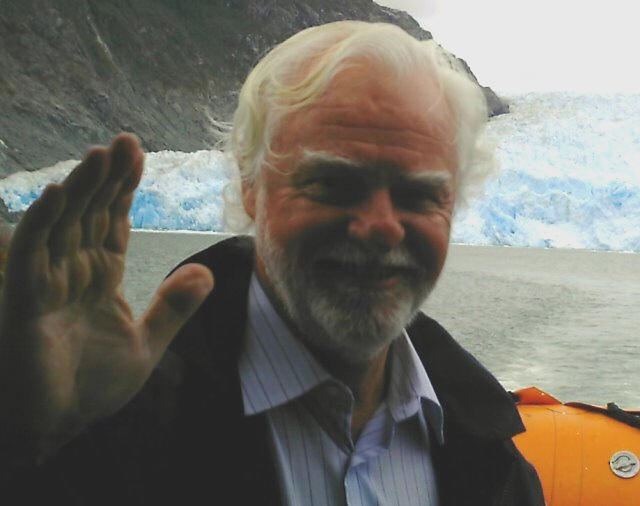
Glacier San Raphael Chile: Everyone is offering to take pictures of one
another, so I took my turn being a subject.
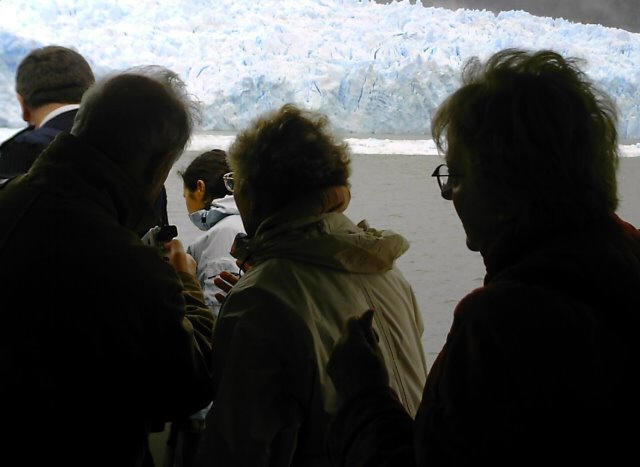
Glacier San Raphael Chile: Passengers linger around the after deck where the
unobstructed views are better.
|
|
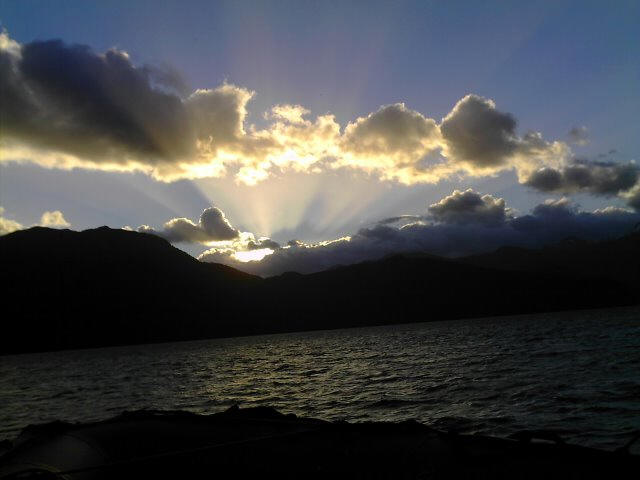
Glacier San Raphael Chile: Toward the end of our 13 hours on the
inter-island channels a spectacular sunset crept upon us. For nearly an hour
the skies all around us provided irresistible photo opportunities.
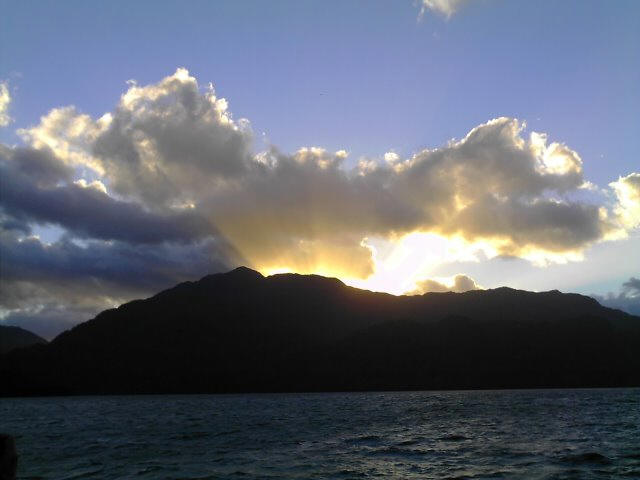
Glacier San Raphael Chile: Toward the end of our 13 hours on the
inter-island channels a spectacular sunset crept upon us. I joined a crammed
after deck full of other photographers snapping pictures.
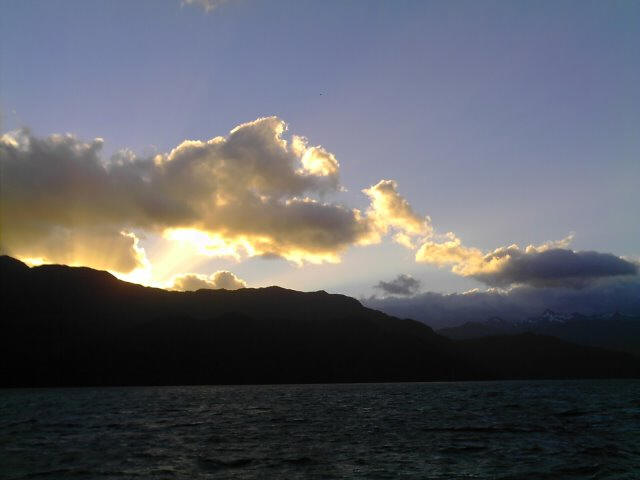
Glacier San Raphael Chile: Toward the end of our 13 hours on the
inter-island channels a spectacular sunset crept upon us. For nearly an hour
the skies all around us provided irresistible photo opportunities.
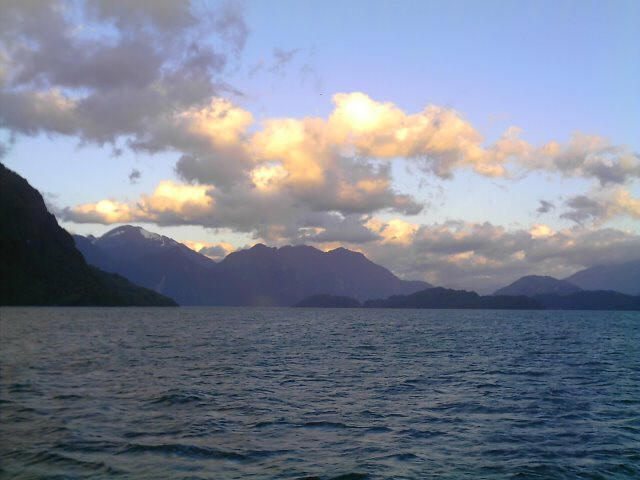
Glacier San Raphael Chile: Toward the end a spectacular sunset crept upon us.
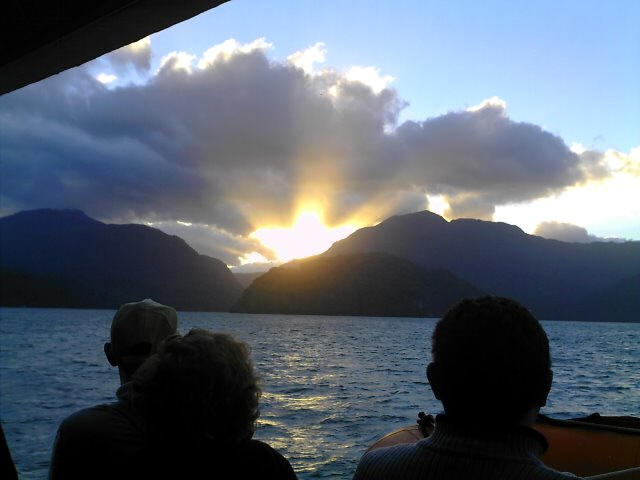
Glacier San Raphael Chile: Toward the end of our 13 hours on the
inter-island channels a spectacular sunset crept upon us. For nearly an hour
the skies all around us provided irresistible photo opportunities.
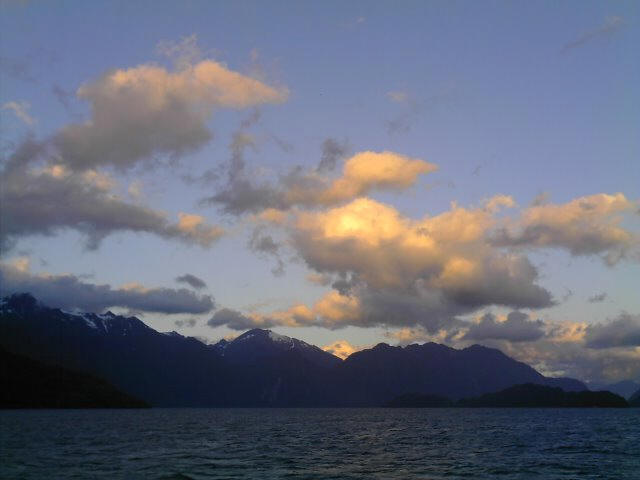
Glacier San Raphael Chile: Toward the end a spectacular sunset crept upon us.
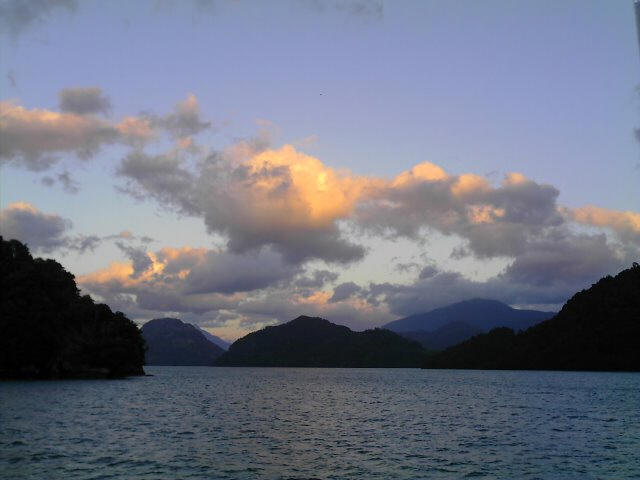
Glacier San Raphael Chile: Toward the end of our 13 hours on the
inter-island channels a spectacular sunset crept upon us. For nearly an hour
the skies all around us provided irresistible photo opportunities.
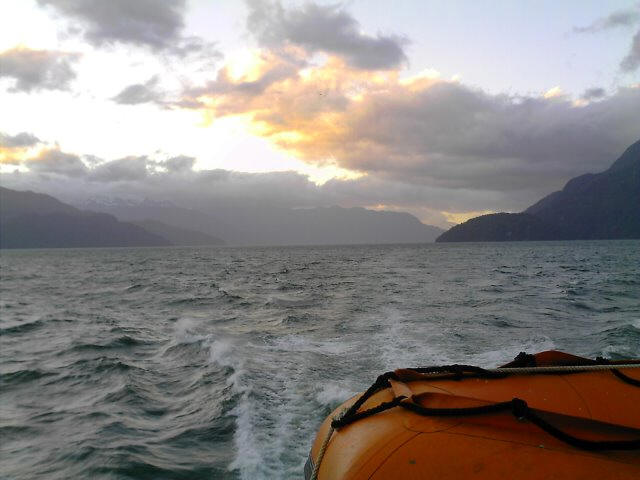
Glacier San Raphael Chile: Toward the end of our 13 hours on the
inter-island channels a spectacular sunset crept upon us. For nearly an hour
the skies all around us provided irresistible photo opportunities.
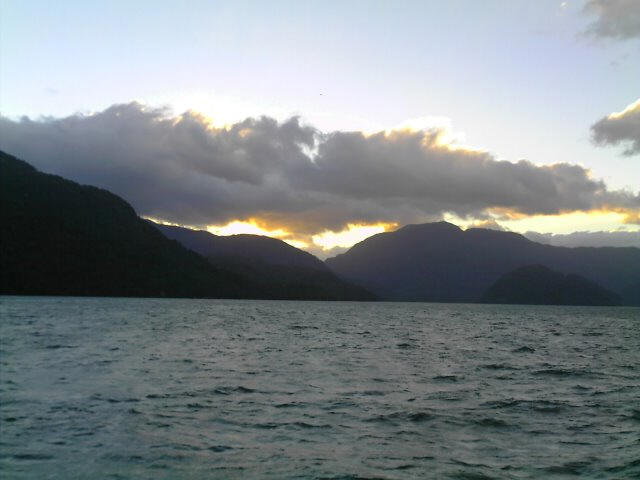
Glacier San Raphael Chile: Toward the end of our 13 hours on the
inter-island channels a spectacular sunset crept upon us. For nearly an hour
the skies all around us provided irresistible photo opportunities.
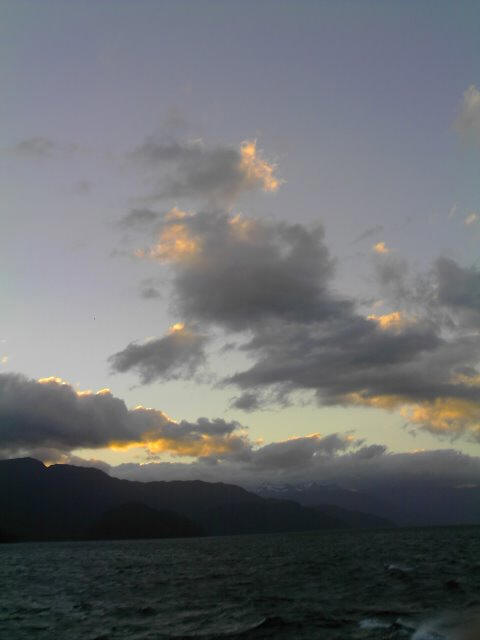
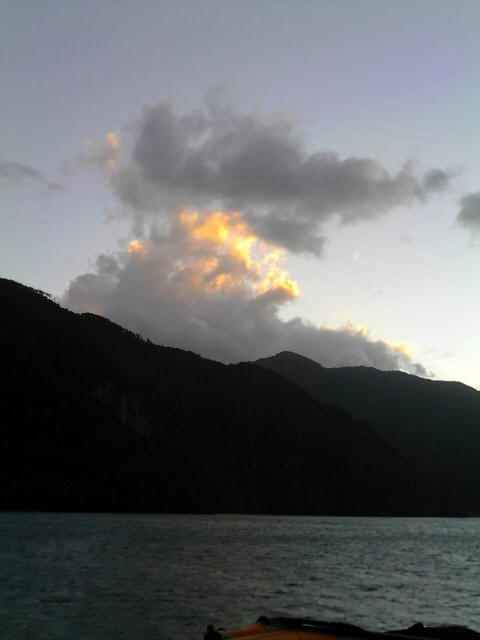
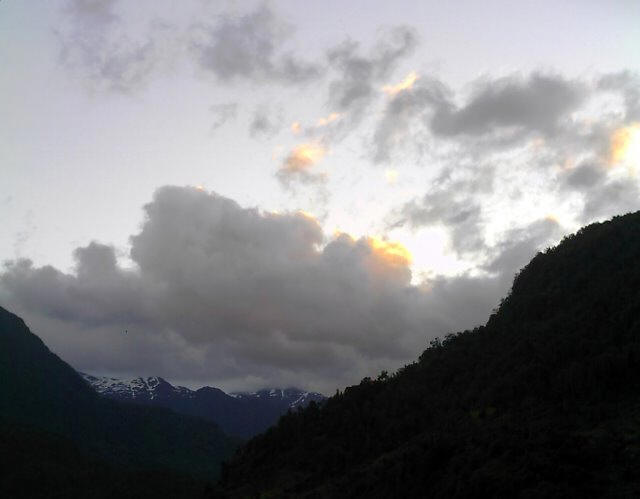
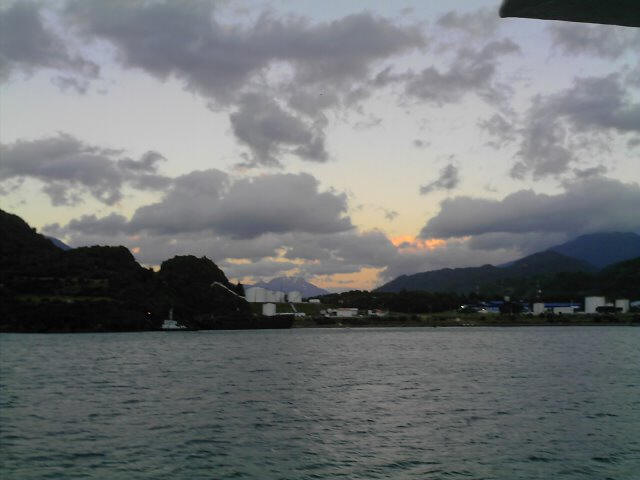
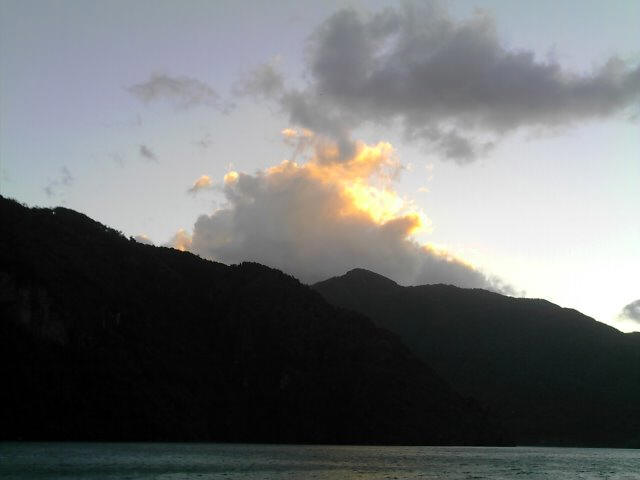
|
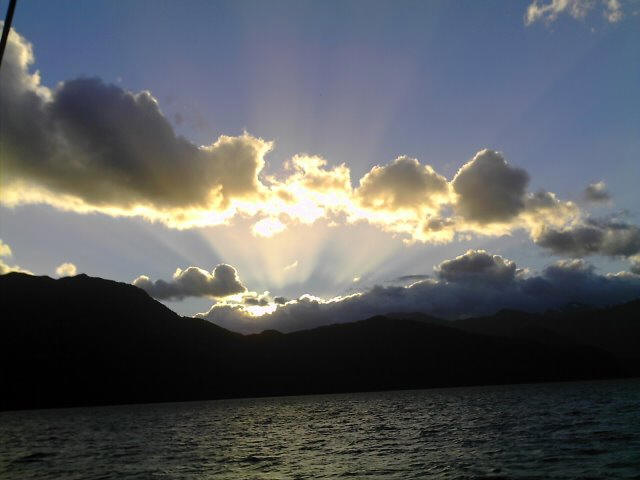
Glacier San Raphael Chile: Toward the end of our 13 hours on the
inter-island channels a spectacular sunset crept upon us. For nearly an hour
the skies all around us provided irresistible photo opportunities.
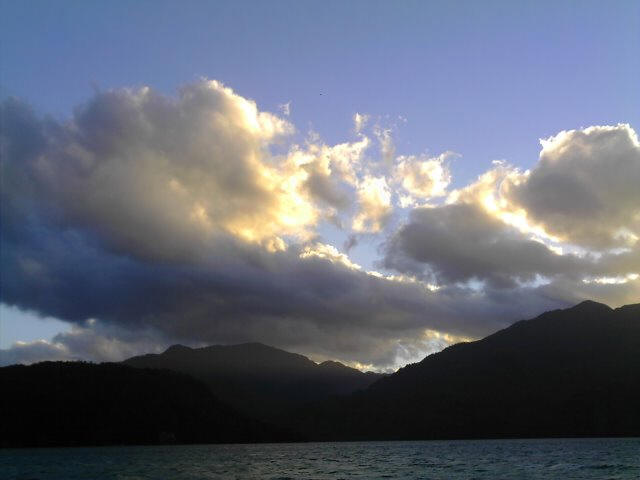
Glacier San Raphael Chile: Toward the end of our 13 hours on the
inter-island channels a spectacular sunset crept upon us. For nearly an hour
the skies all around us provided irresistible photo opportunities.

Glacier San Raphael Chile: Toward the end of our 13 hours on the
inter-island channels a spectacular sunset crept upon us. For nearly an hour
the skies all around us provided irresistible photo opportunities.
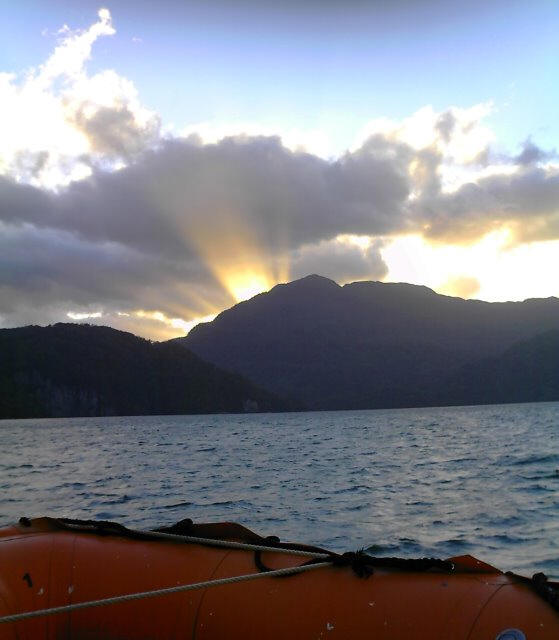
Glacier San Raphael Chile: Toward the end of our 13 hours on the
inter-island channels a spectacular sunset crept upon us. For nearly an hour
the skies all around us provided irresistible photo opportunities.
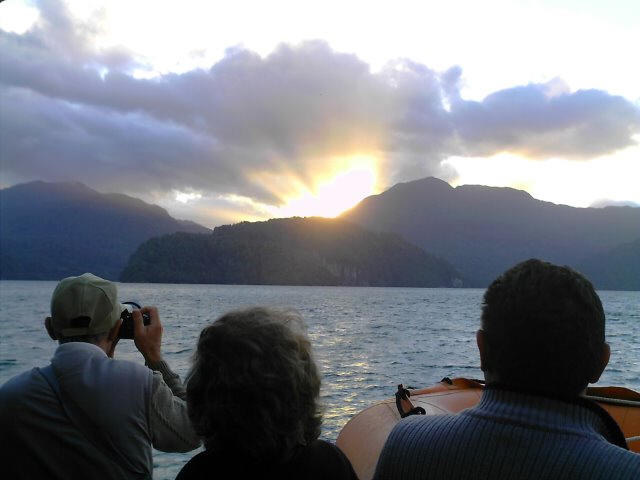
Glacier San Raphael Chile: Toward the end of our 13 hours on the
inter-island channels a spectacular sunset crept upon us. For nearly an hour
the skies all around us provided irresistible photo opportunities.
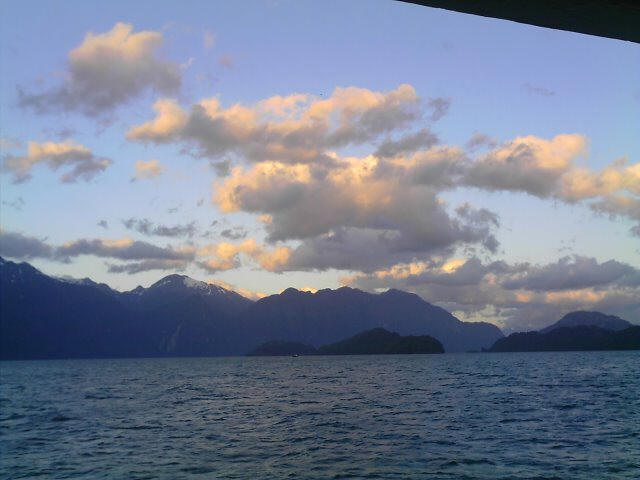
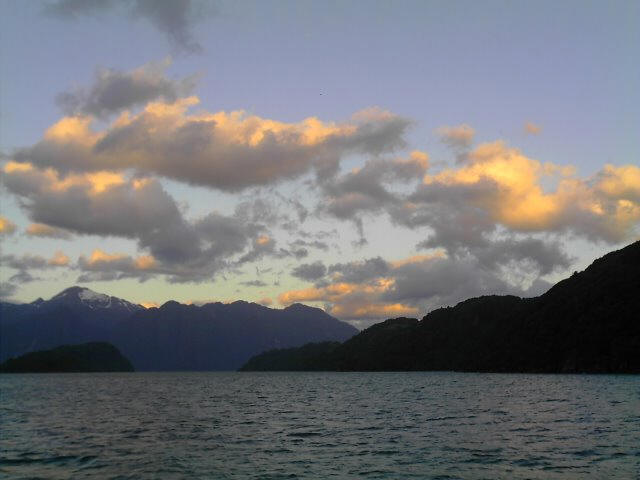
|
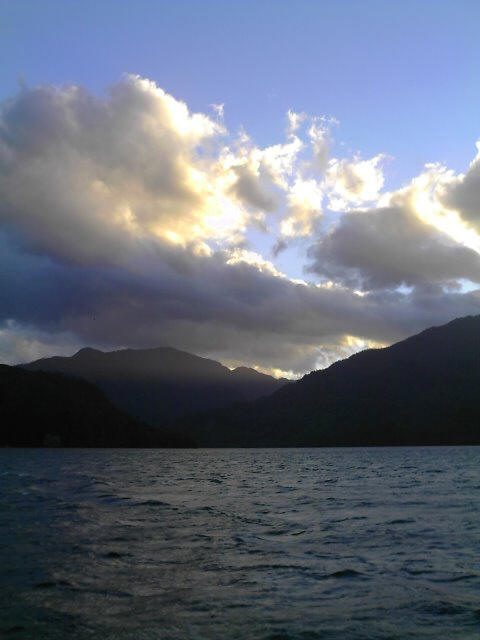
Glacier San Raphael Chile: Toward the end of our 13 hours on the
inter-island channels a spectacular sunset crept upon us. For nearly an hour
the skies all around us provided irresistible photo opportunities.
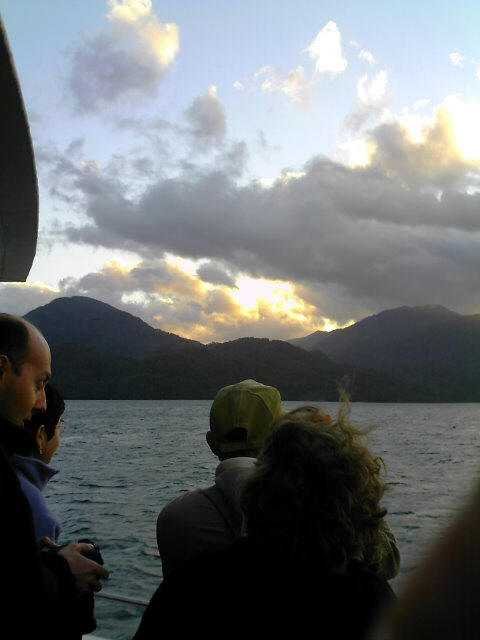
Glacier San Raphael Chile: Toward the end of our 13 hours on the
inter-island channels a spectacular sunset crept upon us. For nearly an hour
the skies all around us provided irresistible photo opportunities.
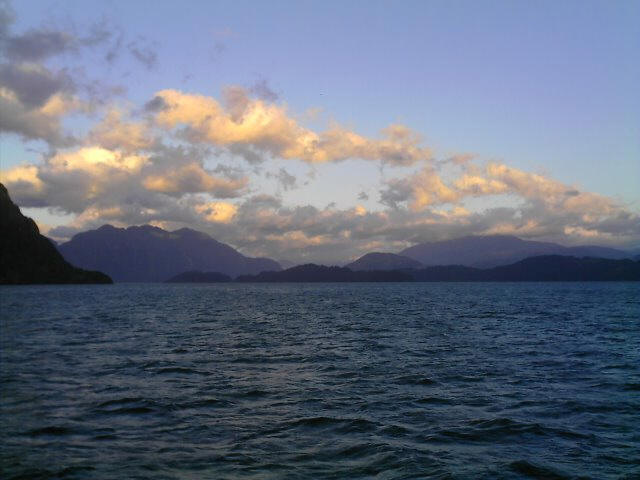
Glacier San Raphael Chile: Toward the end of our 13 hours on the
inter-island channels a spectacular sunset crept upon us. For nearly an hour
the skies all around us provided irresistible photo opportunities.
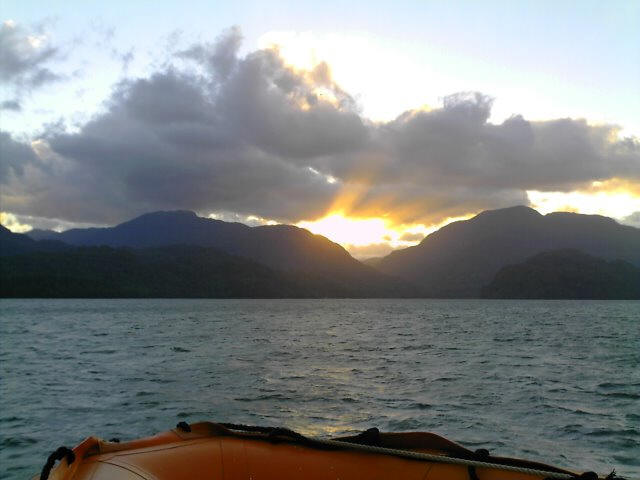
Glacier San Raphael Chile: Toward the end of our 13 hours on the
inter-island channels a spectacular sunset crept upon us. For nearly an hour
the skies all around us provided irresistible photo opportunities.
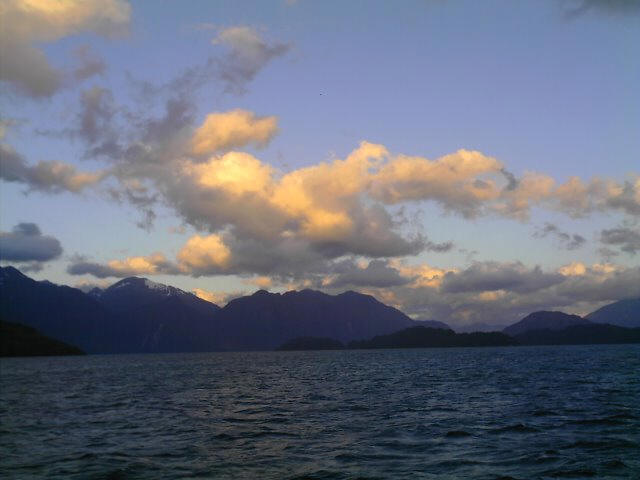
Glacier San Raphael Chile: Toward the end of our 13 hours on the
inter-island channels a spectacular sunset crept upon us. For nearly an hour
the skies all around us provided irresistible photo opportunities.

Glacier San Raphael Chile: Toward the end of our 13 hours on the
inter-island channels a spectacular sunset crept upon us. For nearly an hour
the skies all around us provided irresistible photo opportunities.
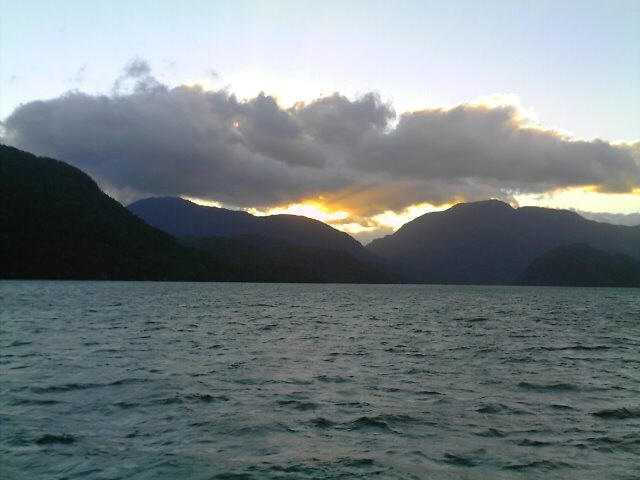
Glacier San Raphael Chile: Toward the end of our 13 hours on the
inter-island channels a spectacular sunset crept upon us. For nearly an hour
the skies all around us provided irresistible photo opportunities.
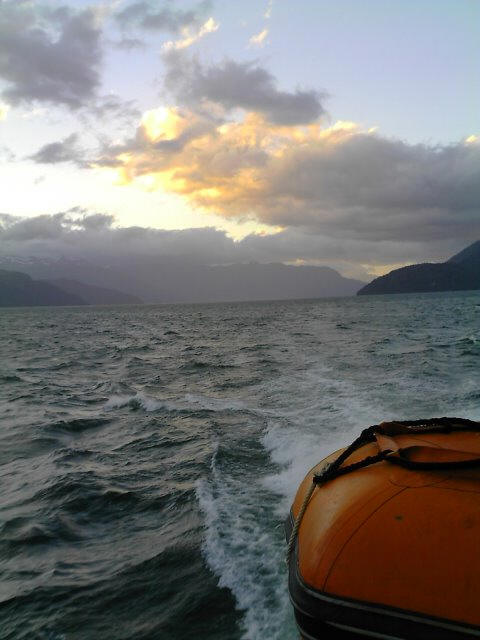
Glacier San Raphael Chile: Toward the end of our 13 hours on the
inter-island channels a spectacular sunset crept upon us. For nearly an hour
the skies all around us provided irresistible photo opportunities.
|



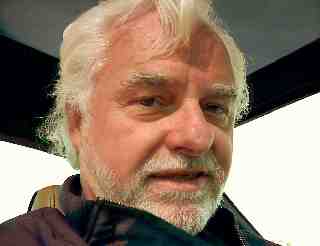 Reference photo:
author
Reference photo:
author