|
Postcards from:
Big Bear Lake USA
San Jose Costa Rica
Granada Nicaragua
Managua Nicaragua
San Salvador ElSalvador
Tegucigalpa Honduras
San Pedro Sula Honduras
Copan Ruinas Honduras
La Ceiba Honduras
Utila Island Honduras
La Ceiba Honduras
San Pedro Sula Honduras
Belmopan Belize
Belize City Belize
Orange Walk Belize
Lamanai
Mayan Ruins
Panama City Panama
Bogata Colombia
Cali Colombia
Popayan Colombia
Ipiales Colombia
Quito Ecuador
Galapagos Is. Ecuador
Puerto Ayoro Galapagos
Guayaquil Ecuador
Cuenca Ecuador
Tumbes Peru
Lima Peru
Nazca Peru
Cuzco Peru
Ollantaytambo Peru
Machu Picchu Peru
Machu Picchu Photos
Cuzco Again
Lake Titicaca Peru
Lake Titicaca Photos
Copacabana Bolivia
La Paz Bolivia
Arica Chile
Iquique Chile
Antofagasta Chile
Santiago Chile 1
Valparaiso Chile
Santiago Chile 2
Easter Island Chile
Santiago Chile 3
Chillan Chile
Valdivia Chile
Puerto Montt Chile
Castro Chile
Chaiten Chile
Coyhaique Chile
Puerto Chacabuco Chile
Coyhaique Chile
Punta Arenas Chile
Puerto Natales Chile
Punta Arenas Chile
Puerto Williams Chile
Ushuaia Argentina
Buenos Aires Argentina
Puerto Iguazu Argentina
Montevideo Uruguay
Colonia Uraguay
Caracas Venezuela
Ciudad Bolivar Venezuela
Puerto Ordaz Venezuela
Porlamar Venezuela
PortOSpain Trinidad
Georgetown Guyana
Corriverton Guyana
Paramaribo Suriname
Cayenne French Guiana
Pointa A Pitre Guadaloupe
Gosier Guadeloupe
Dominican Republic
Miami Florida
Back Home in California
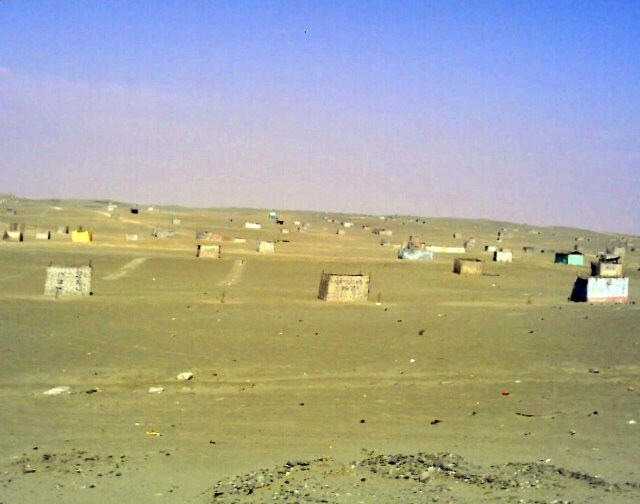
Nazca Peru: Somewhere between Lima and Nazca the bus passed this desert
region cluttered with little huts constructed from palm mats. It
reminded me of the Apple Valley homestead shacks 70-80 years ago in
California.
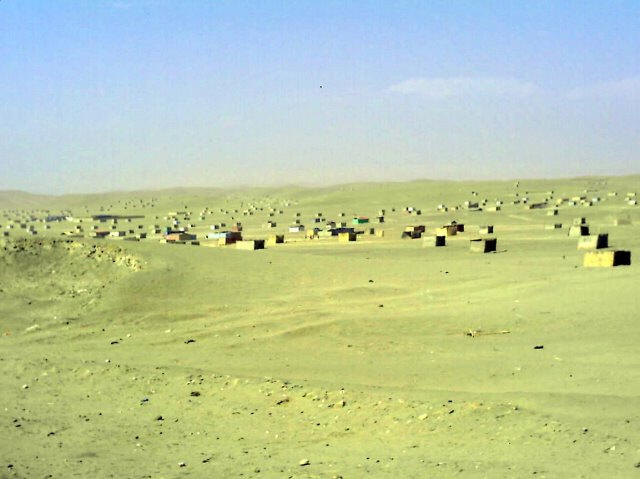
Nazca Peru: There must be a thousand of these little minimum size shacks
dotting the landscape along this section of the coast south of Lima.
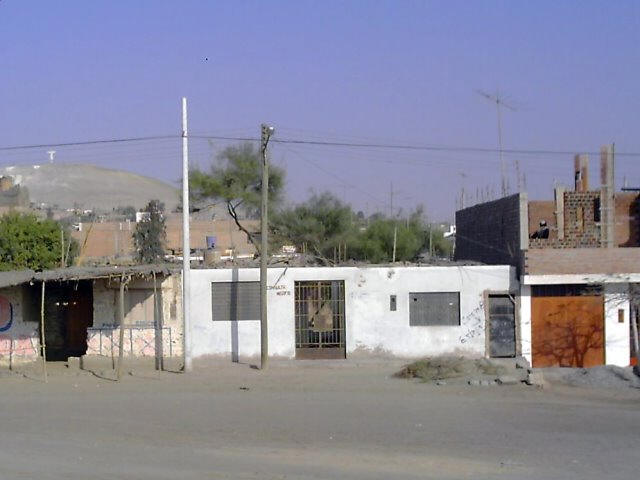
Nazca Peru: Not long after we left Lima we passed many commercial
clusters like this one. Most buildings have reinforcing bars sticking
out of the tops in preparation for a second floor. Note the copy of the
Christ statue in the upper left corner of my picture.
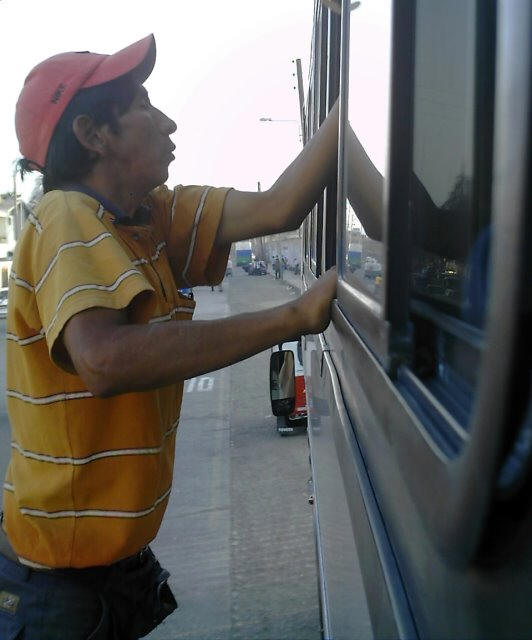
Nazca Peru: Every time our bus paused vendors would literally crawl all
over to make a sale. This guy is standing on his cart to reach our very
high windows.
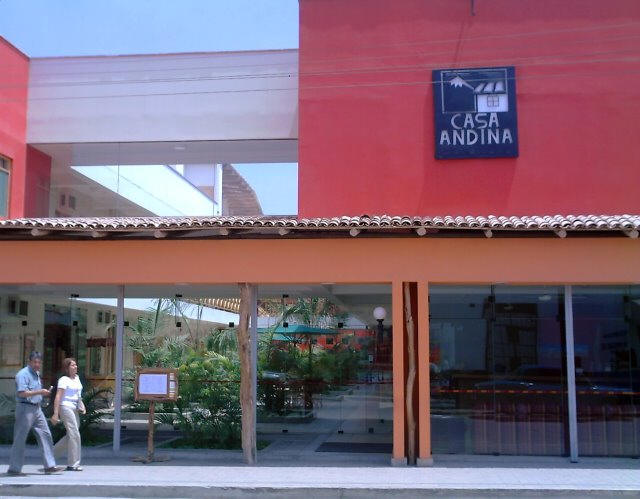
Nazca Peru: Entrance to the newest deluxe hotel in town: the Casa Ayada?
(Andina).
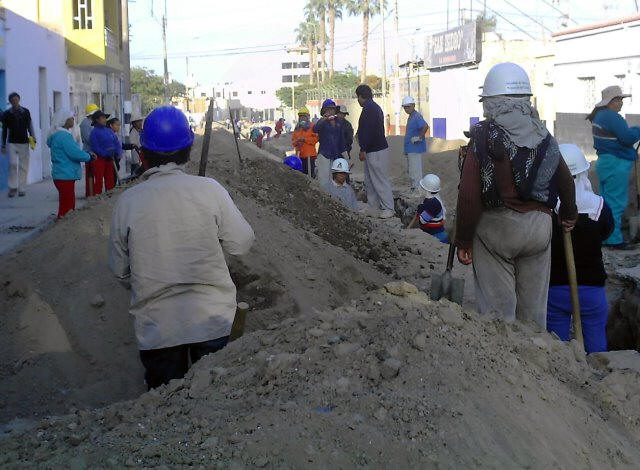
Nazca Peru: Major restoration work is underway to upgrade the Plaza de
Armas and surrounding infrastructure. Here a gang of mostly women work
on the sewer lines under the main street leading to the plaza.
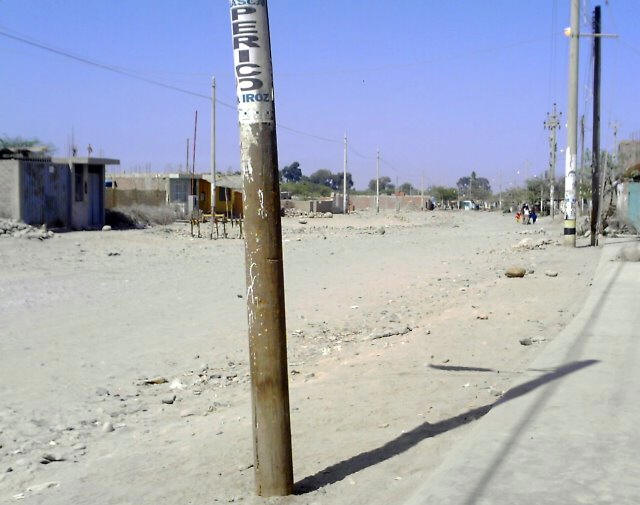
Nazca Peru: Typical housing development in the rural area to the east of
the city.
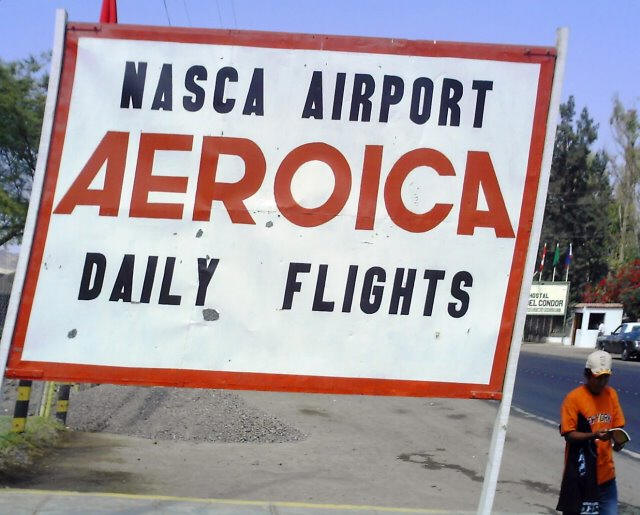
Nazca Lines Peru: Airline I used for my $40 over flight of the plain
containing all the lines.
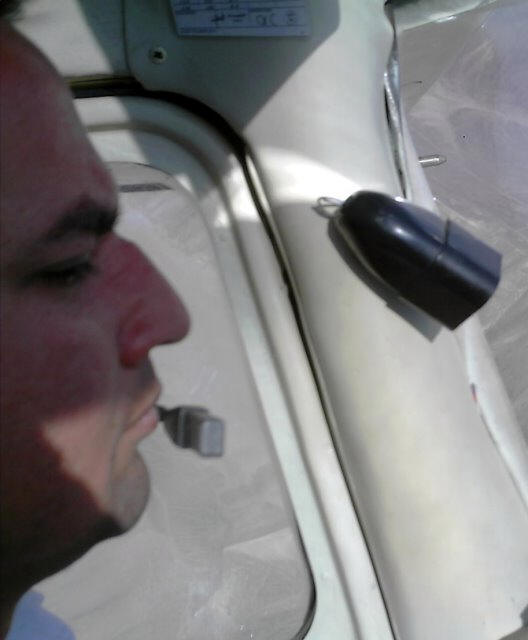
Nazca Lines Peru: Our pilot spent a lot of time flying the plane, but
managed to keep us informed in perfect English during our over flight of
the plain containing all the lines.
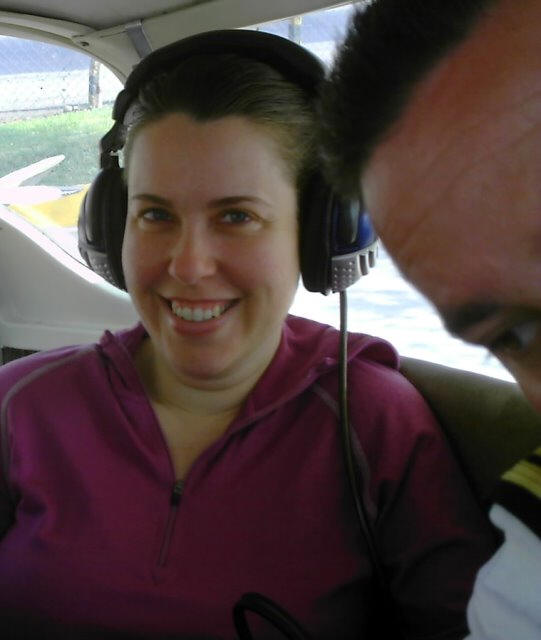
Nazca Lines Peru: Angle, one of the two other passengers in our plane.
It is a noisy cabin so the head phones make it possible to hear the
pilot's descriptions of things on the ground.
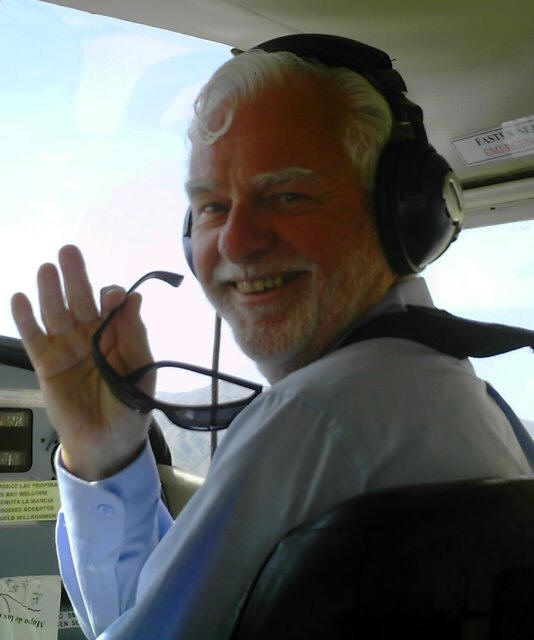
Nazca Lines Peru: Angle insisted on taking a picture of our co-pilot.
The pilot had put them in the back and gave me the co-pilot's seat up
front next to him. He never asked and I never mentioned that I'd had
enough flying experience many decades ago to "solo."

Nazca Lines Peru: Angle's husband Richard, the other passenger in our
little plane.
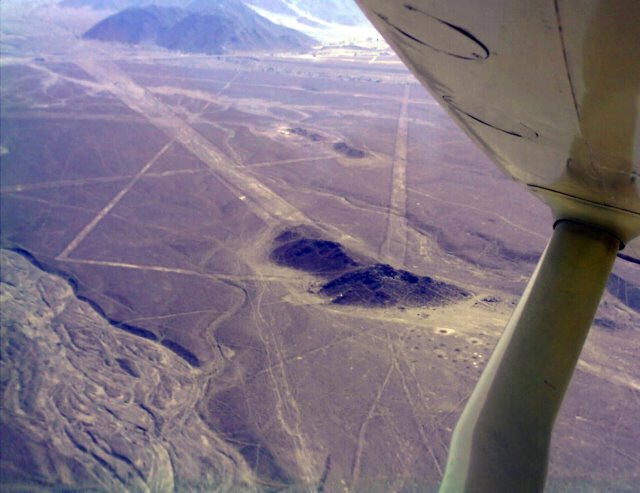
Nazca Lines Peru: There are a lot of lines down there; many have been
given names.
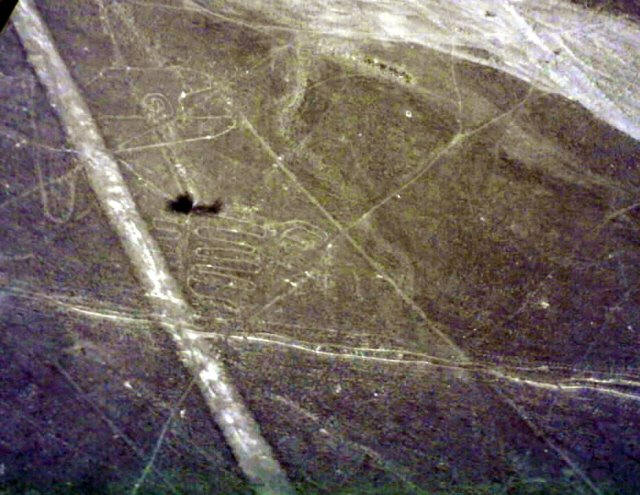
Nazca Lines Peru: We flew close to the surface part of the time. Here,
so close the shadow of our plane is visible on the ground.
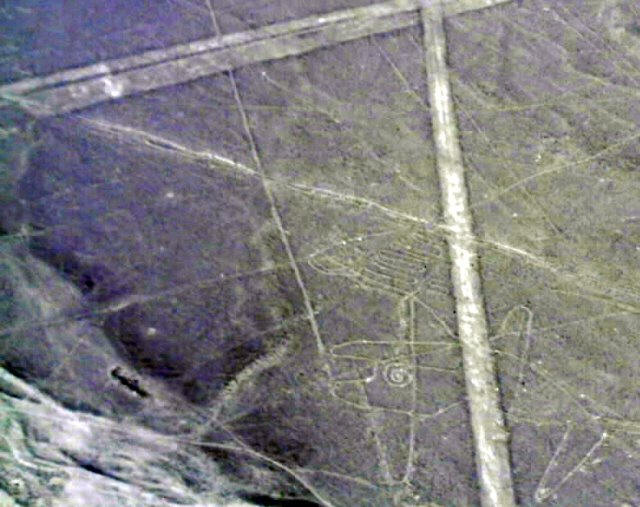
Nazca Lines Peru: That ancient pattern in the lower right could be a modern
aircraft, but...
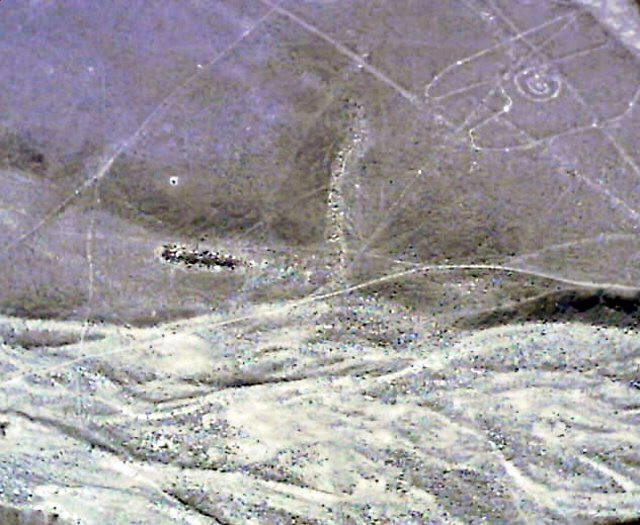
Nazca Lines Peru: There are a lot of lines down there. Hardly any area
is totally free of some markings.
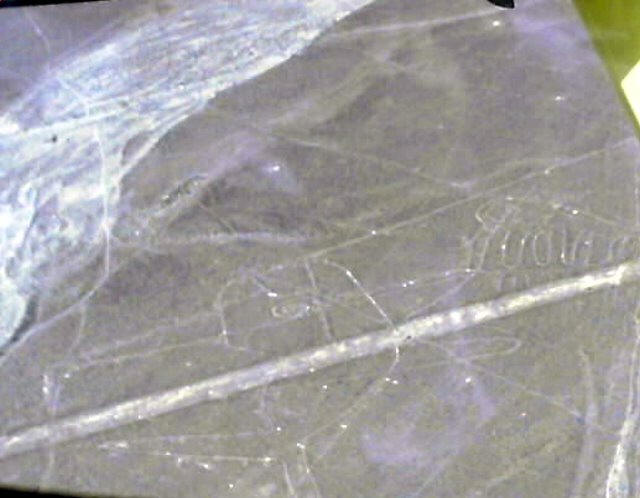
Nazca Lines Peru: Though the lines were made centuries ago, it is
possible to imagine modern themes for some of them.
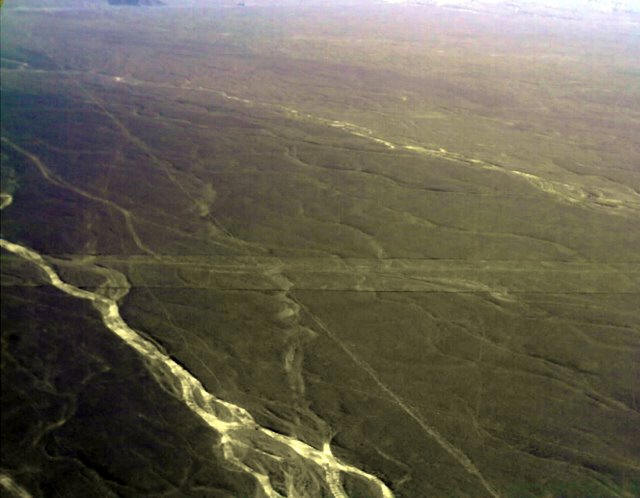
Nazca Lines Peru: Some of the long straight lines look like interstate
highways.
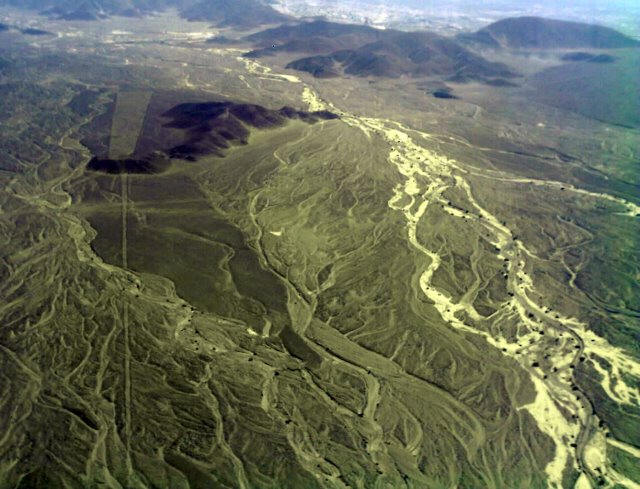
Nazca Lines Peru: Other of the lines seem to have been taken the natural
run off channels into account, even incorporating them into the designs.
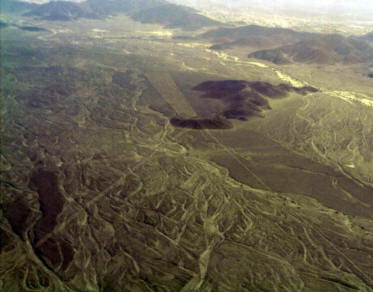
Nazca Lines Peru: Other of the lines seem to have been taken the natural
run off channels into account, even incorporating them into the designs.
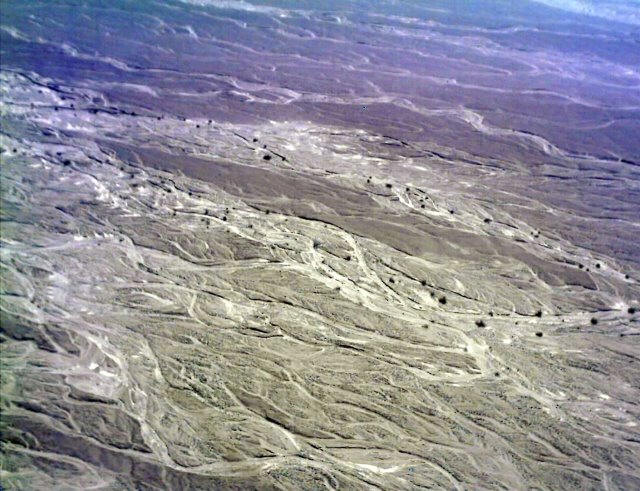
Nazca Lines Peru: There are a lot of lines down there; many have been
given names.
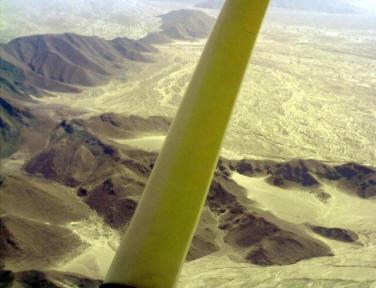
Nazca Lines Peru: There are a lot of lines down there; many have been
given names.
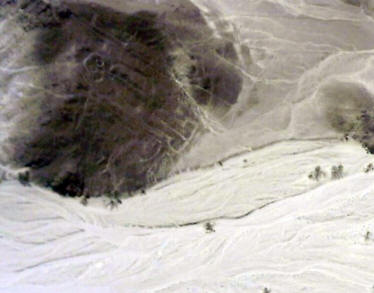
Nazca Lines Peru: There are a lot of lines down there; many have been
given names.
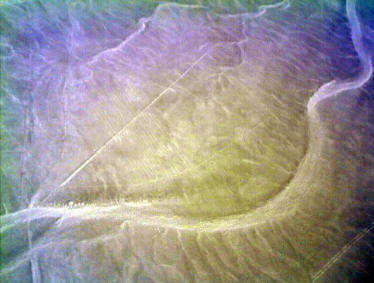
Nazca Lines Peru: There are a lot of lines down there; many have been
given names.
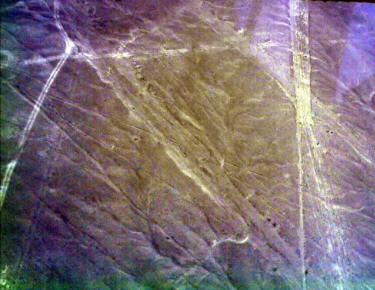
Nazca Lines Peru: There are a lot of lines down there; many have been
given names.
Nazca Lines Peru: There are a lot of lines down there; many have been
given names.
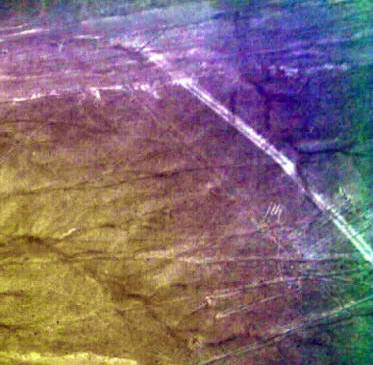
Nazca Lines Peru: There are a lot of lines down there; many have been
given names.
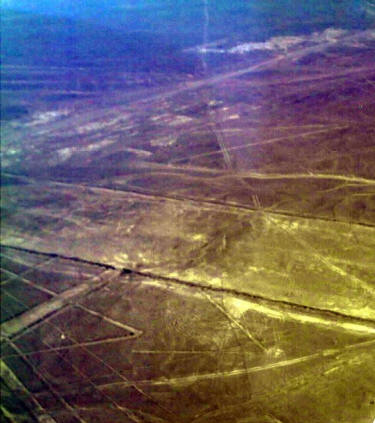
Nazca Lines Peru: There are a lot of lines down there; many have been
given names.
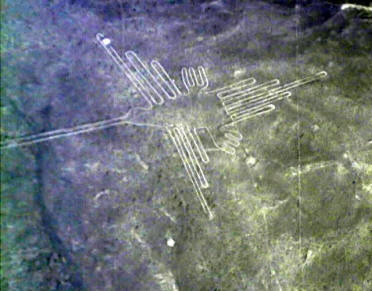
Nazca Lines Peru: The Hummingbird, an iconic shot widely seen in stories
about the Nazca Lines.
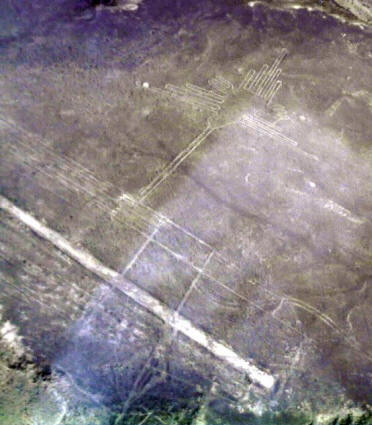
Nazca Lines Peru: There are a lot of lines down there; many have been
given names.
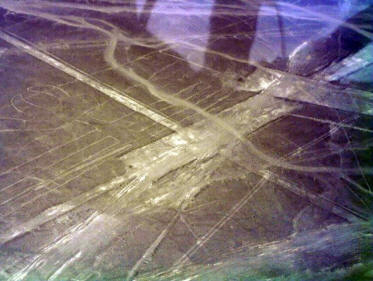
Nazca Lines Peru: There are a lot of lines down there; many have been
given names.
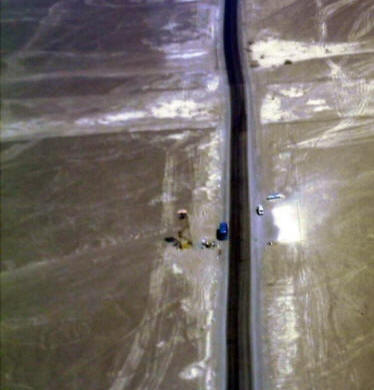
Nazca Lines Peru: There are a lot of lines down there; many have been
given names.
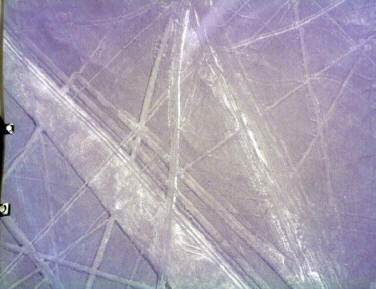
Nazca Lines Peru: There are a lot of lines down there; many have been given
names.
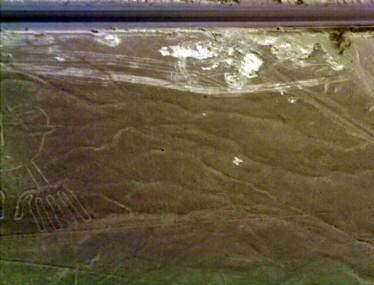
Nazca Lines Peru: There are a lot of lines down there; many have been
given names.
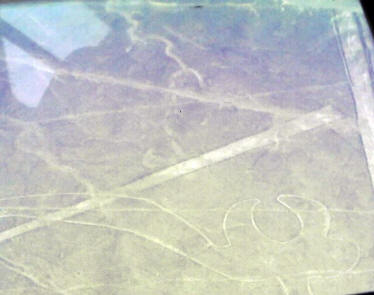
Nazca Lines Peru: There are a lot of lines down there; many have been
given names.
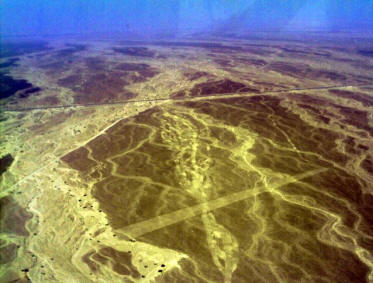
Nazca Lines Peru: There are a lot of lines down there; many have been
given names.
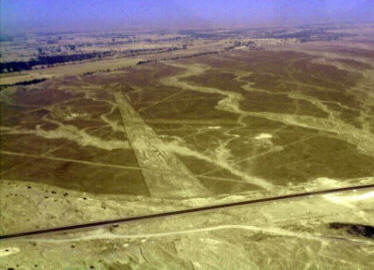
Nazca Lines Peru: There are a lot of lines down there; many have been
given names.

Nazca Lines Peru: There are a lot of lines down there; many have been
given names.
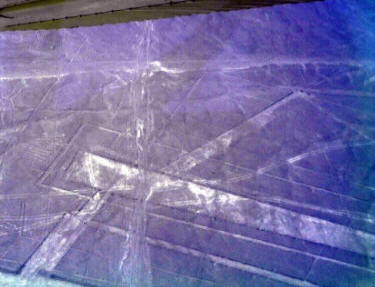
Nazca Lines Peru: There are a lot of lines down there; many have been given
names.
|
  3 November 2005 3 November 2005
Hello from the enigmatic lines of Nazca,
Not wanting to travel after dark I chose the 11:20AM Viva
Bus Line service out of Lima scheduled to get into Nazca
shortly after dusk. On the way out of Lima I spotted another replica of
the famous Rio de Janeiro
Cristo
Redentor statue on a distant hill; I'm wondering if the same
Brazilian artist is responsible for all the copies. Later about halfway
to Nazca we came upon a vast desert expanse covered with tiny homestead
shacks made from poles and reed mats that reminded me of the US
governments give-away program in Apple Valley California a half century
ago. To gain permanent title to the land each homesteader needed to
erect a dwelling containing a minimum of about 200 square feet, the
majority of the buildings consequently were that size, just as they were
on this Peruvian plain. Another passenger on the bus confirmed these
were indeed dwellings, though I could see little signs of habitation.
The bus arrived
in
Nazca
on schedule and stopped for departing passengers on the Pan-American
Highway at the edge of town. A short walk got me into the city center.
Several hotels are immediately visible and three locals recommended the
Hotel Nazca Lines. At $56 it is a good value and one of the three
"best hotels in town." The hotel offers free Internet access
and I filled some of my leisure hours sitting before the glowing screen.
This is a town that lives on tourism, though all of the
rambunctious teenage activity in the evenings gives a different
impression. While the central streets are paved, others are not and a
block or two off the main street clouds of dust gust so often the little
army of eager shoe shine boys are kept busy with their thirty cent
services. The central Plaza de Armas is being renovated and a
construction curtain surrounds the entire block. Curious people have cut
viewing holes in the cloth allowing the obscured work to be inspected.
It will be mostly one large concrete slab with numerous concrete
planters... underwhelming.
During my walks into the areas surrounding the developed
part of the town I found myself challenged by many nervous dogs, all of
which wanted to alert their owners to my passing. Along the graded dirt
roads I see rows of adobe structures and walls. The smells of cooking
fires laced with a strong hint of burning corn meal followed me along
the dusty road. Farmers worked their land and livestock stood idly in
the shade of trees within the adobe enclosures. Some 5 or 6 kilometers
east of the town in a desolate area I found the actual "best"
hotel in Nazca: the elegant
Hotel Cantayo. Located in a secluded area,
it is very private and very expensive with rooms rates starting at $125. Surrounded
by dusty farms and adobe it appears to have been built within the
ruins of an old monastery. The contrast between the squalor outside the
high walls and the opulent Spanish colonial splendor inside is striking.
Much of my time was spent trying to understand the options
for transportation up to Cuzco. There are no flights to anywhere...
except for the over flights to see the Nazca Lines themselves, of course.
All of the many bus services start their runs for any distant city in
the late afternoon or evening... not something I enjoy. In the end I
decided a 14 hour ride through the night over mountains would be a
better choice than a seven hour ride back to Lima with another hotel
stay there before catching a flight to Cuzco.
Naturally, the main reason anyone comes to Nazca is to see
the "Nazca Lines." At ground level not much is visible other
than large patches of the surface which seems to have been swept clean
of sand revealing the underlying contrast of a rocky surface. A few
kilometers north of town an observation tower has been erected from
which several of the more interesting artifacts are easily visible.
However, the only practical way to see the full scope of the ancient
efforts is to take a flight in one of the small planes. Several
companies offer half hour flights over the plain containing the strange
archaeological relics. Our tiny craft held three passengers and the
pilot. The $40 cost of my half hour over flight included transportation
to and from the airport and a welcome
Pisco Sour drink. That flight made
the whole trip to Nazca worthwhile. Most of the photos I took from the
air lacked adequate contrast to make out the existence of hundreds of
lines crisscrossing the plain below. Fortunately, the software I use to
process the camera images allows for enhancement and using that produced
startling results easily missed with the naked eye.
So, what do I think happened here? An initial impression
suggests the doodle pad of a bored executive or the pen cleaning sheet
used by a 1950's draftsman working in ink. Thousands of lines and
features, many "drawn" on top of others, stretch over the Peruvian
Pampa. Most are merely very long straight lines. Only a few dozen
elaborate representations of recognizable subjects can be seen in the
jumble. It occurred to me all this work might be the result of
prehistoric teenage graffiti artists, each trying to outdo the others.
One spiral design might be a representation of an actual engineering
solution to getting people down to the water level of
wells
in those early days. A spider, a hummingbird, a monkey, a lizard are
all obvious designs easily discernible, but the majority of the drawings
represent nothing obvious... just long straight lines intersecting one
another, apparently drawn at random. A good deal of serious analysis
and research
into the origin and
meanings
of the Nazca Lines has been conducted, in addition to numberless
speculations
by amateur archaeologists and screwballs. I'm glad I made the side trip
to this mysterious place; the ol' knee needed more time to heal before
tackling Machu Picchu anyway.
I finished
reading
Anton
Chekhov's short story,
The
Party. It is an intimate look into the lives
of the Russian aristocracy in the 1800's. The sensitive portrayals of
his characters and masterful development of a simple plot make it clear
why his work has gained classic stature. As I think about the effect reading
all these old classics has had on me I see a connection with traveling
widely. Travel broadens my understanding of our contemporary world and
societies; reading deepens my appreciations of the contributions made by
earlier eras and cultures. The combination is symbiotic.
Peace,
Fred L Bellomy
 Nazca Lines Peru: Rendition of the most
famous of the Nazca Lines - The Hummingbird. Art on the wall of the
Airline office lobby.
Nazca Lines Peru: Rendition of the most
famous of the Nazca Lines - The Hummingbird. Art on the wall of the
Airline office lobby.
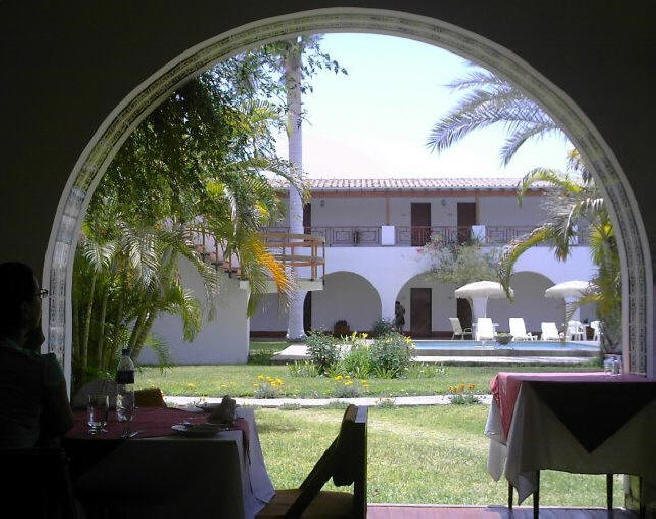
Nazca Peru: View of the pool and gardens at the $56 Nazca Lines Hotel where
I stayed two nights.
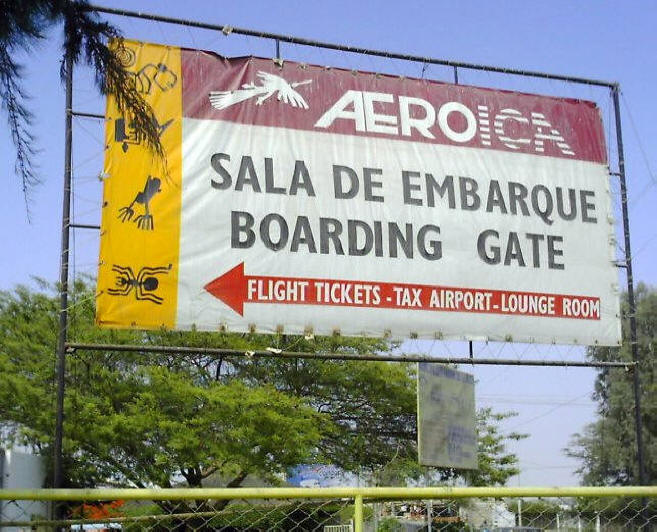
Nazca Lines Peru: Airline I used for my $40 over flight of the plain
containing all the lines.
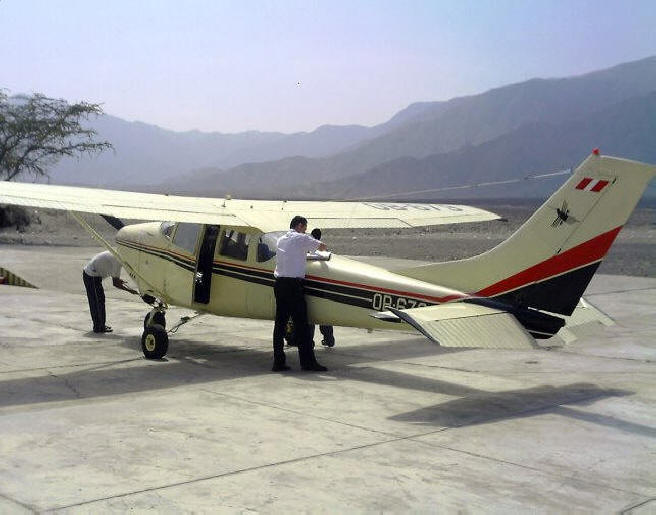
Nazca Lines Peru: The single engine aircraft we used for my $40 over
flight of the plain containing all the lines. This plane looks
suspiciously like the one I flew as a student pilot back in 1954...
presumably of more modern manufacture!
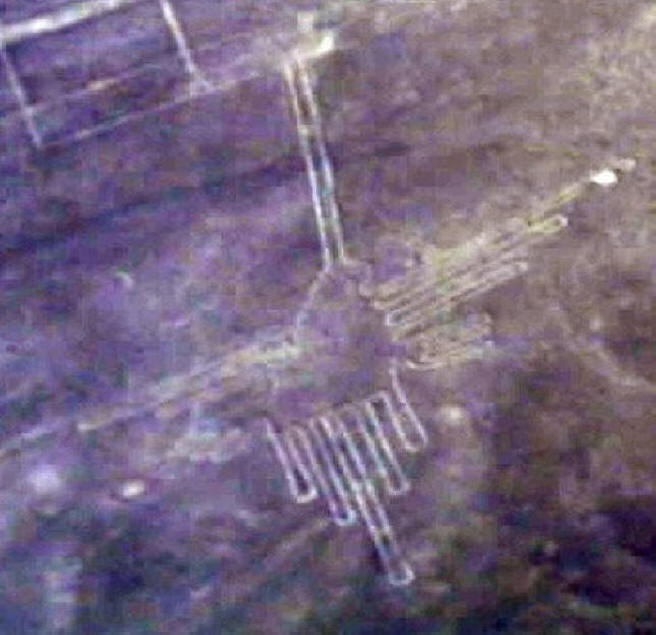
Nazca Lines Peru: People see a hummingbird in this pattern and it is
probably the best known pattern in the entire collection.
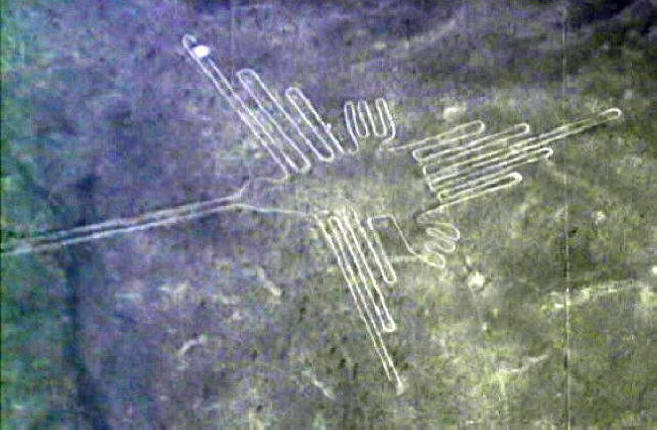
Nazca Lines Peru: The Hummingbird, an iconic shot widely seen in stories
about the Nazca Lines.
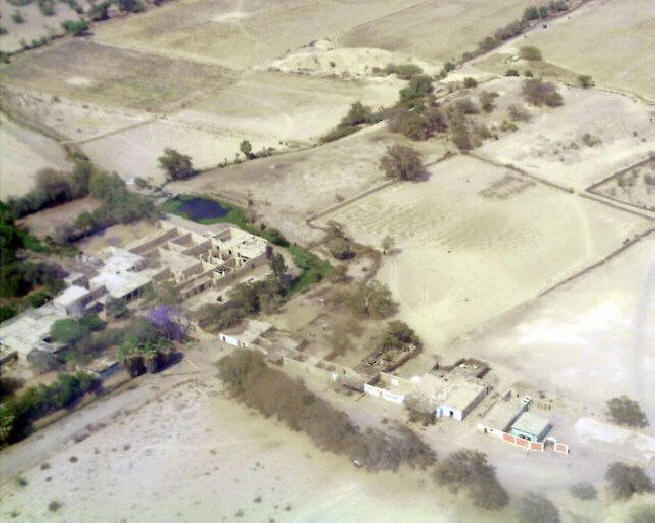
Nazca Lines Peru: Most of the plain is bare, but around the perimeter I
see indications of habitation.
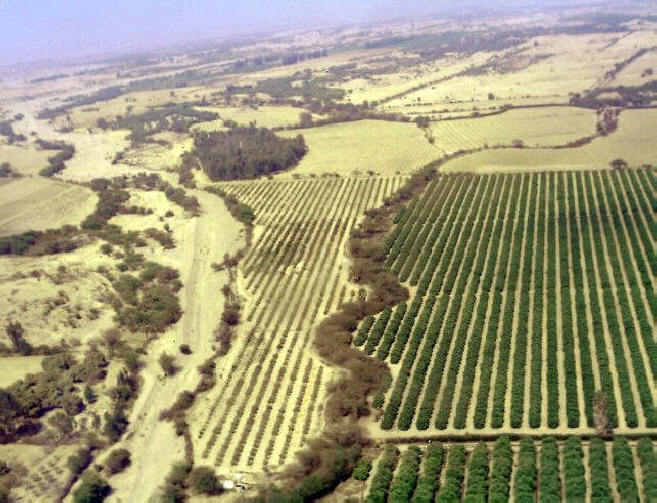
Nazca Lines Peru: Most of the plain is bare, but farming is obvious around the perimeter
in some places.
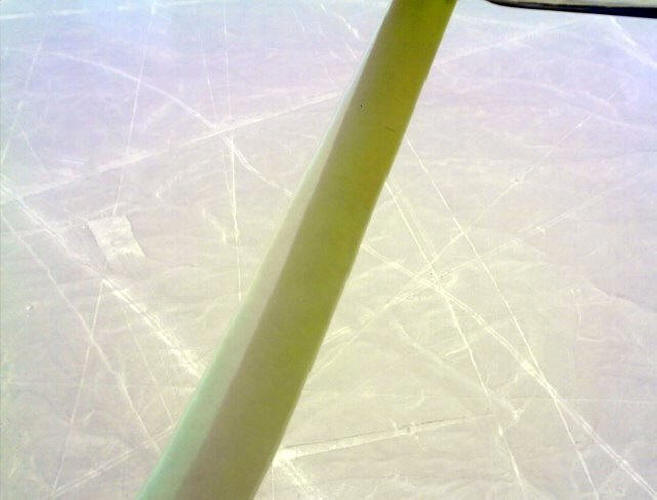
Nazca Lines Peru: There are a lot of lines down there; many have been
given names.
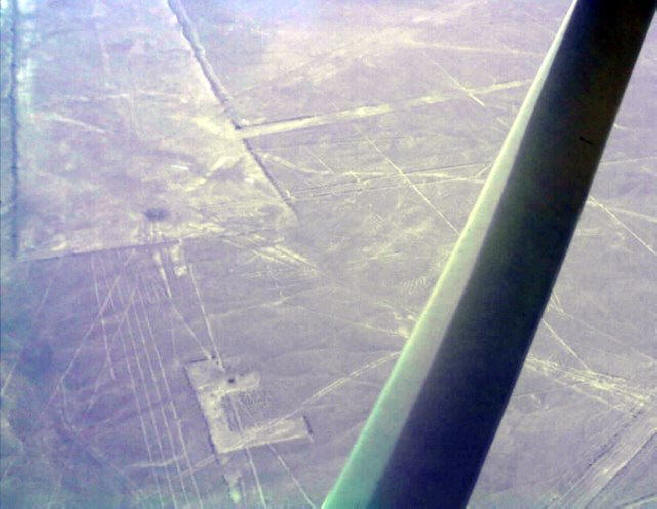
Nazca Lines Peru: There are a lot of lines down there; many have been
given names.
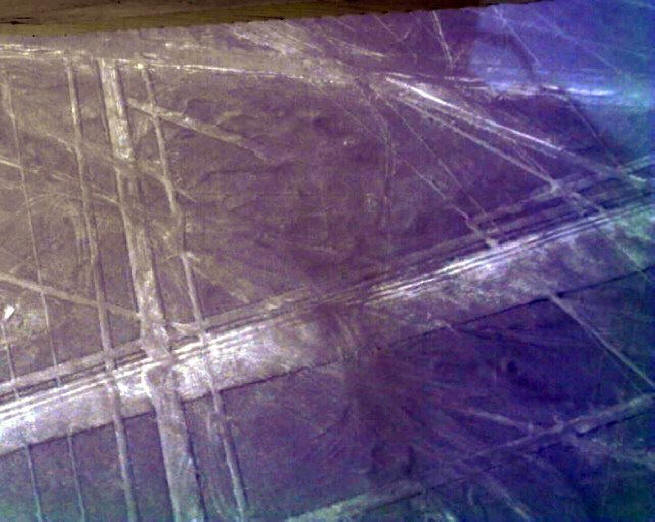
Nazca Lines Peru: There are a lot of lines down there; many have been
given names.
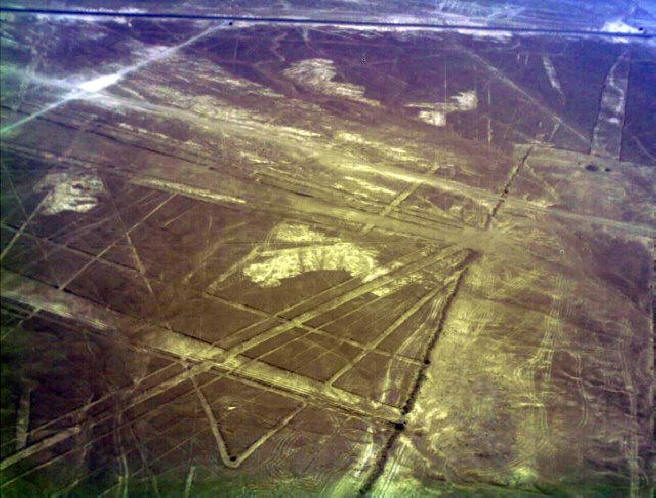
Nazca Lines Peru: There are a lot of lines down there; many have been
given names.
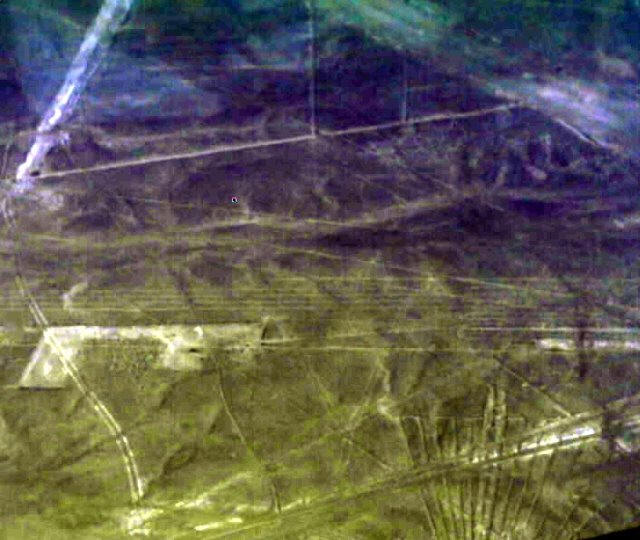
Nazca Lines Peru: There are a lot of lines down there; many have been
given names.
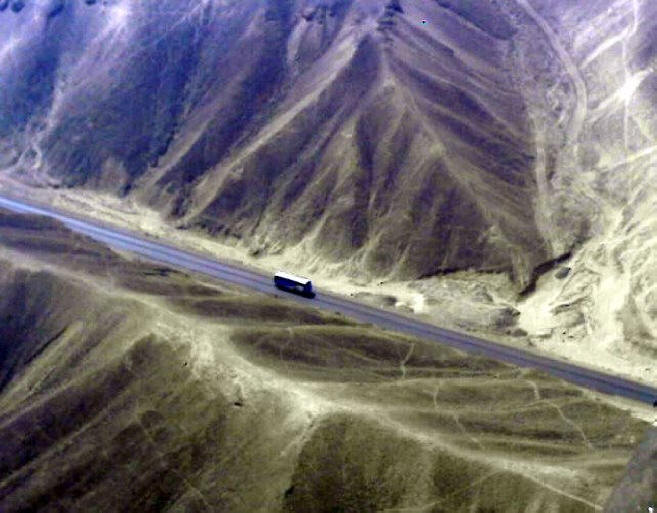
Nazca Lines Peru: There are a lot of lines down there; many have been
given names.
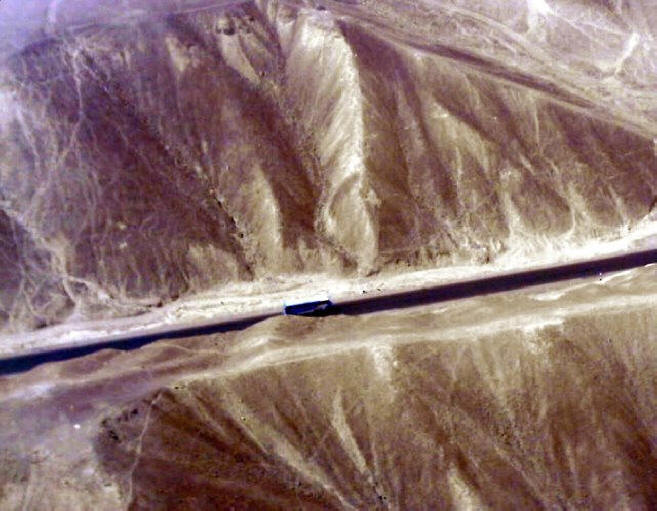
Nazca Lines Peru: There are a lot of lines down there; many have been
given names.
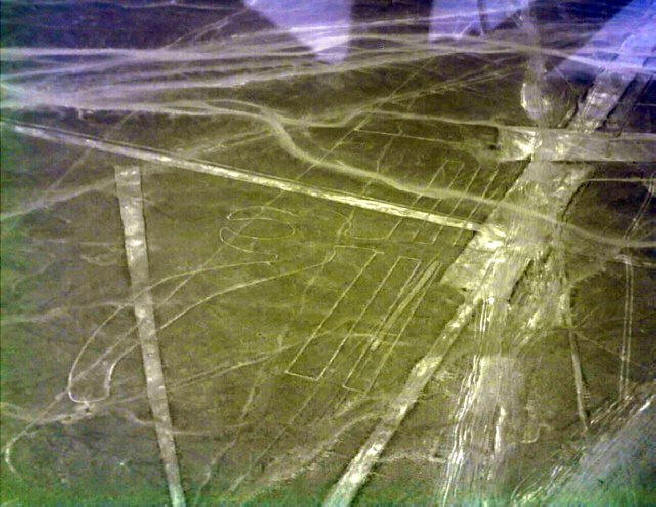
Nazca Lines Peru: There are a lot of lines down there; many have been
given names.
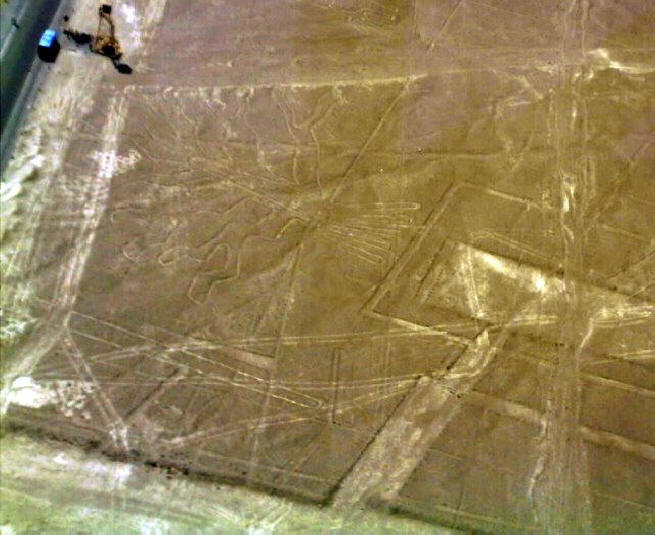
Nazca Lines Peru: There are a lot of lines down there; many have been
given names.
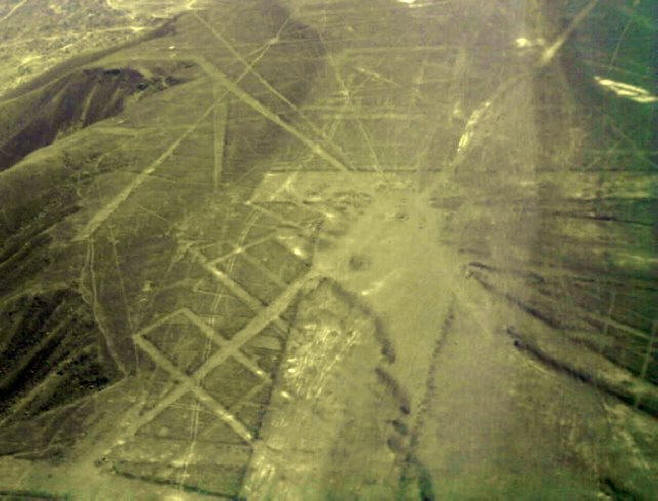
Nazca Lines Peru: There are a lot of lines down there; many have been
given names.
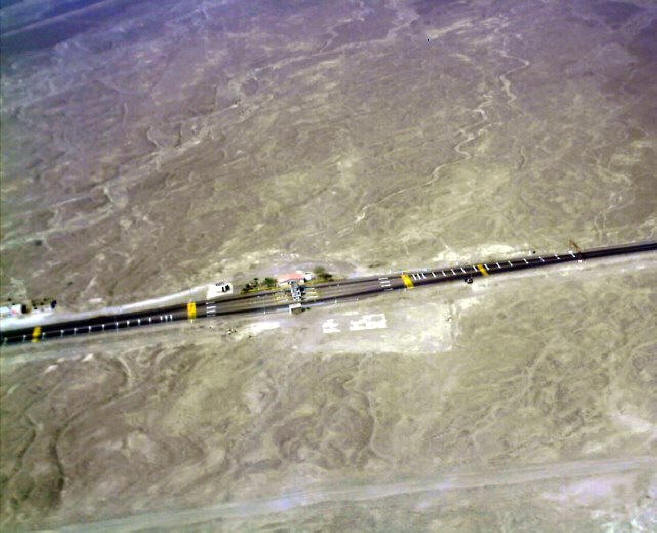
Nazca Lines Peru: Highway toll gate as seen from the Nazca over flight.
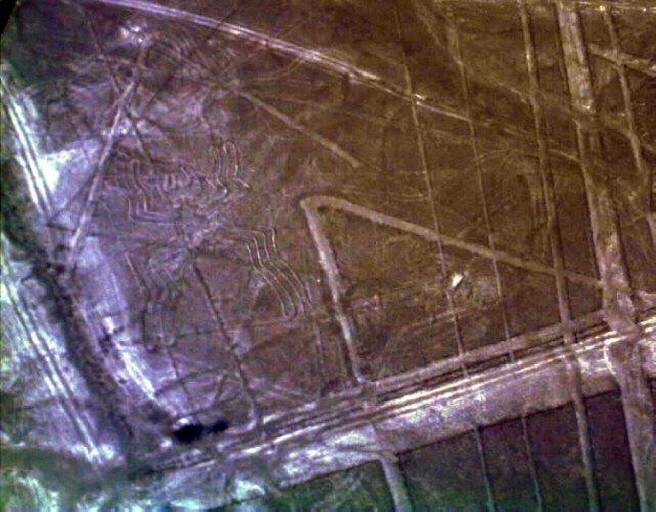
Nazca Lines Peru: There are a lot of lines down there; many have been
given names.
|
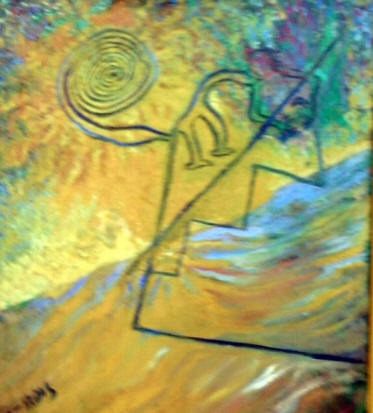
Nazca Lines Peru: Art on the wall of the Airline office lobby showing one of
the patterns found in the fields outside the city.
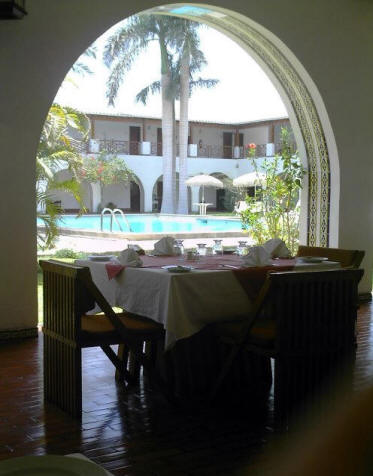
Nazca Peru: View of the pool and gardens at the $56 Nazca Lines Hotel where
I stayed two nights.
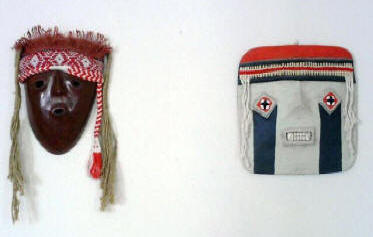
Nazca Peru: Some of the art hanging on the lobby walls in the $56 Hotel
Nazca Lines where I stayed.
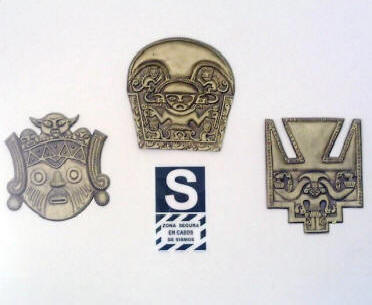
Nazca Peru: Some of the art hanging on the lobby walls in the $56 Hotel
Nazca Lines where I stayed. Notice the earthquake warning sign!
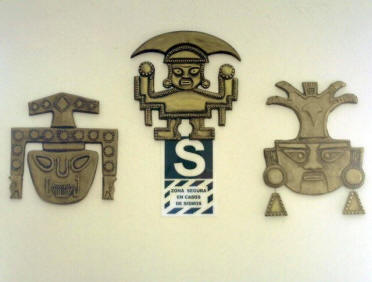
Nazca Peru: Some of the art hanging on the lobby walls in the $56 Hotel
Nazca Lines where I stayed. Notice the earthquake warning sign!
Nazca Peru: Some of the art hanging on the lobby walls in the $56 Hotel
Nazca Lines where I stayed.
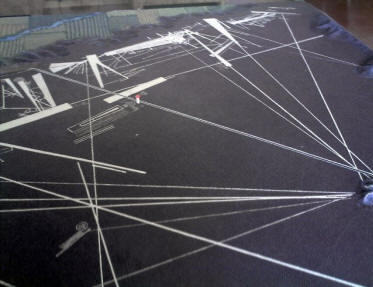
Nazca Peru: A portion of the model sitting in the lobby of my hotel showing
the archeological area containing the actual lines.
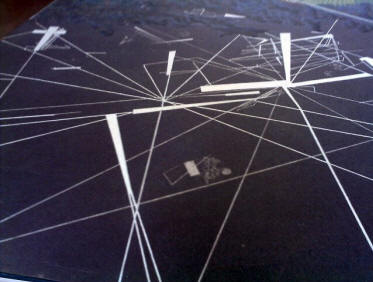
Nazca Peru: A portion of the model sitting in the lobby of my hotel showing
the archeological area containing the actual lines.
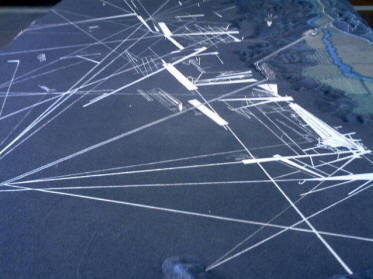
Nazca Peru: A portion of the model sitting in the lobby of my hotel showing
the archeological area containing the actual lines.
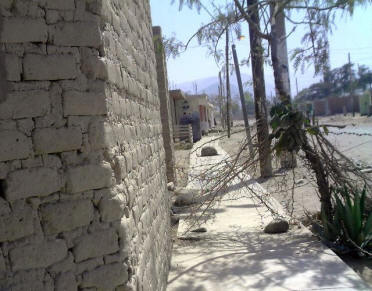
Nazca Peru: Several miles to the east of the city out in the country
everyone is responsible for their own sidewalks. Just beyond this photo the
sidewalks stop and several people in the transition area have erected
barriers to discourage people from walking on their private property.
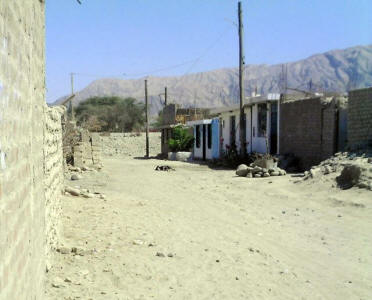
Nazca Peru: Typical housing development in the rural area to the east of the
city.
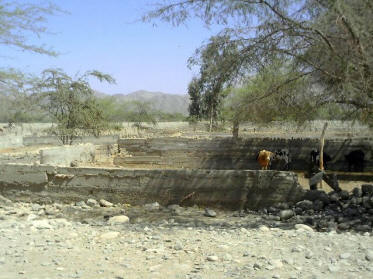
Nazca Peru: Typical farm in the rural area to the east of the city.
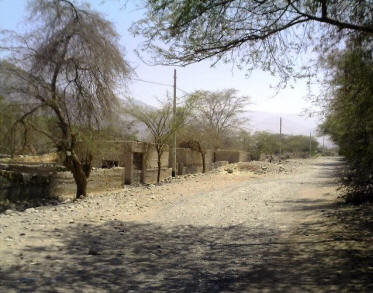
Nazca Peru: Typical farm in the rural area to the east of the city.
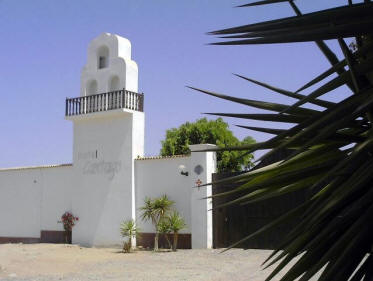
Nazca Peru: Entrance to the elegant
Hotel Cantayo several miles out in the
country; very private.
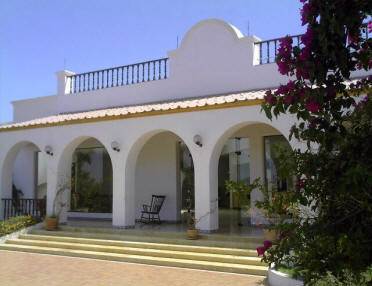
Nazca Peru: Entrance to the elegant Hotel Cantayo several miles out in the
country. This inside entrance is hidden to the outside.
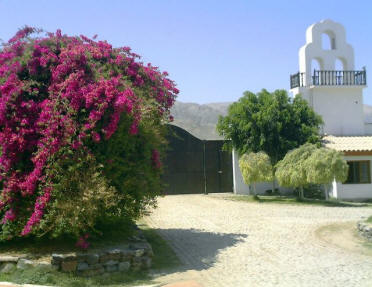
Nazca Peru: Entrance gate inside the elegant Hotel Cantayo grounds several
miles out in the country; very private.
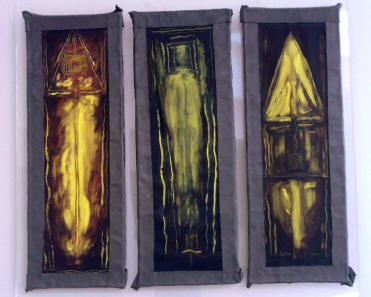
Nazca Peru: Some of the art hanging on the lobby walls in the elegant $99
Hotel Cantayo .
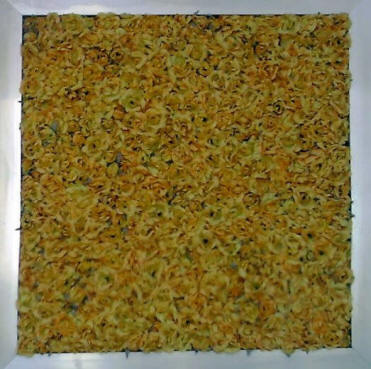
Nazca Peru: Some of the art hanging on the lobby walls in the elegant $99
Hotel Cantayo .
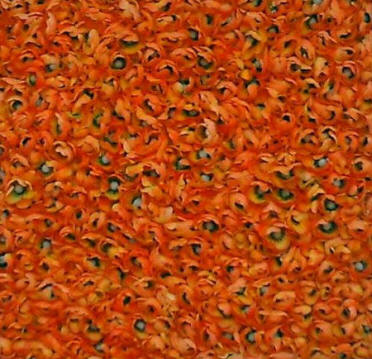
Nazca Peru: Some of the art hanging on the lobby walls in the elegant $99
Hotel Cantayo .
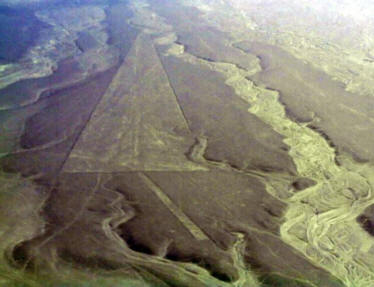
Nazca Lines Peru: More than one person has suggested this pattern looks like
an airport landing strip.
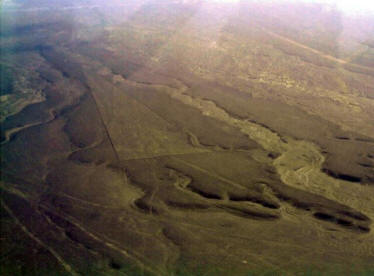
Nazca Lines Peru: There's that landing strip again.
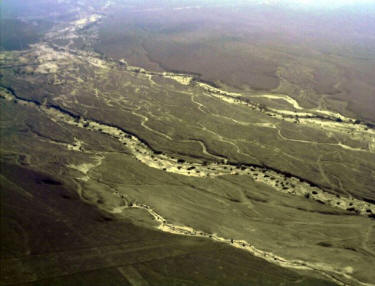
Nazca Lines Peru: The man made lines mingle with natural features of the
landscape like this river bed.
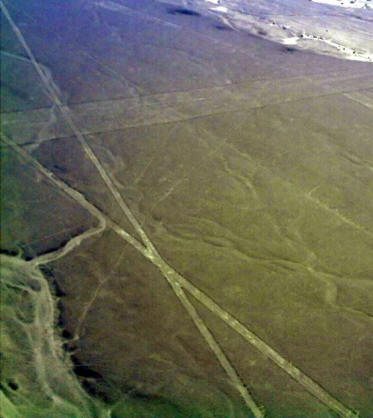
Nazca Lines Peru: There are a lot of lines down there; many have been given
names. Most of my photos of the lines have been enhanced for clarity like
this one.
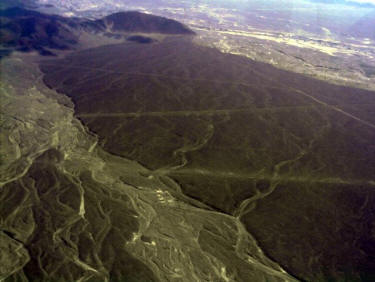
Nazca Lines Peru: Flooding rivers have partially obliterated some of the
lines created before the wet years.
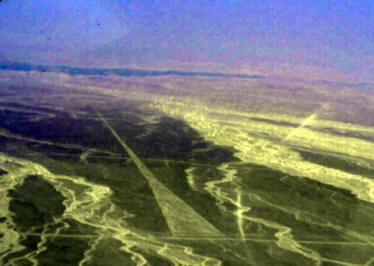
Nazca Lines Peru: This particular pattern has been suggested to be a
navigational guide for space visitors!
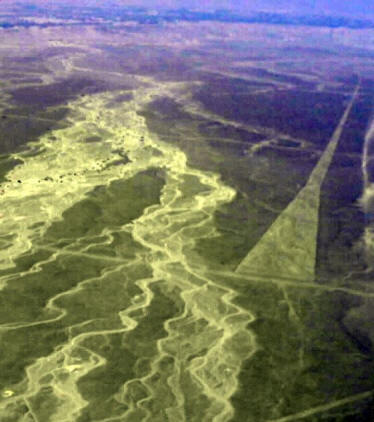
Nazca Lines Peru: There are a lot of lines down there; many have been given
names.
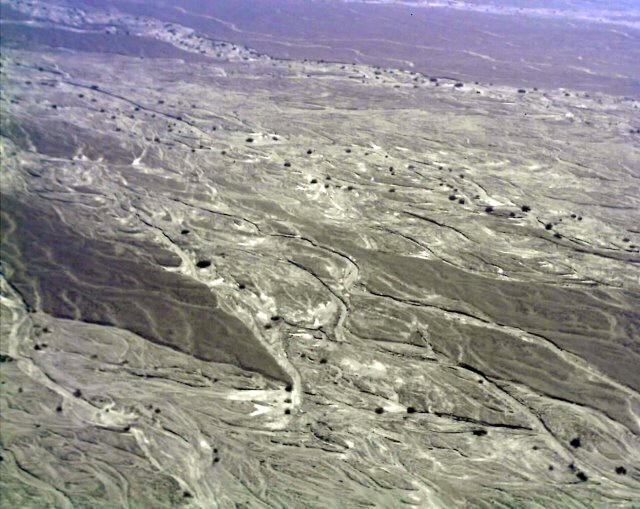
Nazca Lines Peru: There are a lot of lines down there; many have been given
names.
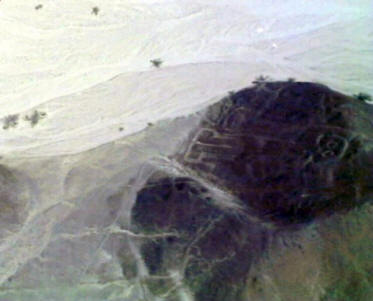
Nazca Lines Peru: There are a lot of lines down there; many have been given
names.
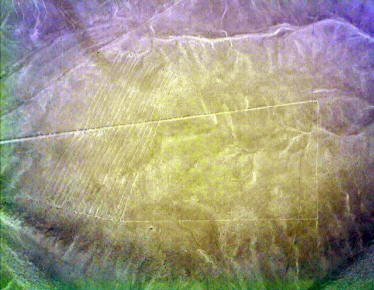
Nazca Lines Peru: There are a lot of lines down there; many have been given
names.
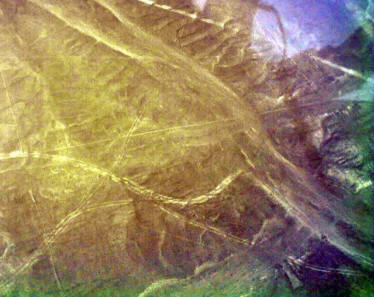
Nazca Lines Peru: There are a lot of lines down there; many have been given
names.
Nazca Lines Peru: There are a lot of lines down there; many have been given
names.
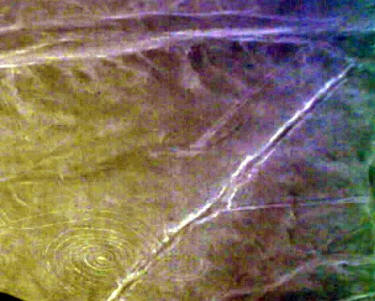
Nazca Lines Peru: There are a lot of lines down there; many have been given
names.
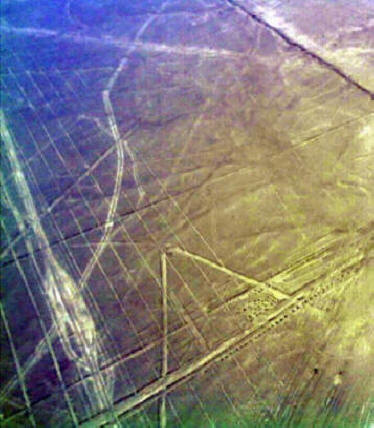
Nazca Lines Peru: There are a lot of lines down there; many have been given
names.
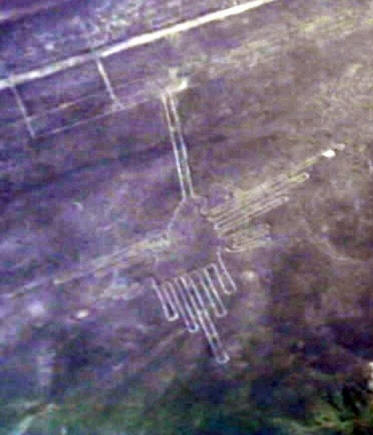
Nazca Lines Peru: People see a hummingbird in this pattern and it is
probably the best known pattern in the entire collection.
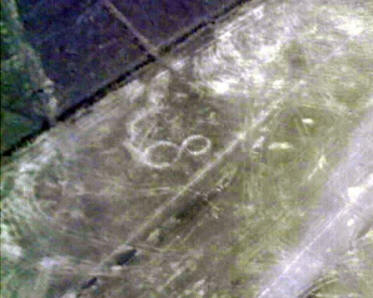
Nazca Lines Peru: There are a lot of lines down there; many have been given
names.
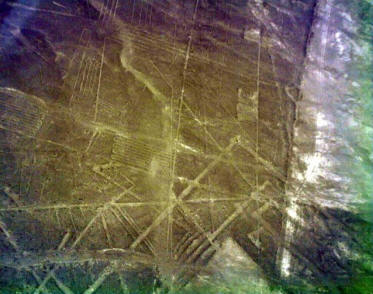
Nazca Lines Peru: There are a lot of lines down there; many have been given
names.
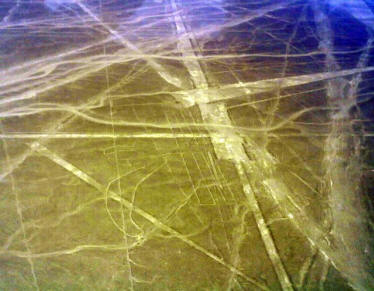
Nazca Lines Peru: There are a lot of lines down there; many have been given
names.
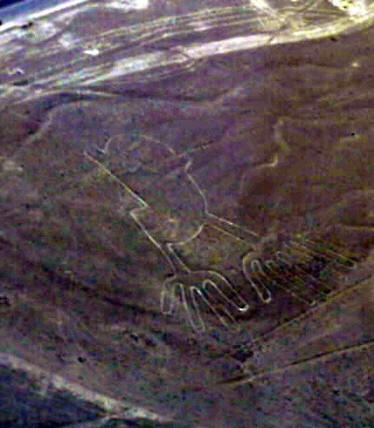
Nazca Lines Peru: There are a lot of lines down there; many have been given
names.
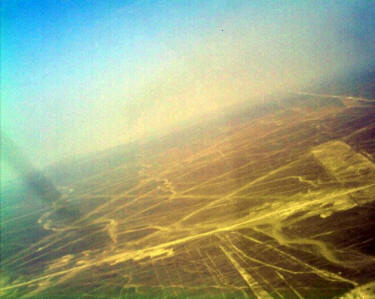
Nazca Lines Peru: There are a lot of lines down there; many have been given
names.
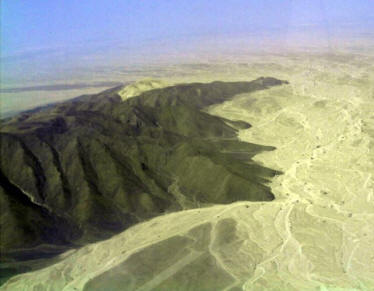
Nazca Lines Peru: There are a lot of lines down there; many have been given
names.
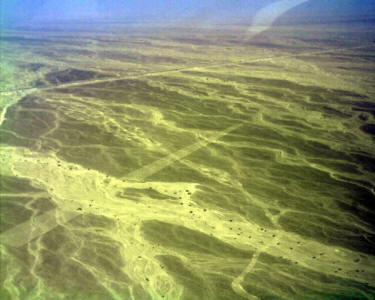
Nazca Lines Peru: There are a lot of lines down there; many have been given
names.
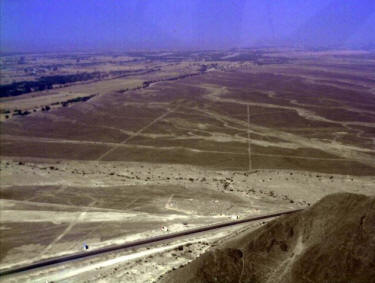
Nazca Lines Peru: There are a lot of lines down there; many have been given
names.
|